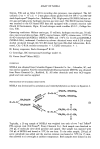
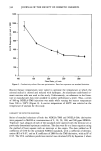
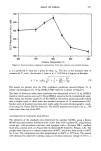
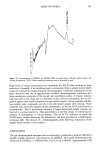
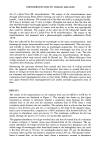
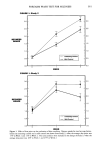
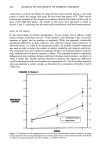
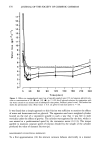
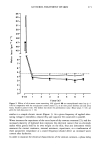
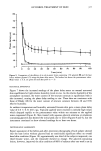
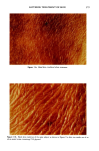
GLYCEROL TREATMENT OF SKIN 373 30- :t. 20- E .c_. .o_ -o 10- 0 - I I I I I I •.•4" -"' I 0 I 2 2__ ____ 4... ____..-•--"'- 6 7 8 24 '"-" '"' Time ( h ) Figure 5. Reduction in skin surface roughness up to 24 hours after treatment with a 15% glycerol oil-in- water lotion (I) and its base lotion without glycerol, (O) (p 0.02 at two hours and five hours, $tudent's paired t-test). The broken line describes changes in the roughness of untreated skin sites. Mean values -+ S.E. are given for each data point (n = 8). PHOTOGRAPHIC ASSESSMENT OF SKIN CONDITION Visual assessment of skin condition is one of the most important parameters by which the consumer assesses the efficacy of a skin care preparation. Studies using experienced observers have been frequently reported (17). In this work macrophotographs (magnification 1:1) of the back of the hand were taken from 15 subjects before and after each treatment period, using Kodak Ektachrome 160 colour reversal film. An Olympus OM1 camera was fitted with a 50-mm macrolens and a 36-mm extension tube and mounted vertically on a copying stand. Lighting was standardised using two opposed 100 W reflector lamps set at an angle of approximately 30 ø to the surface of the skin. The hand was placed in a plaster mould which was clamped to the base of the stand so that the illumination and camera position remained constant relative to the area of skin being photographed. Simultaneous examination of the photographs taken before and after treatment for each subject was made by a team of experienced observers. The difference in overall skin condition was assessed using a better/worse/no difference scoring system. Parameters considered included the depth and frequency of the lines, degree of dryness or flakiness,

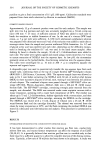
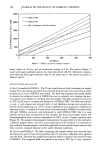
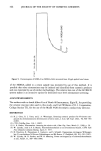
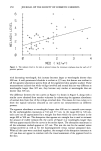
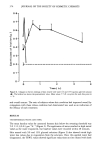
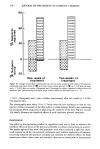
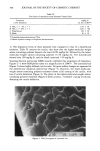
374 JOURNAL OF THE SOCIETY OF COSMETIC CHEMISTS 0'8-- 0'7-- 0'6-- •' 0-5- o o "- 0.4- o ß •- o.3- o o 0-2- • i I I I I o I 2 3 4 Time ( h ) Figure 6. Changes in friction readings of skin treated with water (O) and 15% aqueous glycerol solution (I•). The broken line shows the pretreatment value. Mean values - S.E. are given for each data point (n = 5). and overall texture. The ratio of subjects whose skin condition had improved overall by comparison with those whose condition had deteriorated was used as an indication of the efficacy of each treatment. RESULTS TRANSEPIDERMAL WATER LOSS (TEWL) The mean baseline value for untreated forearm skin below the sweating threshold was 5.0 -+ 0.3 (S.E.) gm-2h - • (Figure 2). The application of water resulted in high initial values as the water evaporated, but baseline values were recorded within 20 minutes. Skin treated with 5% and 15% glycerol solutions (Figure 2) also showed initial high water loss values due to evaporation from the solutions. Once this applied water had disappeared, the TEWL values showed significant reductions on sites treated with both
Purchased for the exclusive use of nofirst nolast (unknown)
From: SCC Media Library & Resource Center (library.scconline.org)