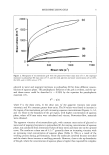
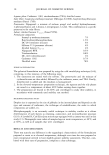
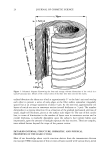
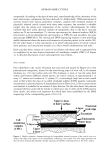
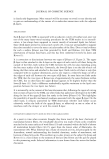
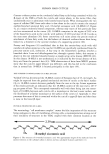
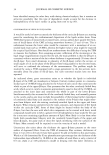
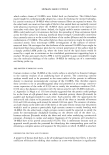
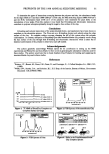
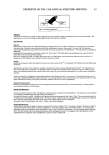
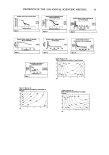
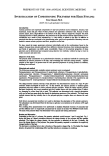
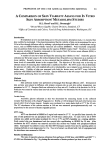
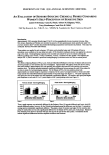
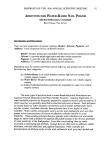
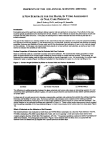
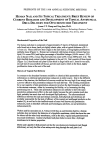
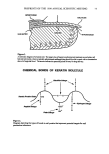
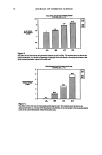
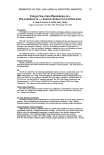
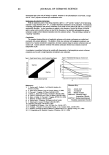
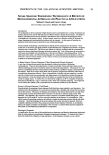
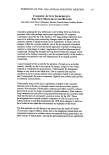
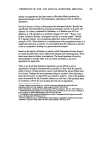
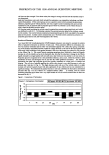
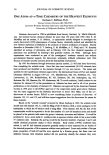
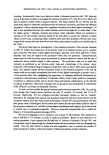
PREPRINTS OF THE 1998 ANNUAL SCIENTIFIC MEETING 75 • '?////• NAIL MATHIX EPONYCHIUM NAIL PLATE HYPONYCHIUM Figure 1. A schematic diagram of a human nail. The target sites of topical onychomycosis treatment are nail plate, nail bed and nail matrix. where a topically administered antifungal chug should be able to reach with a concenlrafion above its fungicidal level. The arrows indicate the potential points of end, for drag delivery. CHEMICAL BONDS OF KERATIN MOLECULE I Disulfide linkage I $ $ • • Hydrogen linkage Peptide iin!•ge CO0' N -, I Polar linkage Figure 2. Diagram depicting the types of bonds in nail protein that represent potential targets for nail penetration enhancers.

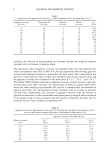
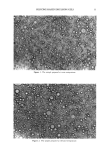
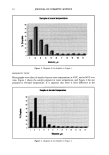
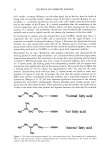
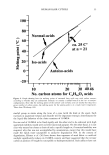
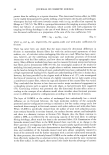
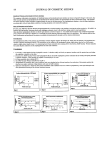
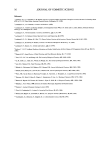
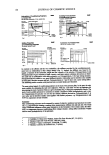
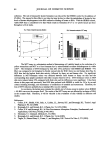
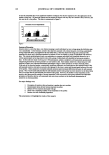
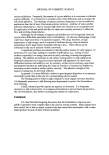
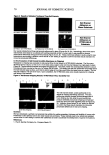
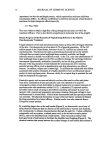
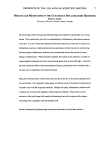
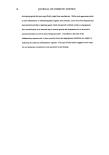
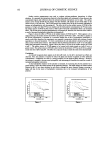
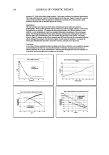
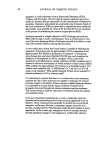
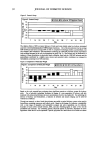
76 JOURNAL OF COSMETIC SCIENCE % OF INm•. N•. WEI•11' Figure 3. NAIL SWELUNG IN ITRA FORMULATION9 (4• HRS, 32C. n- 3 ) 3.18 STO 1.5 • • AVG 1.5 The effect of NAC end urei as nnil penetration enhencer on nail swelling. The humbert nbove the bars are the enhancement factor, i.e., the ratio of percentage weight gain in the nail sample in the testing formulation to that in the control formulation withont NAC end/or urea. ITRACONAZOLE PARTITION!NO iNTO NAIL (48 HRS. 3 C, n- 3 ! 8 1=3 STD •3.8 •VO 48.9 • ,.o ,, ß ß 8 (rag g) 3 I A E3 C• Figure 4. The effect of NAC end urea on in•.onamle paffitionin• into nail. The numbers above the bets are the enhancement lictor, i.e., the ratio of the itraconazole concentration in the nail sample in the testing formulation to that in the control formulation without NAC and/or urea.
Purchased for the exclusive use of nofirst nolast (unknown)
From: SCC Media Library & Resource Center (library.scconline.org)