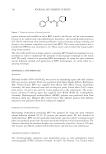
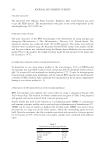
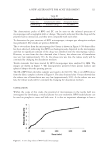
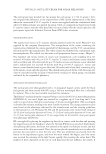
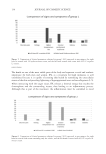
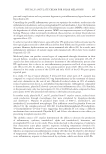
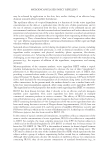
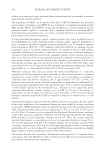
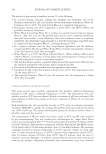
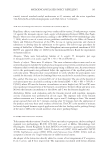
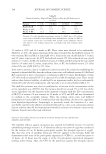
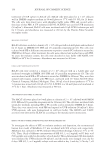
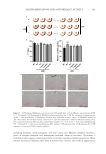
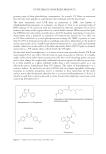
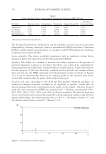
115 A New Alternative for Acne Treatment major concurrent events associated with the development of acne. If sebum interferes with the process of follicular keratinisation in the pilosebaceous unit, pore blockage may occur, contributing to lesion formation and acne (1,3,4). Acne can cause social and psychological problems as well as physical problems, especially during adolescence (5,6). Topical treatments are widely used for mild to moderate acne (7). In conventional dosage forms (i.e., lotion, cream, gel, solution, and emollient), topical drugs contain high amounts of active ingredients due to their short-term efficacy this is a reason for dose-related side effects. The most common side effects are dryness and irritation of the skin, eyes, mouth, lips, and nose. Other side effects include nosebleeds, achiness, itching, diminished night vision, sun sensitivity, and changes in triglyceride levels and liver function (2,8). Novel drug delivery systems present many advantages over conventional methods— such as reducing the dosage, toxicity, and side effects—along with protecting the active molecule (9,10). There are different advanced strategies—such as liposomes, niosomes, aspasomes, microsponges, microemulsions, hydrogels, and solid lipid nanoparticles—to enhance the topical administration of antiacne agents (11,12). Microsponges are one of the modern drug carrier systems that are widely used topically in pharmaceutical and cosmetic industries. They are polymeric-based microspheres with porous surfaces. Their sizes vary between 5 and 300 µm. A 25 µm microsponge has around 25,000 pores. Surface pores allow the exchange of materials from the external media, while not allowing bacteria to penetrate due to small pore size. This feature keeps them from bacterial contamination. They are biologically inert systems with a good stability of pH 1–11 and temperatures of up to 130 °C. The particles stay on the skin surface due to their large size. While they release the drug, they also absorb skin secretions (13–17). Benzoyl peroxide (BPO), an oxidizing agent, consists of two benzoyl groups linked by a peroxide group (19,20). Stereochemistry of BPO is seen in Figure 2. It is soluble in Figure 1. Normal sebaceous follicle (left) and comedo (right). Reproduced with permission from reference 18. Copyright 2007 Wiley.

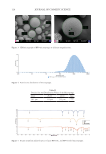
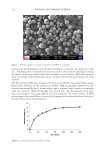
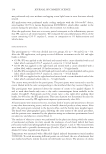
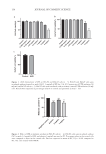
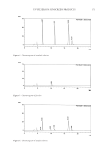
116 JOURNAL OF COSMETIC SCIENCE organic solvents and insoluble in water. BPO is used as an effective tool for acne treatment because of its antibacterial, anti-inflammatory, keratolytic, and wound-healing properties (19). On the other hand, skin irritation problems—such as burning, itching, crusting, and dryness—are common complaints associated with BPO. This causes some patients not to benefit from BPO for acne treatment (1,21). These claims can be reduced by using modern drug release systems. The aim of this study was to design a plaster containing BPO-loaded microsponges for acne treatment in order to understand the potential of microsponge technology in the textile field. The study consisted of preparing BPO microsponges by using the quasi emulsion solvent diffusion method and application of BPO microsponges on cotton fabric by a spraying technique. MATERIALS AND METHODS MATERIALS Polyvinyl alcohol (9,000–10,000 M w ) was used as an emulsifying agent, and ethyl cellulose (EC) was used as a polymer. Both were purchased from Sigma (Sigma-Aldrich, Burlington, MA, United States). BPO was supplied from Merck (The Merck Group, Darmstadt, Germany). All other chemicals were used at analytical grade. Cotton fabric (100% cotton, plain weave, 115 g/m2) was used for textile application in the experiments. The acrylic- based commercial linking agent was supplied from BASF (BASF SE, Ludwigshafen, Germany). Hydroxypropyl methylcellulose (HPMC) polymer was purchased from Dow Chemical (Dow Inc., Midland, MI, United States). The adhesive plasters with different properties were purchased from local commercial suppliers. PREPARATION OF MICROSPONGES Microsponge formulation–containing BPO was prepared by using the quasi emulsion solvent diffusion method (22,23). To prepare the internal phase, EC was dissolved in dichloromethane. BPO was then gradually added under agitation, and the resulting internal phase was gradually poured into the polyvinyl alcohol solution in water (external phase). The solution containing the emulsion droplets was continuously stirred for 3 hours at 500 rpm. The mixture was filtered, washed with distilled water, and dried at room temperature. CHROMATOGRAPHIC CONDITIONS The chromatographic conditions were determined using an ultra performance liquid chromatography (UPLC) (Thermo Scientific Accela™, San Ramon, CA, United States) Figure 2. Chemical structure of benzoyl peroxide.
Purchased for the exclusive use of nofirst nolast (unknown)
From: SCC Media Library & Resource Center (library.scconline.org)