298 JOURNAL OF COSMETIC SCIENCE meet the needs of skin-color management in global markets, we find it is essential to have adequate understanding of ideal complexion perceived by various cultures or ethnicities. Studies on skin complexion relevant to health and beauty industries have been extensive. Considered a major visual cue of overall health, complexion has been thoroughly studied in traditional Chinese medicine as one of the four primary diagnostic means, which has triggered active research in last decade on modern, computerized measurement technology to assist with disease diagnosis (3,17–22). The properties of complexion measured in those studies were mainly color related. In the beauty and skincare industry there are a variety of techniques for skin-complexion assessment ranging from clinical grading to image analysis, and the evaluation of skin-color properties is the primary focus (4,23–27). There were also studies that considered skin properties other than color, such as skin transparency, moisture, surface texture, and evenness of skin tone, to be important factors contributing to the human perception of complexion in a beauty/skincare context (28,29). Intrigued by what we noted in literature, we believed that a systematic study on the perception of ideal complexion was needed. By comparing panel perception results against objectively measured skin properties, we aimed to reveal what consumers were truly paying attention to when perceiving someone’s complexion and to unveil the critical facial skin features that helped drive such preference decisions. The current study was inspired by previous research during which we investigated skin translucency in a group of Chinese women. Being a subjective, consumer-perceivable skin property, translucency has been appreciated very much in Asian societies. We concluded from our prior study that skin translucency possessed combined properties of multiple skin attributes including color, texture, color uniformity, and subsurface light reflection. An excellent correlation was shown between the panel-perceived and the model-predicted levels of skin translucency (30). These results provoked us to investigate whether another consumer-perceived skin property, namely ideal complexion, could be characterized and modeled following a similar mathematical approach. This study is our first attempt to characterize and model ideal complexion by panel perception and objective measurement of skin attributes in a Chinese population. Results of our comparison studies on ideal complexion of four ethnic populations have recently been published (31). MATERIALS AND METHODS SUBJECTS, EXPERT GRADING, AND SKIN-COLOR MEASUREMENT To characterize and model ideal complexion, we used images from the above-mentioned skin- translucency study during which 36 female Chinese subjects, aged 18 to 65 years old, were selected from a group of 120 volunteers in a screening phase to represent a wide range of clinical translucency scores. The study was conducted in our skin testing facility in Shanghai, China, where the subjects were instructed to wash their faces with a mild cleanser in the lab and to acclimate under the controlled room temperature (21 ± 1°C) and humidity (50 ± 5%) conditions for 15 minutes before evaluation. Skin translucency score was clinically graded on the face by a dermatologist whose knowledge about the subject matter was based on professional training, daily experience, and the common understanding of Asian societal and cultural background. Clinical translucency score was defined as the combined effects of multiple skin parameters including surface texture, skin moisture level, color, and skin tone evenness. A 10-point scale was used

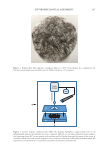
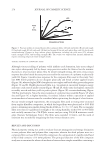
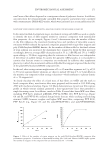
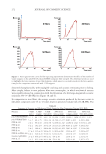
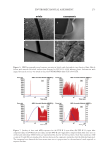
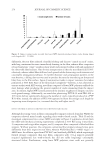
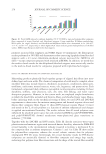
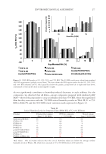
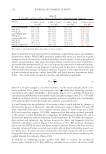
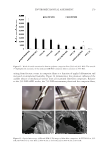
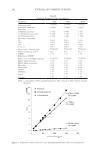
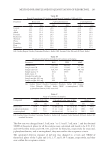
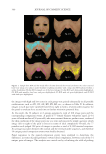
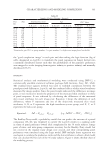
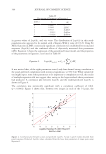
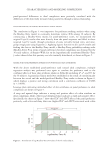
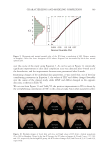
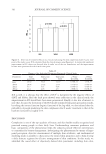
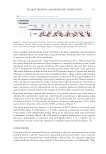
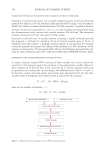
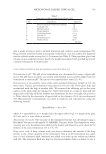
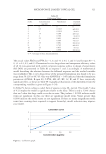
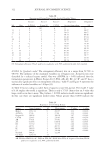
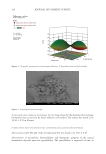
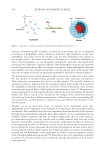
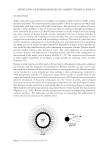
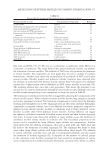
299 Characterizing and Modeling Complexion to describe skin translucency, with 0 being extremely translucent and 9 being severely not translucent. The corresponding facial skin color was measured on the cheeks using a portable X-Rite Spectrophotometer (X-Rite, Grand Rapids, MI, USA) and reported as the individual typology angle (ITA°). SKIN IMAGE CAPTURE AND VISUAL ATTRIBUTE ANALYSIS VISIA-CR (Canfield Scientific Inc., Parsippany, NJ, USA) was used to capture facial images under various lighting modalities from each of the 36 subjects. Each image contained a standard color chip to enable post-capture color correction of images. ImageJ, a freeware developed by the National Institute of Health (Bethesda, Maryland, USA), was employed to perform image analysis using our in-house–developed facial-feature-detection algorithms. The front-view images were used in this study, and a large region of interest (ROI) (including cheeks, nose, and lower periorbital region) was automatically detected and cropped out of each image. Multiple visual attributes of skin including color properties, shine, surface smoothness (32), subsurface light reflection (33,34), and spot severity were measured. Table I shows a summary of the objectively measured skin parameters, and Figure 1 shows a sample ROI and some examples of the detected skin visual attributes. PANEL PERCEPTION AND RESPONSES QUANTIFICATION A panel study on ideal complexion was conducted in a two-stimuli alternative forced choice (2-ACF) fashion. The translucency scores of the 36 study subjects were used to guide the selection of image pairs for the panel study. Paired images of masked face (as that in Figure 1B) were shown to the panel, and the Thurstonian model framework was followed (35). Specifically, images of the 36 subjects were divided into six groups with each group having three subjects with relatively high translucency scores (Table II: A, B, and C) and three with low scores (Table II: X, Y, and Z). To establish a starting point for this study, pairs of images of a high and a low score in skin translucency were formed in each group, with their age and skin ITA° values roughly balanced in each pair to avoid panelists’ simple decisions based on obvious cues of age or skin color. To further minimize perceptual bias, Table I List of Objectively Measured Visually Perceivable Parameters of Skin Parameters Description L* Brightness of CIE-LAB color space a* Redness of CIE-LAB color space b* Yellowness of CIE-LAB color space ITA° Individual typology angle indicating skin tone lightness, ITA° ={arctan(L* − 50)/b*} × 180/π HUE The hue of skin color, which is a balance between redness and yellowness, HUE =arctan(b*/a*) CUE Unevenness of skin tone (variance of grayscale pixel intensity) daStar Contrast of red spots and the normal skin (mean intensity difference between normal and spot pixels) dbStar Contrast of dark spots and the normal skin (mean intensity difference between normal and spot pixels) dINT Contrast of bright pixels and the normal skin DRR Skin subsurface reflection SVS Skin visual smoothness
Purchased for the exclusive use of nofirst nolast (unknown)
From: SCC Media Library & Resource Center (library.scconline.org)