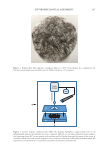
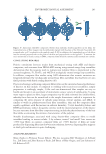
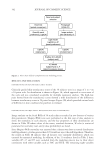
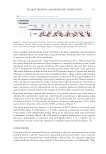
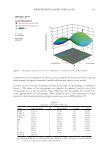
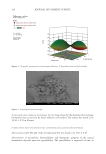
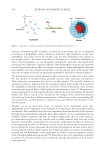
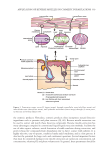
338 JOURNAL OF COSMETIC SCIENCE microparticles (54), and Tamoxifen (55). Lecithin organogel has many advantages including ease of preparation, safety, biocompatiblity, protection of active compounds, enhanced skin permeation, and long-term storage stability. Therefore, it is a promising formulation to be included in various cosmetic products for topical applications. The SC layer of the skin acts as the first barrier that denies entrance of foreign substances and protects the inner skin layers. Sometimes it is desirable to deliver active compounds into the skin layers to repair the skin’s structure and improve the appearance. However, most active ingredients cannot normally enter the skin layers. Reverse micelles can be employed as nano-size carriers to improve the skin penetration of active ingredients into the SC layer (17). Surfactants are known to modify the skin structures. Besides that, reverse micelles can improve the hydration of the SC layers (16). These factors, combined with the small size of reverse micelles, allow the reverse micelles to penetrate skin layers while carrying their contents. Through appropriate formulation, the reverse micelles are able to release their contents at a desired spot, thus achieving targeted and sustained release of active ingredients. Delivery of active compounds through topical administration follows several routes to reach the targeted sites. These penetration routes are shown in Figure 3. The transcellular route involves direct penetration of substances though the corneocyte. The intercellular route involves penetration following gaps between the corneocyte, but not directly across the corneocyte. The trans appendageal route involves delivery via hair follicles (56). Nevertheless, penetration deep into the receptor section and systemic system of the body may not be a desirable property for skin care products. Therefore, cosmetic formulators must optimize their designs to ensure that no side effects will arise after applying the skin care products. Potential of reverse micelles as carriers for active compounds and drugs has been reported by researchers. Hyaluronic acid (HA) can be encapsulated in glyceryl monooleate reverse micelles and dispersed uniformly in IPM (17). HA is a cosmetic supplement that is used to retain the moisture and elasticity of the skin especially after UV exposure. The study shows that reverse micelles greatly enhance HA permeation in the SC, epidermis, and dermis layers. The SC penetration occurs mainly through the intercellular route. Then, the reverse micelles collapse and release HA into deeper skin layers. The reverse micelle delivery system of deferoxamine was formulated using FDA compliant materials like emulsifiers cetyl alcohol and plurol oleique (43). The formulation enhances permeation and provides sustained release of deferoxamine. The delivery performance of reverse micelle systems are affected by various factors. The addition of glycolipid can reduce the size of reverse micelles and enhance skin permeation (45). Water content and viscosity are found to affect skin permeation and the release of active compounds (40). Another study reported that skin permeation property has a complex relationship with the structure of polyethylene glycol surfactants used to form the reverse micelles (57). Integration of a reverse micelle system on other formulations can improve the delivery performance. Reverse micelle formulation with patches was reported to provide extended release of lidocaine to the skin (58). Inclusion of reverse micelle in film formulation was found to increase skin retention of sodium levothyroxine (47). Various studies showed that a reverse micelle system has the potential to be used as delivery system of hydrophilic active ingredients in cosmetic formulations. INDIRECT APPLICATIONS IN COSMETICS PRODUCTS Indirect application here refers to reverse micelle systems that are not included in final cosmetic formulations or products but are used to prepare the ingredients or to analyze

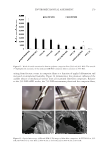
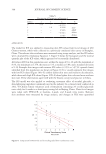
339 Application of Reverse Micelles in Cosmetic Formulations the cosmetic products. Nowadays, cosmetic products often incorporate natural bioactive ingredients such as proteins and plant extracts (59, 60). Reverse micelle extraction can be used to extract and purify these bioactive compounds. Reverse micelle extraction has many advantages compared to conventional liquid-liquid extraction methods. It allows the use of safer organic solvents, avoids formation of stable emulsion during extraction, and protects bioactive compounds from degradation due to direct contact with solvents. It is highly selective, easy to operate, conducted under mild conditions, and is a fast process. It also has the potential for large scale and continuous operation. Several important factors that must be considered during reverse micelle extraction are surfactant concentration, salt concentration, solution pH, and phase volume ratio. In general, these parameters should be Figure 3. Penetration routes: across SC (upper image), through transcellular route (solid-line arrow), and intercellular route (dotted-line arrow) into epidermis and dermis (lower image) through (1) sweat pores, (2) SC layer and (3) hair follicles (30).
Purchased for the exclusive use of nofirst nolast (unknown)
From: SCC Media Library & Resource Center (library.scconline.org)