18 JOURNAL OF COSMETIC SCIENCE
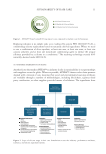
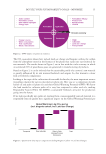
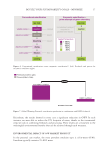
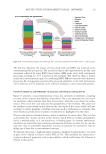
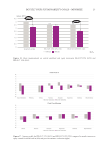
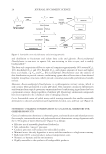
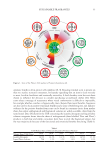
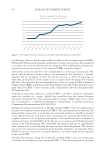
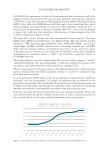
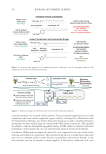
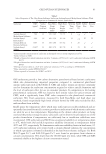
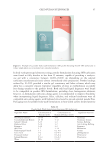
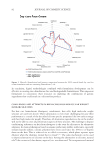
The system depicted in Figure 8 comprises an emulsifier blend of Polyglyceryl-3 Distearate
and Glyceryl Stearate Citrate, consistency enhancers including Glyceryl Stearate and
Cetearyl Alcohol, an oil phase comprising four conventional esters derived from non-RSPO
feedstock, a sensory aid in the form of Cellulose, a water phase with Xanthan Gum as
a thickener, and Glycerin. To assess the environmental impact of this binary emulsion,
we replaced the non-RSPO palm-based metal-catalyzed esters with RSPO palm-derived
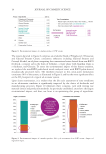
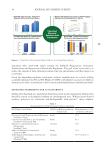
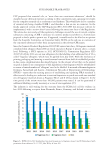
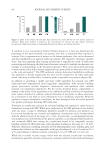
enzymatically processed esters. The emollient mixture in this oil-in-water formulation
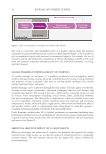
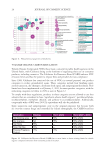
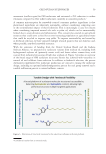
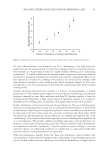
constitutes 18% of the system, as illustrated in Figure 9, and has the most significant effect
on the CO
2
footprint of a typical oil-in-water system.
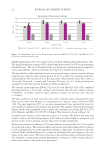
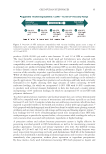
Upon closer examination, it is evident that the life cycle assessment of ester emollients
in an oil-in-water emulsion is significantly impacted by the choice of feedstocks and
manufacturing processes. Figure 10 illustrates three scenarios, each with varying raw
material choices and production methods. As previously established, esters have the largest
environmental impact, and thus, our focus is on optimizing this group of ingredients.
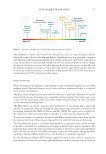
Figure 8. Environmental impact of a market product: O/W cream.
Figure 9. Environmental impact of a market product: Life cycle assessment of an O/W cream – Impact of
ingredient types.
The system depicted in Figure 8 comprises an emulsifier blend of Polyglyceryl-3 Distearate
and Glyceryl Stearate Citrate, consistency enhancers including Glyceryl Stearate and
Cetearyl Alcohol, an oil phase comprising four conventional esters derived from non-RSPO
feedstock, a sensory aid in the form of Cellulose, a water phase with Xanthan Gum as
a thickener, and Glycerin. To assess the environmental impact of this binary emulsion,
we replaced the non-RSPO palm-based metal-catalyzed esters with RSPO palm-derived
enzymatically processed esters. The emollient mixture in this oil-in-water formulation
constitutes 18% of the system, as illustrated in Figure 9, and has the most significant effect
on the CO
2
footprint of a typical oil-in-water system.
Upon closer examination, it is evident that the life cycle assessment of ester emollients
in an oil-in-water emulsion is significantly impacted by the choice of feedstocks and
manufacturing processes. Figure 10 illustrates three scenarios, each with varying raw
material choices and production methods. As previously established, esters have the largest
environmental impact, and thus, our focus is on optimizing this group of ingredients.
Figure 8. Environmental impact of a market product: O/W cream.
Figure 9. Environmental impact of a market product: Life cycle assessment of an O/W cream – Impact of
ingredient types.