20 JOURNAL OF COSMETIC SCIENCE
VOLATILE ORGANIC CARBON REGULATION
Volatile Organic Compounds (VOCs) have been a concern for public health agencies in the
United States, with California being at the forefront of regulating their use in consumer
products, including cosmetics. The California Air Resources Board (CARB) enforces VOC
emission limits and has the power to impose fines and penalties for non-compliance.
Since 1989, California has restricted the use of VOCs in several personal care product
categories to reduce ground-level ozone. These categories include hair finishing spray,
aerosol sunscreen, dry shampoo, deodorant body spray, and antiperspirant/deodorant. New
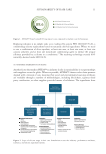
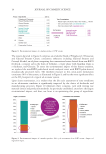
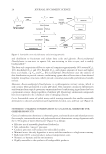
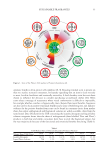
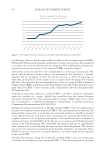
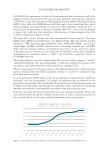
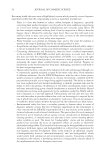
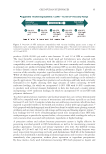
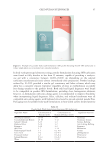
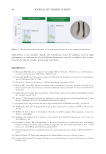
limits have been implemented as of January 1, 2023, for most product categories, with the
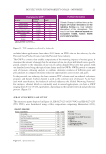
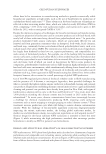
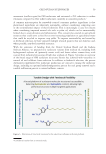
remaining categories to follow in 2029 as seen in Figure 12.
To comply with these regulations, products in these categories are not allowed to use four
solvents that are considered to have “significant adverse health impacts”: perchloroethylene,
trichloroethylene, methylene chloride, and pchloro-α-,α,αtrifluorotoluene. Additionally,
compounds with a GWP over 150 CO
2 equivalents will also be prohibited.
Spray sunscreens and antiperspirants were in the original proposal, but because both
are over-the-counter drugs and controlled by federal monographs, the CARB board has
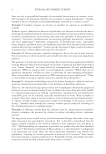
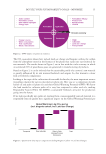
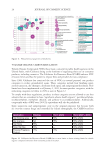
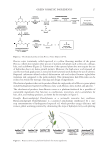
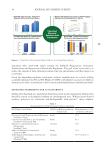
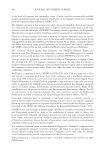
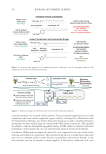
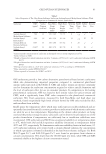
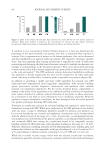
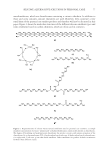
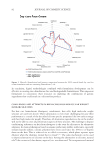
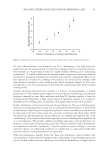
Figure 11. Physiochemical properties of emollients.
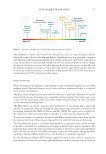
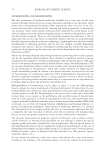
Figure 12. California Air Resources Board (CARB) has set new limits to lower existing limits for volatile
organic compound emissions from consumer products by 2023.
VOLATILE ORGANIC CARBON REGULATION
Volatile Organic Compounds (VOCs) have been a concern for public health agencies in the
United States, with California being at the forefront of regulating their use in consumer
products, including cosmetics. The California Air Resources Board (CARB) enforces VOC
emission limits and has the power to impose fines and penalties for non-compliance.
Since 1989, California has restricted the use of VOCs in several personal care product
categories to reduce ground-level ozone. These categories include hair finishing spray,
aerosol sunscreen, dry shampoo, deodorant body spray, and antiperspirant/deodorant. New
limits have been implemented as of January 1, 2023, for most product categories, with the
remaining categories to follow in 2029 as seen in Figure 12.
To comply with these regulations, products in these categories are not allowed to use four
solvents that are considered to have “significant adverse health impacts”: perchloroethylene,
trichloroethylene, methylene chloride, and pchloro-α-,α,αtrifluorotoluene. Additionally,
compounds with a GWP over 150 CO
2 equivalents will also be prohibited.
Spray sunscreens and antiperspirants were in the original proposal, but because both
are over-the-counter drugs and controlled by federal monographs, the CARB board has
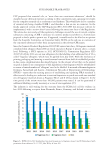
Figure 11. Physiochemical properties of emollients.
Figure 12. California Air Resources Board (CARB) has set new limits to lower existing limits for volatile
organic compound emissions from consumer products by 2023.