26 JOURNAL OF COSMETIC SCIENCE
FEEDSTOCK SOURCING
Using responsibly managed abundant resources and sustainable agriculture and forestry
practices are foundational to minimizing the environmental impact at the start of the
ingredient life cycle. Broadly, this includes utilizing biobased and renewable feedstocks
from sustainably grown plants and ensuring that those feedstocks are traceable with reduced
environmental and social risks within the supply chain. For example, sustainability may
be enhanced by regenerative farming techniques that enhance soil health and preserve
biodiversity.
INGREDIENT MANUFACTURING
The manufacturing phase offers significant opportunities for sustainability improvements
through:
• Adopting energy-efficient processes that reduce energy consumption and greenhouse gas
emissions.
• Incorporating Green Chemistry1 and Green Engineering2 principles to minimize the use
of hazardous substances and to create safer products.
• Reducing waste generation by optimizing processes and recycling byproducts.
Sustainability design and manufacturing extend the principles of chemical engineering
using a systems-thinking approach to incorporate awareness of maintaining the balance of
the environment and the ecosystems that depend upon it. It is not a major departure from
chemical engineering for instance, the same material and energy balances still guide the
design. Moreover, by reducing carbon footprints and responsibly using natural resources, it
may be possible to bring overall costs down.3
We will demonstrate the concepts that underpin the design of ingredients for sustainability
by considering Brassica and Castor as alternatives to palm-based feedstocks.
Brassica. Most seed oils derived from plants of the genus Brassica, including Brassica napus
(rapeseed) and Brassica juncea (Indian mustard), inherently possess a C
18
–C
22
triglyceride
composition, which provides notable benefits in hair care.4 This natural oil offers an
abundant sustainable alternative to petro-based or palm-based feedstocks.
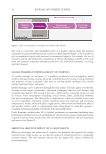
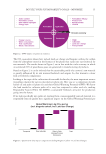
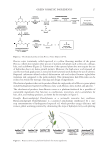
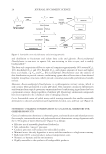
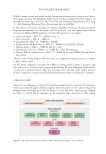
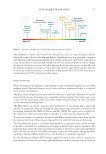
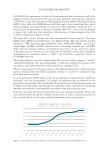
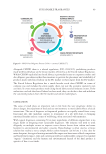
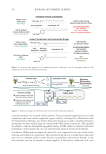
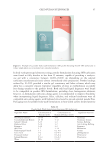
Feedstock Sourcing
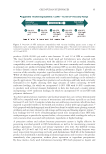
Renewable biobased feedstocks with a
traceable and sustainable supply chain
Product Manufacture
Improved manufacturing efficiency from
non-hazardous and easy-to-process
ingredients
Ingredient Manufacture
Efficient use of energy and water with
minimal emissions and waste generation
Consumer Use
Safe, gentle, and non-toxic ingredients
that support compelling claims with
perceivable benefits
Ingredient Transportation
Reduced transportation impacts from a
global supply network and high active
content level ingredients
End of Life
Ingredients that are biodegradable, non-
persistent, and non-toxic to aquatic life
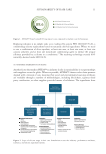
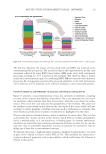
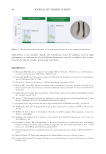
Figure 1. Key stages in the ingredient life cycle.
FEEDSTOCK SOURCING
Using responsibly managed abundant resources and sustainable agriculture and forestry
practices are foundational to minimizing the environmental impact at the start of the
ingredient life cycle. Broadly, this includes utilizing biobased and renewable feedstocks
from sustainably grown plants and ensuring that those feedstocks are traceable with reduced
environmental and social risks within the supply chain. For example, sustainability may
be enhanced by regenerative farming techniques that enhance soil health and preserve
biodiversity.
INGREDIENT MANUFACTURING
The manufacturing phase offers significant opportunities for sustainability improvements
through:
• Adopting energy-efficient processes that reduce energy consumption and greenhouse gas
emissions.
• Incorporating Green Chemistry1 and Green Engineering2 principles to minimize the use
of hazardous substances and to create safer products.
• Reducing waste generation by optimizing processes and recycling byproducts.
Sustainability design and manufacturing extend the principles of chemical engineering
using a systems-thinking approach to incorporate awareness of maintaining the balance of
the environment and the ecosystems that depend upon it. It is not a major departure from
chemical engineering for instance, the same material and energy balances still guide the
design. Moreover, by reducing carbon footprints and responsibly using natural resources, it
may be possible to bring overall costs down.3
We will demonstrate the concepts that underpin the design of ingredients for sustainability
by considering Brassica and Castor as alternatives to palm-based feedstocks.
Brassica. Most seed oils derived from plants of the genus Brassica, including Brassica napus
(rapeseed) and Brassica juncea (Indian mustard), inherently possess a C
18
–C
22
triglyceride
composition, which provides notable benefits in hair care.4 This natural oil offers an
abundant sustainable alternative to petro-based or palm-based feedstocks.
Feedstock Sourcing
Renewable biobased feedstocks with a
traceable and sustainable supply chain
Product Manufacture
Improved manufacturing efficiency from
non-hazardous and easy-to-process
ingredients
Ingredient Manufacture
Efficient use of energy and water with
minimal emissions and waste generation
Consumer Use
Safe, gentle, and non-toxic ingredients
that support compelling claims with
perceivable benefits
Ingredient Transportation
Reduced transportation impacts from a
global supply network and high active
content level ingredients
End of Life
Ingredients that are biodegradable, non-
persistent, and non-toxic to aquatic life
Figure 1. Key stages in the ingredient life cycle.