43 Sustainable Fragrances
CLP proposed that essential oils, or “more than one constituent substances”, should be
classified as any chemical mixture according to their constituent parts, ignoring test results
for the complete essential oil as a substance used hitherto. This would have led to a number
of essential oils being classified CMR 1 and therefore a ban on use in cosmetics. In the
finally approved version of the CLP Regulation (EU) 2024/2865 this measure will not be
implemented, with a review after 6 years following the entry into force of the Regulation.
This alone does not resolve all the regulatory challenges around the use of natural complex
substances containing a CMR 1 substance in cosmetic products and there is a Commission
proposal to find a path to permit use. If approved, it would need to be allied to an opinion
from the Scientific Committee on Consumer Safety (SCCS) on the safe use in cosmetics of
the concerned substances before their incorporation in the relevant CPR annex.
Since the Cosmetic Products Regulation 2003/15/EC entered into force, 26 fragrance materials
considered skin allergens (Annex III) are listed on pack in Europe if present above a certain
level. Following a SCCS opinion in 2012 (SCCS/1459/11), Commission Regulation (EU)
2023/1545 of July 2023 sets out new obligations for the labelling of an additional list of 56 so
called “fragrance allergens”, which must be applied from July 2026. With the mechanics of
printing packaging and wanting to avoid eventual removal from shelf of mislabelled product
in due course, implementation has already begun. As the amount of text that can be printed
on pack is limited, one consequence of this legislation is that fragrances will be reformulated
to ensure a limited number of “allergens” need to be labelled. A network of dermatologists in
Germany, Switzerland and Austria -Information Network of Departments of Dermatology
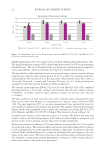
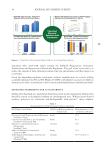
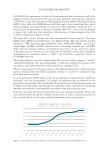
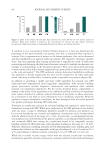
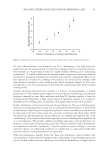
(IVDK) – report that the existing practice of establishing and updating IFRA standards is
effective and is leading to a reduction in reaction frequencies to patch tests with two standard
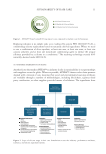
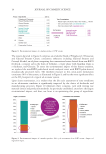
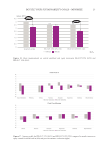
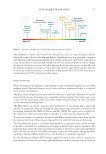
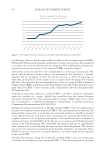
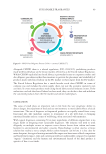
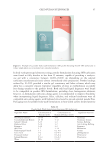
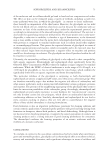
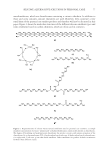
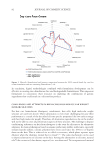
sets of fragrance materials know as Fragrance Mix I and II [36] as shown in Figure 6. In the
time period of the review more than 100,000 patients were tested. It can be questioned if
additional labelling is really necessary or a case of over-regulation [37].
The industry is still waiting for the outcome from the ECHA led call for evidence in
late 2022 following a request from Denmark, France, Germany, and Ireland to interested
Figure 6. IDVK 2012-2022 Standardised reaction frequencies to fragrance mixes I and II. Reproduced with
permission from reference 36. © 2023 John Wiley &Sons A/S.
CLP proposed that essential oils, or “more than one constituent substances”, should be
classified as any chemical mixture according to their constituent parts, ignoring test results
for the complete essential oil as a substance used hitherto. This would have led to a number
of essential oils being classified CMR 1 and therefore a ban on use in cosmetics. In the
finally approved version of the CLP Regulation (EU) 2024/2865 this measure will not be
implemented, with a review after 6 years following the entry into force of the Regulation.
This alone does not resolve all the regulatory challenges around the use of natural complex
substances containing a CMR 1 substance in cosmetic products and there is a Commission
proposal to find a path to permit use. If approved, it would need to be allied to an opinion
from the Scientific Committee on Consumer Safety (SCCS) on the safe use in cosmetics of
the concerned substances before their incorporation in the relevant CPR annex.
Since the Cosmetic Products Regulation 2003/15/EC entered into force, 26 fragrance materials
considered skin allergens (Annex III) are listed on pack in Europe if present above a certain
level. Following a SCCS opinion in 2012 (SCCS/1459/11), Commission Regulation (EU)
2023/1545 of July 2023 sets out new obligations for the labelling of an additional list of 56 so
called “fragrance allergens”, which must be applied from July 2026. With the mechanics of
printing packaging and wanting to avoid eventual removal from shelf of mislabelled product
in due course, implementation has already begun. As the amount of text that can be printed
on pack is limited, one consequence of this legislation is that fragrances will be reformulated
to ensure a limited number of “allergens” need to be labelled. A network of dermatologists in
Germany, Switzerland and Austria -Information Network of Departments of Dermatology
(IVDK) – report that the existing practice of establishing and updating IFRA standards is
effective and is leading to a reduction in reaction frequencies to patch tests with two standard
sets of fragrance materials know as Fragrance Mix I and II [36] as shown in Figure 6. In the
time period of the review more than 100,000 patients were tested. It can be questioned if
additional labelling is really necessary or a case of over-regulation [37].
The industry is still waiting for the outcome from the ECHA led call for evidence in
late 2022 following a request from Denmark, France, Germany, and Ireland to interested
Figure 6. IDVK 2012-2022 Standardised reaction frequencies to fragrance mixes I and II. Reproduced with
permission from reference 36. © 2023 John Wiley &Sons A/S.