49 Sustainable Fragrances
Alongside CSDDD there is a related regulation, (EU) 2024/3015, prohibiting products
made with forced labour on the Union market, referred to as the Forced Labour Regulation.
Whilst CSDDD explicitly lists forced labour, it primarily focuses on corporate conduct and
due diligence procedures rather than measures to prevent the placement and availability of
products made with forced labour on the EU market or their export from the EU market.
The Forced Labour Regulation has a much broader reach than CSDDD in terms of
company size and includes the entire supply chain, not just the economic operator’s own
activities. It covers many products made using forced labour and all industry sectors. If the
authorities conclude that forced labour has been used, they can decide to ban and withdraw
the concerned products from the EU market and online marketplaces.
CONCLUSION
The sense of smell plays an important role in life from the very pragmatic ability to
detect danger, the enjoyment of food and our environment, to more subtle effects of social
interactions. The use of fragrance or fragranced products can equally extend from a very
functional role, like malodour control, to reassurance of a job well done, to bringing
emotional benefits such as a sense of well-being, often associated with memories.
With typical fragrances containing 50 or more ingredients of different origins there is no
magic bullet in designing more sustainable fragrances. The industry will need to work
diligently on multiple vectors to improve across diverse factors from carbon and water
footprint to environmental and safety concerns. Biotechnology is often cited as a future
solution but reality is not so simple whilst carbon footprint can be low, it is less clear for
water footprint, the typical starting materials like sugar cane have issues of food competition
and biodiversity impact, time and conversion yields are unfavourable compared to standard
“organic” chemistry, and the human and environmental hazard of the final product is
agnostic of how it was made.
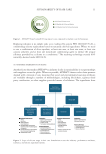
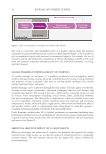
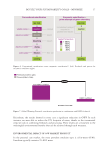
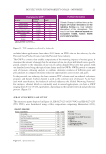
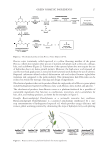
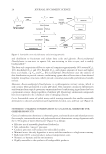
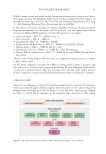
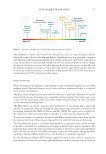
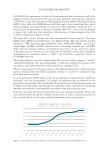
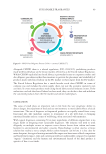
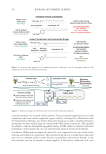
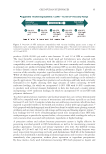
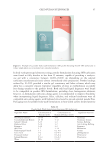
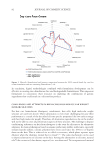
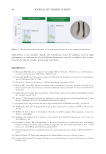
Figure 8. OECD Due Diligence Process (2020) – courtesy UNFSS [57].
Alongside CSDDD there is a related regulation, (EU) 2024/3015, prohibiting products
made with forced labour on the Union market, referred to as the Forced Labour Regulation.
Whilst CSDDD explicitly lists forced labour, it primarily focuses on corporate conduct and
due diligence procedures rather than measures to prevent the placement and availability of
products made with forced labour on the EU market or their export from the EU market.
The Forced Labour Regulation has a much broader reach than CSDDD in terms of
company size and includes the entire supply chain, not just the economic operator’s own
activities. It covers many products made using forced labour and all industry sectors. If the
authorities conclude that forced labour has been used, they can decide to ban and withdraw
the concerned products from the EU market and online marketplaces.
CONCLUSION
The sense of smell plays an important role in life from the very pragmatic ability to
detect danger, the enjoyment of food and our environment, to more subtle effects of social
interactions. The use of fragrance or fragranced products can equally extend from a very
functional role, like malodour control, to reassurance of a job well done, to bringing
emotional benefits such as a sense of well-being, often associated with memories.
With typical fragrances containing 50 or more ingredients of different origins there is no
magic bullet in designing more sustainable fragrances. The industry will need to work
diligently on multiple vectors to improve across diverse factors from carbon and water
footprint to environmental and safety concerns. Biotechnology is often cited as a future
solution but reality is not so simple whilst carbon footprint can be low, it is less clear for
water footprint, the typical starting materials like sugar cane have issues of food competition
and biodiversity impact, time and conversion yields are unfavourable compared to standard
“organic” chemistry, and the human and environmental hazard of the final product is
agnostic of how it was made.
Figure 8. OECD Due Diligence Process (2020) – courtesy UNFSS [57].