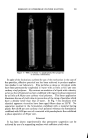
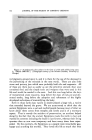
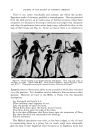
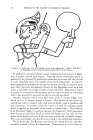
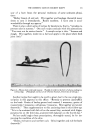
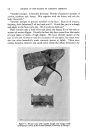
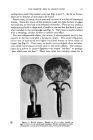
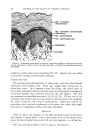
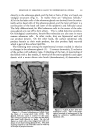
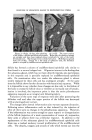
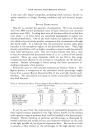
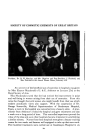
162 JOURNAL OF THE SOCIETY OF COSMETIC CHEMISTS Figure 2.--A predynastic slate palette in the form of a fish with pebble lying upon it. (Before 3000 B.C.) (Photograph courtesy of the Oriental Institute, University of Chicago.) red pigments ground upon it, and it is there for the use of the deceased in the pulverizing of the minerals in the next world. There are also little stone and pottery jars which once probably held oils and unguents. All of these are there just as surely as are the primitive utensils that once contained food and the simple tools and weapons that were used in this life and would be needed in the next. And this was long before the days of monumental stone masonry, long before the days of rock-cut and dec- orated tombs, long before the adoption and refinement of the highly developed techniques of mummifying the body. Even in those early days vanity no doubt played a large role, a vanity that extended beyond the grave. We are accustomed to think that the ancient Egyptians were a sad and morbid people because most of what we know about them comes from temples and tombs and is of a mortuary aspect. That is merely the accident of preservation, an accident helped along by the fact that the ancient Egyptians made the tomb to last and wanted its contents including the body to last forever, whereas their living quarters then as now were temporary and have many times been super- seded. On the contrary, the Egyptians as a people were remarkably gay, happy and anything but morbid. They loved this life so much that they

THE COSMETIC ARTS IN ANCIENT EGYPT 163 wanted to make sure that it went on in the next world in the same manner but only better if possible. Vanity alone does not, however, account for the very large use of cos- metics even in later times in ancient Egypt. Certainly the climate itself makes the use of some kind of oils and unguents on the skin, for example, a necessity. In a land of extreme dry heat in summer and without adequate means of insuring cleanliness a person is liable to irritations of all sorts, superficial if not serious and contagious. In Upper Egypt where it never rains, for example, and where the winter air is electrically dry and cool we who live there in the winters accept it as inevitable that we must apply something softening to hands and face frequently. Also in antiquity in the absence of soap or any other effective cleansing agent, oils and unguents were equally important for cleansing purposes. There is no reference to soap or anything we can identify as soap in the ancient Egyptian language and texts. I believe one of the Latin writers refers to the making of soap by the boiling of goat's tallow with causticised wood ash, but the manufacture of soap was not introduced into France and Germany from Italy until the 13th century A.D. It has been said that the ancient Egyptians used natron as a cleansing agent in the bath but I do not know on what authority or evidence. Natron, much used by the Egyptians especially in the mummification of bodies, is a natura•iy occur- ring compound of sodium carbonate and sodium bicarbonate With much impurity, particularly sodium chloride, in it. I do not know wliether this would have been of any particular value as a cleansing agent or not. I think it is no rationalization from vanity to utility which made the ancient Egyptians so exceedingly fond of green and especially black eye- paint or eye-shadow and to believe that they served as aids against the glare of the sun and as prophylactics against the ever present and ever dangerous eye diseases of a subtropic country. Whether the materials they used on lids and lashes had any actual prophylactic value or not I am not enough of a chemist to say. The point is that they believed in them and adopted them for that ostensible purpose. Of course, that they were said to make the eyes "large and bright" and actually do lend an exotic and arresting caste to the face eventually predominated perhaps as a motive for their use. I am not sure either how much a felt necessity played a part in the re- moval of bodily hair and the shaving of the head. Certainly, in the case of the priests it was considered a matter of absolute necessity for bodily cleanliness and ritual purity. The development of the most elaborate large curled and braided wigs to take the place of natural hair would, on the other hand, appear to have been dictated solely by vanity, for if anything ever presented a problem in cleanliness those wigs must have. I have wondered whether the numerous recipes from the old texts for preparations
Purchased for the exclusive use of nofirst nolast (unknown)
From: SCC Media Library & Resource Center (library.scconline.org)