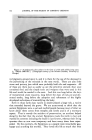
LIPID STUDIES ON "STRIPPED" AND "UNSTRIPPED" HUMAN SKIN By R. SeH•.P., M.D., F. H•.P.e.M^•, M.D., W. M. Coo•, M.D., and L. M^•DOI.* Presented October 8, 1958, Seminar, New York City I• .a PREVIOUS paper we reported on the quantity, acid number (A.N.) and spreading index (S.I.) of the ether-soluble material on the skin with reference to different areas of the skin surface (1). In the fol- lowing, we should like to report on studies of the same properties in an additional dimension, namely on the findings observed at different levels, more specifically, on those observed at the surface and at the base of the stratum comeurn. As a result of extensive recent studies, in particular by Szakall in Hamburg (2, 3, 4) and by Blank in Boston (5, 6, 7), the basal zone of the stratum corneum has become a focus of ever increasing in- terest (Fig. 1), having proven to be the site of a variety of biochemical regulatory mechanisms and natural protective functions it was designated as the "barrier" zone by Szakall, or as stratum "conjuncture" (whereas the outer stratum corneum was referred to as stratum "disjuncture" (2, 8)). EXPERIMENTAL Method The methods of assaying quantity, A.N. and S.I. of the lipids were those described previously (9, 10, 11, 12, 13, 1). In order to gain access to the barrier level (Fig. 1), the skin surface was denuded by manual stripping by means of a 2-in. wide cellophane tape** a method devised many years ago by Wolf in Germany (14), elaborated more recently by Szakall (15) and employed in this country at about the same time by Pinkus (16). The barrier level is recognized by a characteristic reflection of light. The number of strippings necessary to reach this level differed for different * Dept. of Dermatology and Syphilology, New York University Post-Graduate Medical School (Dr. Marion B. Sulzberger, Chairman) and the Skin and Cancer Unit of University Hospital, New York 3, N.Y. ** "Scotch Brand Cellophane Tape" •,!600, Minnesota Mining and Manufacturing Co. 187

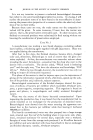
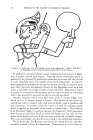
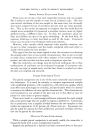
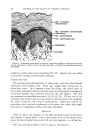
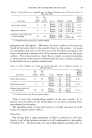
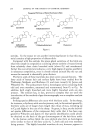
188 JOURNAL OF THE SOCIETY OF COSMETIC CHEMISTS Str. corneum clisj unetum Str. eorneum conjuncture 'Barriere) granulosum germinativum Kaplllare Corium ß Figure 1.--Schematic presentation of stratum conjunction (Barrier) and stratum disjunc- turn in microscopic vertical section through skin (from A. Szakall in Berufsdermatosen, 6, 171 (1958). subjects, as well as sites, and varied from 10 to 30. Special care was taken to avoid any oozing or extravasation of blood. Subjects and Sites The samples were obtained from 17 white male--and three white female volunteers with healthy skin. Their age ranged from twenty-two to thirty-four years. As is apparent from the tables, the lateral parts of lower chest and upper back were the skin areas most frequently investigated occasional samples were collected also from the calf regions. The skin was prepared as described previously (9, 10, 12, 13). Of any two of the symmetrically located sites, one was chosen as the test site for the stripping, the other served for the control examinations. Additional control ex- aminations were routinely performed on the same sites about forty-eight hours prior to stripping, as well as a few days thereafter. RESULTS Table it shows the medians of the lipid quantity found on the intact skin surface ("casual level") and at the barrier level of the lateral lower chest, the lateral upper back, and of all test sites together--i.e. of the fore- The values presented in Tables 1-3 will also appear in "Der Hautarzt."
Purchased for the exclusive use of nofirst nolast (unknown)
From: SCC Media Library & Resource Center (library.scconline.org)