210 JOURNAL OF THE SOCIETY OF COSMETIC CHEMISTS By comparing the composition of the surface and epidermal lipids, an evaluation of the true composition of sebum can be made. Such an evalua- tion is made later in this paper. BIOCHEMICAL PROBLEMS OF SEBUM FORMATION Evidence, mainly of a histochemical nature, has given some indications of the nature of the enzyme systems present in the sebaceous glands but such information is still very incomplete. Other studies which have thrown some light on this very complex picture will now be considered. Mode of Formation of Long Chain Compounds. There are at least five main series of long chained compounds found in the surface and hair lipids. These are as follows: 1. Hydrocarbons R. CH.• 2. Wax alcohols R.CH2OH 3. Alkane-diols R-CH(OH).CH2OH 4. Fatty acids R.COOH 5. a-Hydroxy acids R.CH(OH).COOH The radical R is a straight hydrocarbon chain which may be unsaturated or may be branched near the end. Of these compounds it is not clear at present how much simple hydro- carbon is present in sebum. The straight chain hydrocarbons found in early investigations were almost certainly contaminants. Some of the branched material appears to come from the epidermis--nevertheless, there still appears to be some branched hydrocarbons secreted by the sebaceous glands. The wax alcohols are largely of sebaceous origin, a little coming from the epidermis. Of the fatty acids the branched and highly branched members come from the sebaceous glands as does also the majority of the C•0 unsaturated (11) acids. The hydroxy acids are peculiar to the sheep and are almost certainly of sebaceous origin, and the alkane-diols appear to be genuine sebaceous products. All of these compounds appear to be built up from small terminal units by a process of chain elongation by means of acetate (12). The even membered fatty acids start with acetate as this terminal unit, while for odd members the unit is propionate. With the branched chain members the terminal units are probably derived from amino acids since in the seba- ceous glands the over-all process is one of the conversion of cellular proteins into lipids. Valine and isoleucine form the basis of two types of branched acids (13). These appear to be first decarboxylated and then deaminated to form the terminal units which are then built up by the chain elongation method. It is not clear yet whether the long chain compounds are built up first as fatty acids and then converted into the alcohol, or other type of compound,

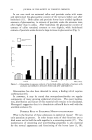
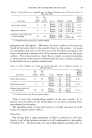
BIOCHEMISTRY OF SEBUM 211 or whether each series of compounds is built up separately with its own specific enzyme system. It is, however, obvious that the acid is not con- verted directly into an alcohol of the same chain length if a direct conver- sion does take place it appears to involve the introduction of a four carbon unit onto the end of the fatty acid. The detailed pathways of synthesis of all these compound groups have still to be worked out for the sebaceous glands. The experimental work involved in such an elucidation will re- quire considerable ingenuity. The Free Fatty/lcids. The finding of the presence of a high proportion of free fatty acids in the surface lipids has aroused considerable interest. Sebaceous-like materials secreted into enclosed cysts such as steatocystom as (14) and ovarian dermoid cysts (15) contain very little fatty acids. Ni- colaides and Wells (14) were able to demonstrate the presence of esterases in the mouths of the sebaceous glands. They were not, however, able to show whether these were definitely localized enzymes or were in fact due to the presence of bacteria in the mouths of the ducts. Further work at the University of Chicago has shown that on the sterile skin surface the amounts of free fatty acids produced in the surface lipids are appreciably less than on unsterile skin. We can conclude, therefore, that a fair propor- tion of the free acids are produced by bacterial action. This raises some interesting problems of skin bacterial symbiosis and antagonism. Certain of the free fatty acids are able to inhibit the growth of some types of bac- teria (16) and fungi (17) yet it appears that these acids are in fact produced by the action of other bacteria. The whole problem appears to be one of maintaining a balanced bacterial flora on the skin surface. Site of Sterol Synthesis in thb Skin. This problem can be approached in several ways. Using radioactive acetate Nicolaides and Rothman (18) found that the site of squalene synthesis was the sebaceous glands while sterols appeared to be formed both in the epidermis and in the sebaceous glands. By studying the effect of sebaceous gland activity on the composi- tion of the skin surface lipids Boughton, MacKenna, Wheatley and Wormall (19) were able to show that on areas of skin with high sebaceous activity the concentration of squalene reached a steady average value of about 10 per cent and the cholesterol a value of 3 per cent. When, however, the sebaceous activity fell below a certain critical level dilution by epidermal TABLE 3--THE DISTRIBUTION OF STEROLS IN HUMA•r S•cI•r Origin of Lipids . Cholesterol - 7-Dehydrocholesterol Free Ester (% Total lipids) (% Total lipids) Esterified Surface 0.001 1.0 1.4 58.4 Epidermis 0.36 7.9 1.7 17.2 Dermis 0.03 1.8 0.27 13.1 Subcu tis 0.005 0.2 0.02 9.0
Purchased for the exclusive use of nofirst nolast (unknown)
From: SCC Media Library & Resource Center (library.scconline.org)