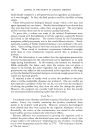
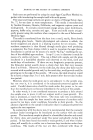
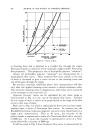
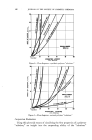
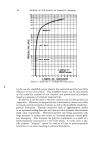
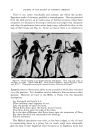
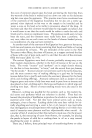
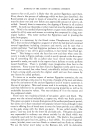
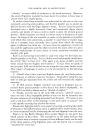
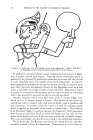
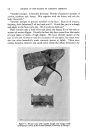
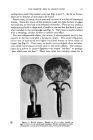
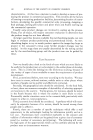
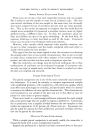
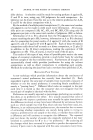
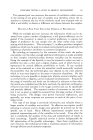
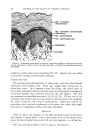
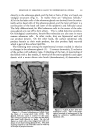
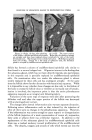
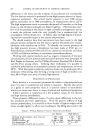
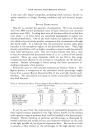
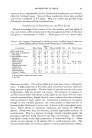
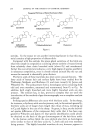
208 JOURNAL OF THE SOCIETY OF COSMETIC CHEMISTS Suggested Pathway of Sterol Synthesis in Skin H0 H0 H0 Lanosterol Dihydrolanosterol as-Cholestenol HO HO HO Lathosterol 7-Dehydrocholesterol Cholesterol (•7-Cholestenol) Figure 1. steroids. In the mouse we see another interesting feature in that this ma- terial contains a high proportion of alkane-diols. Compared with the animals the preen gland secretions of the birds are relatively simple in composition consisting almost entirely of waxes formed from relatively short chain branched acids (about C6) and octadecanol. In fact the over-all picture indicates a very high degree of species specificity in sebaceous composition, even in closely related animals like the rat and mouse the material is chemically quite distinct. The fatty acids of these materials also show some unusual features. The fatty acids of human hair and surface lipids have been studied first by Weitkamp, Smiljanic and Rothman (3) and more recently by James and Wheatley (4). The acids present form a homologous series containing both odd and even members, saturated and unsaturated, from C7 to C20. In addition both singly branched and more highly branched acids are also present. The mixture has, in fact, proved so complex that not until the introduction of the methods of gas chromatography was a complete analysis achieved. Striking species differences also occur with the fatty acids. In the sheep, for instance, a-hydroxy acids are also present, and, in the animals generally, the fatty acids are of longer chain length than those of man, extending up to C30 and higher in the case of the sheep. So great, in fact, are the individ- ual species differences of the component fatty acids that it has been sug- gested by Wheatley and James (5) that species identification could almost be obtained on the basis of the gas chromatogram of the hair fatty acids. In the human surface lipids the wax alcohols also form an homologous series similar to that of the fatty acids (6, 7), both odd and even members being present. The highly branched members do not, however, appear to

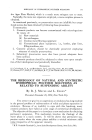
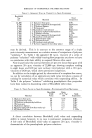
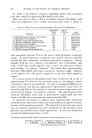
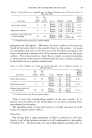
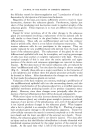
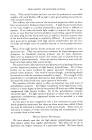
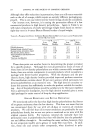
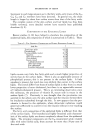
BIOCHEMISTRY OF SEBUM 209 be present in such large amounts as in the fatty acids, only traces of the Cn, C•a, C•5 and C•7 members have been detected. In general too, the chain length is longer by about four carbon atoms than that of the fatty acids. The complex nature of the skin surface and hair lipids has thus been briefly reviewed more detailed reviews have recently been published elsewhere (8, 9). COMPOSITION O1 v THE EPIDERMAL LIPIDS Recent studies (1, 10) have helped to elucidate the composition of the epidermal lipids, the composition of which is summarized in Table 2. These TABLE 2--THE CHEMICAL CouvostT•o• or Hu•aAs Ev•r)Ev.•An Ltvtr)s (1) Acid No. 7 Total fatty acids 63.3% Phospholipids 7.9% Nonsaponifiable matter 36.9% Squalene 3.0% Other hydrocarbons 10.0% Wax alcohols 2.0% Sterols (total) 9.3% 7-dehydrocholesterol 0.3% Other fast-acting 0.1% Free cholesterol 7.4% Esterified cholesterol 1.5% lipids contain very little free fatty acids and a much higher proportion of sterols than do the surface lipids. There is also an appreciable amount of phospholipid present this is not present in the surface lipids. A little squalene is present, but much less wax alcohols than occurs in the surface lipids. The sterols differ from those of surface lipids in that there is a much lower proportion of ester cholesterol, but there is an appreciable amount of 7-dehydrocholesterol present. This is an interesting observation since this substance, the precursor of vitamin D, occurs only in traces in the surface lipids (7). Previously it was thought that the provitamin was secreted in the sebum onto the skin surface and the vitamin formed there by irradiation reabsorbed through the skin. It now appears that the pro- vitamin is formed in the epidermis, where ultraviolet radiations would penetrate sufficiently to convert it into the vitamin without it ever reaching the surface. The fatty aci•t composition of the epidermal lipids is different from that of the surface lipids. The branched and highly branched acids character- istic of the surface lipids are almost completely absent from the epidermal lipids. The principal components are the C•, unsaturated acids--mainly oleic with some linoleic acid these account for more than 50 per cent of the total acids.
Purchased for the exclusive use of nofirst nolast (unknown)
From: SCC Media Library & Resource Center (library.scconline.org)