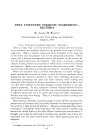
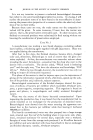
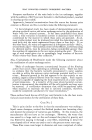
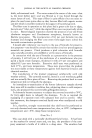
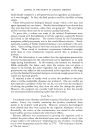
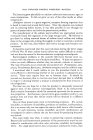
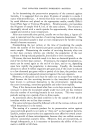
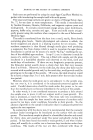
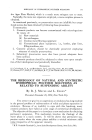
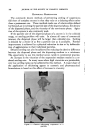
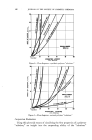
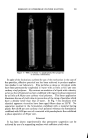
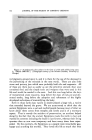
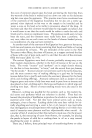
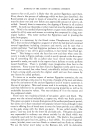
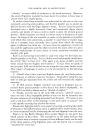
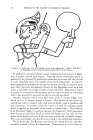
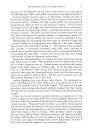
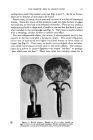
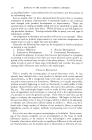
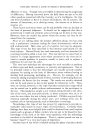
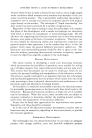
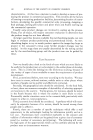
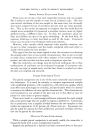
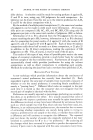
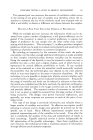
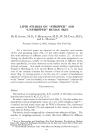
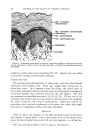
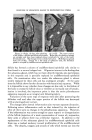
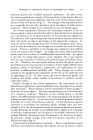
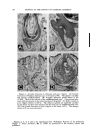
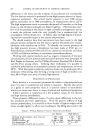
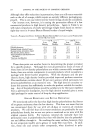
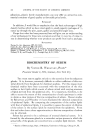
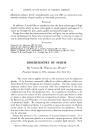
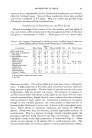
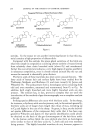
198 JOURNAL OF THE SOCIETY OF COSMETIC CHEMISTS ..... • .'.*' -•!• ? '•:•r.."* * :""• • •*' •'•*"• *:•'• •' ...... '•:'* ::. .•,.'.- :•'. ---'•,": • ,i,....., ' '"' ..' .... .... ... • ' .,•., .. . '...., :•,.- :•,• ß ..'.% .. L.::' '-' .. !.: '* '"" " ' "?' '"' ' :. ' :•.•'t.: '"'. ½Z.i • .... ¾ ..% '"..%..-,:.-.v',. .' :. ? :-• .... ' ...... '•-' ....... :•.": ....... t ..,' ' ' *' .... -' : ....... :• . ' &. ..'•* ."--:%¾' *:it :,.t-- •,•-: ß: • ........ • ......... ,.. ' , ..%,• ..',- .. . .... ............. . t"'" '" **' " '"'"::"--'-'t** ¾ .'-•.:-.:.',:.•,""•..-:•*'.'•.-'.4..-',i•".r.:--'*•:•, .,.., -- /:c.?:.:.. ,•..... :- --' * :'::'"-'. '•.:' ...... ß q'.,,4*• .• '.:t.,,•"-..• ,½ ' •.- '' ' ? •' .-*/' 2'..*- •"' -,.-*".'.. .?. •-%.. ,--..., .•. :- .:...,.•': ß /'""'* }.":!i,'. :: . . :,..?:..... •. } .. ---•, .... :•:. •.- ..,.,..'.'-½- .•,.'.•.,• -.• , .. . ,'. .•..•_.,: ..•. -•: ..- . '..- - , •... : .: Figure 6.--Comedo formation in chloracne and acne vulgaris. (A) Comedo formation in Halowax-induced acne of the back (X40). The gland is atrophic and mostly undifferentiated. (B) Atrophic sebaceous gland shown in 8A (X109). Most of the cells are of the undifferentiated type. A few nature seba- ceous cells are present in the central portion of the gland. (C) Early comedo in acne vulgaris (cheek) (X221/2). The sebaceous glands are markedly atrophic for the cheek and have been replaced for the most part by undifferentiated cells. (D) Late comedo formation in acne vulgaris on the cheek (X21). The changes shown in 8C are more advanced. Figures 2, 3, 4, 5 and 6 are reproduced from "Pathologic Patterns of the Sebaceous Gland," •. Invest. Dzrmatol., 30• 51 (1958) by permission of the authors, editors and publishers.

HIGH DENSITY POLYETHYLENE BOTTLES 199 aimed at comparing the size of sebaceous glands. Uninvolved follicles must be measured in this type of study. REFERENCES (1) Strauss, J. S., and Kligman, A.M., 5 e. Invest. Dermatol., 30, 51 (1958). (2) Kligman, A.M., Unpublished data. (3) Pinkus, H., .4. M..4. Atrch. Dermatol. Syphilol., 67, 598 (1953). (4) Montagna, W., "The Structure and Function of Skin," New York, Academic Press, Inc. (1956). HIGH DENSITY POLYETHYLENE BOTTLES By EDW^RD J. TEMPLE* Presened November 20, 1958, New York City POLYETHYLENE SQUEEZE bottles have been with us for more than ten years and they have served us well. We have seen them used as dis- pensers, dropper packages, spray packages, and containers for bulk ship- ments. They have been used with a wide variety of products from cosmet- ics to household items, pharmaceuticals to basic chemicals. The recent development of linings applied to the interior surfaces of polyethylene con- tainers has expanded the number of products which can successfully be packaged in plastic. But a second development which has been of great interest throughout the packaging industry was the introduction of bottles produced of high density polyethylene. These bottles offer great opportunities for a whole new field of bottle applications and a tremendous expansion of the plastic bottle industry. I think we can understand the enthusiasm of container manufacturers if we examine the high density resins and what they con- tribute to the container field. DESCRIPTION OF RESINS First, let us define what is meant by high density polyethylenes. We use the term "high density" to describe polyethylenes in the density range of 0.941 to 0.965. This density range constitutes the Type III resins defined in the Tentative Specification for Polyethylene Molding and Extrusion Ma- terials, ASTM D1248-$ST. Why is a 0.94 or 0.96 density considered high? Basically because it represents a completely different polyethylene from the earlier types at approximately 0.92 density which became avail- able to us after World War II. The difference in density is small but the * Plax Corporation, Hartford, Conn.
Purchased for the exclusive use of nofirst nolast (unknown)
From: SCC Media Library & Resource Center (library.scconline.org)