308 JOURNAI, OF THE SOCIETY OF COSMETIC CHEMISTS suggested as a nonaqueous solvent for chlorine releasing compounds such as chlo•oamide, an antimustard gas protective (3). The rights to develop glycerol triacetate and related glycerides as chemotherapeutic agents have been assigned to the Wisconsin Alumni Research Foundation at Madison. The Foundation now has a number of patent applications on these develop- ments. BODY OF REPORT A few years ago, in my laboratory, there was a research project aimed at studying the over-all kinetics of the formation of ketones from triglycerides by Penicillium roqueforti. The oxidative conversion of fatty acids to a 2-ketone with the concurrent loss of the carboxyl group is a reaction unique to Penicillium roqueforti and since these ketones are responsible for the characteristic aroma and flavor of mold ripened cheese, it is a reaction of considerable economic importance. In many experiments the enzymatic hydrolysis of the triglyceride and the oxidation of the newly liberated fatty acids would proceed nicely at first only to have the oxidative part of the reaction stop with rather sudden abruptness. It took some time to deter- mine that this happened only when two events coincided: the fatty acids had to be liberated from the triglyceride faster than they were oxidized and the buffer capacity of the medium had to be poor enough at pH 6.8 so that a pH of around 5.0 was aftained. Under these conditions the fatty acid existed largely in the nondissociated form and the cessation of oxidation was a consequence of the well-known fungicidal activity of fatty acids in acidic environments. For the time being then our interest changed from the over-all reaction to the first step: the enzymatic liberation of fatty acids fi'om triglycerides by the lipases. The enzymes involved here are the well-studied lipases or esterases which hydrolyrically split the ester bonds between fatty acids and glycerol. Since these esterases are abundantly present in most of the common saprophytic fungi it seemed reasonable to assume that in the presence of a trig}yceride of a fungistatic fatty acid the mold would virtu- ally inhibit or kill itself. The use of such a triglyceride instead of the free fatty acid as a fungistatic agent seemed to offer some advantages: the glyceride is neutral, relatively odorless, much more potential acid than free acid could be used, and even after hydrolysis the pH would not be lower than around pH 4 where the esterase should become inhibited. This reasoning was put to test in the laboratory in different ways using different triglycerides and a number of saprophytic fungi and found to be true. However, in practical tests none of the glycerides proved effective enough to warrant further work at the moment: we cannot explain this lack of activity under practical tests. We assumed also that the dermatophytic fungi would be inhibited by

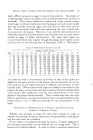
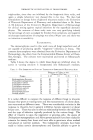
THERAPEUTIC POTENTIALITIES OF TRIGLYCERIDES 309 triglycerides, since they are inhibited by the fungistatic fatty acids, and again a simple laboratory test showed this to be true. We then had formulations or dosage forms of glycerol triacetate made in the University of Wisconsin Department of Pharmacy and submitted them to Dr. Sture A.M. Johnson of the University Hospitals Department of Dermatology for clinical testing against typical infections by the superficial dermato- phytes. The outcome of these early tests was very gratifying indeed the percentage of cures as judged by freedom from symptoms and negative microscope examinations of scrapings was about 90 per cent and there was no irritation or sensitivity. EXPERIMENTAL The dermatophytes used in this work were all fungi imperfecti and all are capable of producing specific "ringworm" infections or tineas. The common dermatophytes were obtained from the University Department of Dermatology, the others from the Communicable Disease Center at Cham- blee, Georgia. The cultures were maintained and tested on Sabouraud's medium. Table I shows the degree to which these fungi are inhibited when tri- acetin in varying amounts is incorporated into Sabouraud's medium. T•,BLE 1.--THE INHIBITION OF FUNGI BY TRIACETIN IN SABOURAUD'S DEXTROSE AGAR Diameter of Colony in mm. Triacetin, Per Cent Fungus 0 0.05 0.1 0.25 0.5 Epidermophyton floccosum 57 40 19 3 0 Trichophyton mentagrophytes 84 81 66 12 0 Trichophyton rubrum 71 73 59 9 0 Trichophyton tonsurans 34 29 17 5 0 Trichophyton verrucosum 21 13 11 0 0 Microsporum audouini 80 71 52 7 0 Microsporum canis 79 73 37 14 0 Microsporum gypseum 74 70 47 20 3 Candida albicans 20 22 20 16 9 It is rather difficult to compare the response of different fungi to triacetin because they grow at varying rates and the measurements of colony diam- eter were made at different times. There was considerable variation in the response to triacetin, but in general inhibition became apparent at about 0.1 per cent. There was also no obvious relationship between the inhibition and the type of infection typically produced by the various fungi. The effect of triacetin is upon the vegetative or growing cells the spores of Trichophyton mentagrophytes and Microsporum audouini have been soaked in triacetin for twenty-four hours and •were able to germinate when washed and placed on nutrient medium. Two independent attempts have been made to induce certain dermatophytes and Candida a/bicans to grow in
Purchased for the exclusive use of nofirst nolast (unknown)
From: SCC Media Library & Resource Center (library.scconline.org)