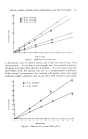
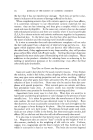
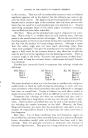
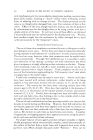
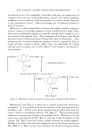
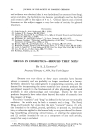
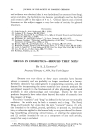
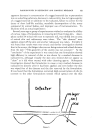
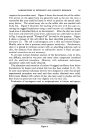
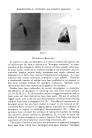
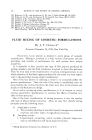
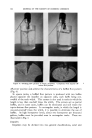
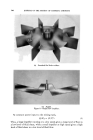
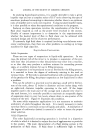
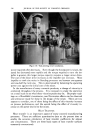
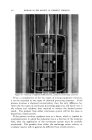
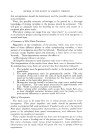
RADIOISOTOPES IN DETERGENT AND COSMETIC RESEARCH 323 ":?•:'• •, •:g• ."-,,..•'...::: '. "'•':"' :-• .. . .,} •,• •,:t, })2 ,• -- •t}}•.'½ ........ (' ,.• . ,..,..•.:.,,. ::. t• •v• :."..?'":" ::•' :q ,•T.. a• :..• ... :•"' -:: '" "• .... :. ... •:i•,.•:•.-----• ...... : ..... • ....... . . •..:•, .•..•. -• .5' ..• ..- .- ,:27'•" ..... . :•: .• ...... :-a .:. ...... . .. ::,..: •... .•. •-•.• ' •: .... .?•': _ ...... .,... :" , . ..... :- ,..,.,. ' • 3. •" :'•"•' ':•& ?-:3, .V ß • ":' :•-i: ' '"' :?- .:• ..... Figur%•. In studies conducted with carbon-14 tagged detergents on human hair, casein and gelatin, the effect of pH, solution concentration and exposure time as well as condition of the substrate (as altered by chemicals) has been determined (5). By exposing hair fibers to solutions of tagged detergents with subsequent preparation of autoradiographs, the mode of penetration of these compounds into the hair fiber has also been followed (5). It is pertinent here to point out that extreme care must be taken in the preparation of autoradiographs associated with human hair or skin. It is possible to cause "exposure" of the film by the hair fiber itself with no radioactivity present, because of chemical reaction between the sulfur

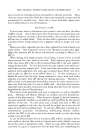
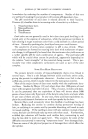
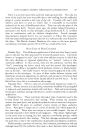
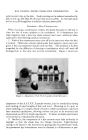
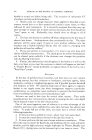
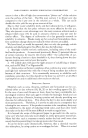
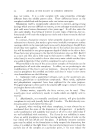
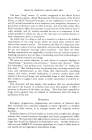
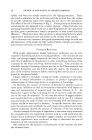
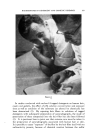
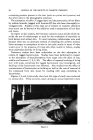
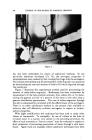
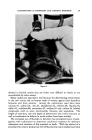
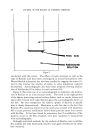
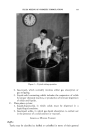
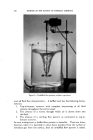
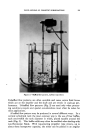
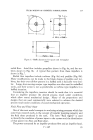
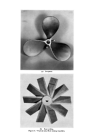
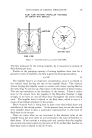
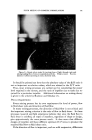
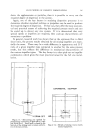
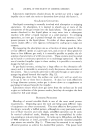
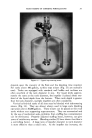
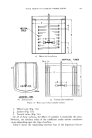
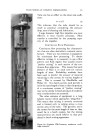
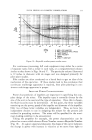
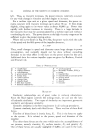
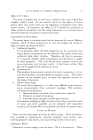
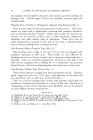
324 JOURNAL OF THE SOCIETY OF COSMETIC CHEMISTS containing proteins present in the hair (such as cystine and cysteine) and the silver salts in the photographic emulsion. The adsorption of sulfur 35 tagged dyes and the penetration of hair fibers by sodium bromide (tagged with bromine-82) has also been thoroughly in- vestigated (6). Studies of this type are of interest in cosmetic chemistry since much can be learned of the additives used in preparation of hair dyes and rinses. In respect to skin studies, the literature contains many articles which de- scribe the use of radioisotopes as tools for the evaluation of materials on both human and animal skin. In most instances, radioisotopes were used because there was no alternate method of obtaining the answers desired. Since attempts to extrapolate in vitro or test tube results in terms of what would occur in the presence of living cells often results in failure, studies were undertaken directly on living tissue. Numerous studies have been undertaken on the skin adsorption of carbon-14 tagged bacteriostats. Studies have been performed in respect to the adsorption of hexachlorophene from soaps onto the skins of rats, rabbits and humans (7, 8, 9, 10). The effect of repeated washing of living skin with soaps containing the tagged bacteriostat was investigated, and build-up of the bacteriostat was followed. Also studied was the effect of concentration of bacteriostat on build-up as well as the rate of removal of the compound from skin tissue by washing with soap containing no bacteriostat. Figures 3, 4 and 5 pictorially show how this type of study was conducted on animal skin. These pictures, taken during an actual experiment show --'."• t.,,..•.• •:•:?,,,4•,,•. •,'&:•'•,t• ff•"•'• •t}• :'. :.7..,• --- . .... : •--' • -q.•.: ...... .'•--. ... • •: .•.• :.•... - .. • ..... - .a?½ '•. •. .•: ß • •.. •._. .... .r:...:.: ß '2•!•5- '.-.7 :.. ß • ':'.'¾)?,' .3• % L:-':' ' .•.g.. ....• L-• -.. %. :.:A.,•:.L..3::...•:•. ... ............... ...'... ................ •.•.. "" ' " ß . . ....... .... ...•,...e• ........ . ,.•:5•.. ........ ::..: -.• ..... :.... ......... : ":' --•i•7'•:•.•4:• .":'•i5•5Z"•..•::::•.':• :'.::5•+,= ::• .: ".'7.':"::: Figure 3.
Purchased for the exclusive use of nofirst nolast (unknown)
From: SCC Media Library & Resource Center (library.scconline.org)