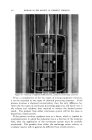
RADIOISOTOPES IN DETERGENT AND COSMETIC RESEARCH 3:21 apparent decrease in concentration of a tagged material due to penetration into an adsorbing substrate, decrease in radioactivity due to hygroscopicity of a tagged material or substrate to be evaluated, failure to correct for the decay of short half-life nuclides, metabolic decomposition of the tracer compound by animal bodies, and improper use of instrumentation. To illustrate with an actual experiment: Several years ago a group of experimenters wished to evaluate the ability of various types of formulations in removing dirt from living skin. Amor- phous carbon 14 mixed with soot to represent soil, was rubbed into an area of animal skin and radioassays were taken. The "skin cleaners" were applied, wiped off the skin and another radioassay was taken. Initially it was found that results were very erratic and further investigation showed that in the assays, the Geiger tube was not being maintained a fixed distance from the skin--"The geometry of the system was not constant." At the "conclusion" of the experiment it was noted that one formulation showed high eflSciency in removal of dirt as was shown by a marked decrease in radioactivity, although visually the skin area treated did not appear as "clean" as it did when treated with other cleansing agents. Subsequent investigation showed the formulation to cause a very marked decrease in radioactivity directly after it had been applied and even before the skin was wiped free of the cleanser and the dirt removed by the formulation. It was found that the formulation contained high concentrations of oils (in contrast to the other formulations tested) which spread over the skin

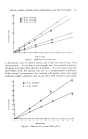
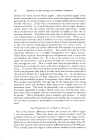
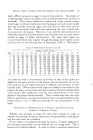
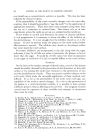
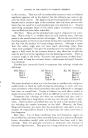
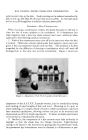
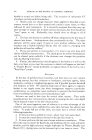
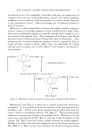
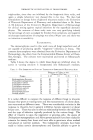
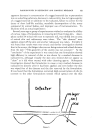
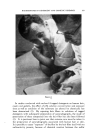
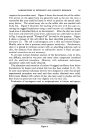
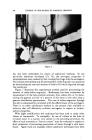
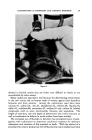
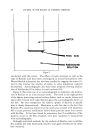
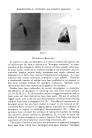
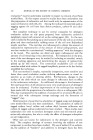
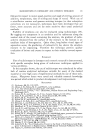
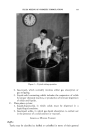
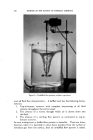
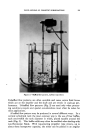
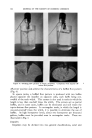
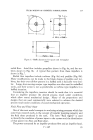
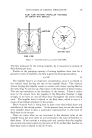
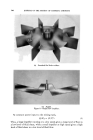
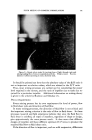
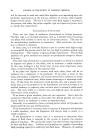
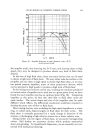
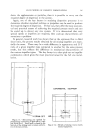
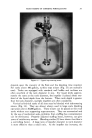
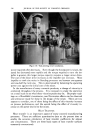
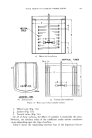
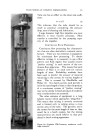
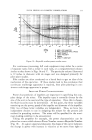
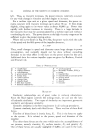
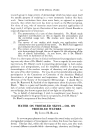
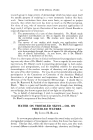
322 JOURNAL OF THE SOCIETY OF COSMETIC CHEMISTS surface and were not readily removed by the wiping procedure. These oils acted as adsorbers for the weak beta particles emitted from the carbon 14 and the radioassay taken after wiping was low due to this adsorption. This effect of the oils is illustrated in Fig. 1. Consequently the formulation containing the oils appeared to be a better cleanser. Other formulas, not possessing materials which would act as adsorbing layers for the radioactive particles, gave a performance rated in proportion to their actual cleansing efficiency. There have been other instances in advertising literature where experimental techniques have cast doubt on the validity of the results. It is obviously very necessary that good experimental design be used and the limitations of the studies be fully realized before attempts are made to draw broad conclusions on results obtained. COSMETIC RESEAr•CH With proper experimental design radiotracer techniques can bc very valuable in furnishing solutions to existing problems. Use of carbon-14 and other radioisotope tagged compounds has aided in determining the meta- bolic fate of additives to formulations in order to facilitate clearance of the materials by the Food and Drug Administration (2). This procedure of metabolic tracing is becoming common practice in the Pharmaceutical and Chemical Industries, and the F.D.A. generally desires the procedure as part of the evidence necessary before condoning the internal use of a com- pound by the general public. Closely related to metabolic tracing are studies conducted on the lower animals to obtain information on products or product ingredients for substantiation of advertising claims or acquisition of knowledge. To illustrate, the amount of retention of formulation additives such as tooth decay inhibitors as well as formulations themselves with respect to time and concentration of material used, has been followed (2, 3). An illustration is given in Fig. 2, showing the use of tracers to study the reten- tion of this type of compound. In this case the carbon-14 tagged additive was incorporated into a dentifrice formulation and by use of a trimmed mascara brush, the teeth of white rats were brushed with the formula in a manner similar to that used by humans. At specific intervals after treat- ment the animals were sacrificed, the oral tissues were cornbusted and sub- sequent radioassay showed the amount of retention of the test material. Another example of this type of experiment is the tracer study conducted for a manufacturer of a vaporizing ointment used as a cold medication (4). Using tritium (radioactive hydrogen) tagged camphor and menthol in the ointment, experiments were conducted on dogs to determine the rate of inhalation of the vaporizing ointment. Also studied was the duration of volatilization of the aromatic oils from the ointment base.
Purchased for the exclusive use of nofirst nolast (unknown)
From: SCC Media Library & Resource Center (library.scconline.org)