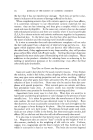
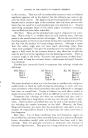
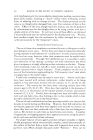
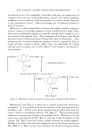
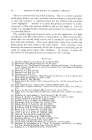
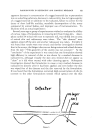
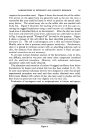
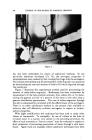
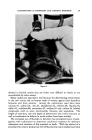
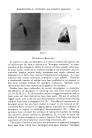
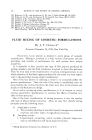
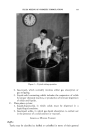
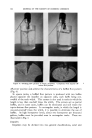
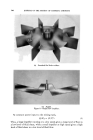
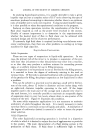
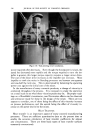
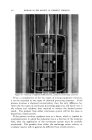
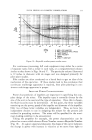
RADIOISOTOPES IN DETERGENT AND COSMETIC RESEARCH 327 Figure 6. devised to furnish results that are either very difficult to obtain or are unattainable by other means. Many studies are reported in the literature for determining retentiveness in the oral cavity and on human teeth of various agents from dentifrice formulas and from solution. Among the radiotracers used have been calcium-45, iodine-131, zinc-65, phosphorus-32, chlorine-38, flourine-18, sulfur-35, rubidium-86, potassium-42, sodium-24 and carbon-14 labeled compounds such as urea, nicotinanide, thiourea and acetamide. The length of retention, rate and depth of penetration into tooth structure as well as localization in defects in tooth surface have been studied. The increased use of fluorides in dentistry has prompted many investi- gations with radiotracers to determine conditions necessary for optimum adsorption and retention of this material on teeth. With the advent of a procedure for reactor production (15) of fluorine-18, many studies have been

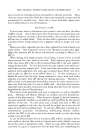
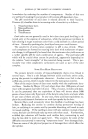
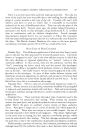
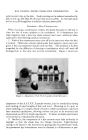
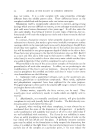
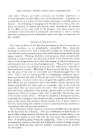
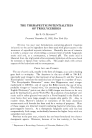
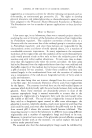
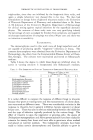
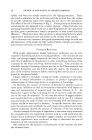
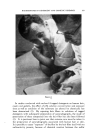
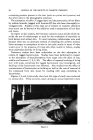
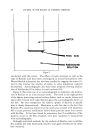
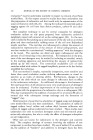
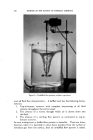
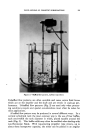
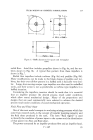
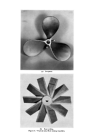
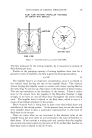
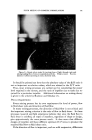
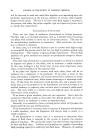
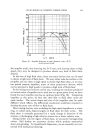
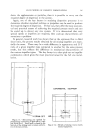
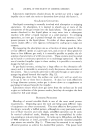
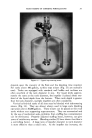
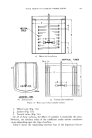
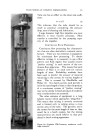
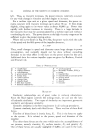
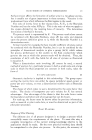
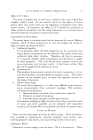
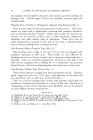
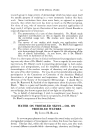
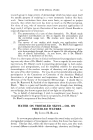
328 jOURNAL OF THE SOCIETY OF COSMETIC Ci-IEMISTS WATER FROG SKIN RADIOIODINE SOLUTION Figure 7. conducted with this tracer. The effect of tooth structure as well as the type of fluoride used have been investigated in several formulations (16). Dental fluoride adsorption has also been studied by tagging the cation (7), and in this manner the relation of cation to anion adsorption could be determined. Autoradiographs also have been prepared showing localiza- tion of the fluorine 18 in defects in tooth surfaces (16). Figure 8 illustrates use of an autoradiograph to determine the localiza- tion of fluorine on an intact human tooth. The tooth in the right portion of the figure, possessing natural surface defects such as cracks, lesions and spots when treated with radio fluorine, gave the autoradiograph shown on the left. By inter-comparison the relative uptake of fluorine in specific sites is clearly demonstrated. Resolution is only fair due to the fact that fluorine-18 is a positron emitter and the tooth was covered with aluminum foil to cause positron annihilation before these particles came into contact with the film. It has been found by experience that if annihilation of the positron occurs in the film emulsion, very poor resolution is encountered with autoradiographs. Although analytical methods for the analysis of fluorine were available, the analysis was only moderately sensitive and again interference by other ions occurred.
Purchased for the exclusive use of nofirst nolast (unknown)
From: SCC Media Library & Resource Center (library.scconline.org)