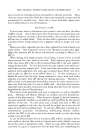
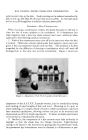
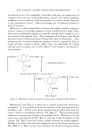
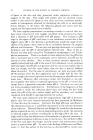
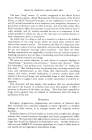
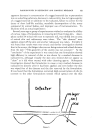
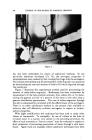
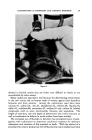
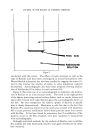
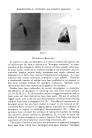
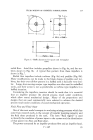
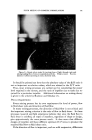
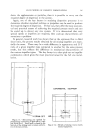
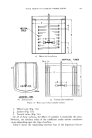
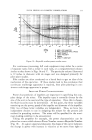
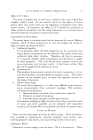
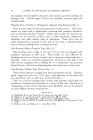
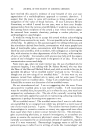
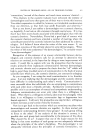
348 JOURNAL OF THE SOCIETY OF COSMETIC CHEMISTS : •. . • -- ............ •:,i,:,.:•,•i•,!•e.v• • •'•.• .... • ..:.• :: • • •2 ' x Fibre 14.•Side-entering mixer installation. power required often decreases. Even though the horsepower is raised, the speed has decreased more rapidly and the torque required to turn the im- peller is greater, this larger torque capacity requires a larger mixer drive. The cost of the mixer drive increases as the impeller size increases. Most impeller to tank size ratios in blending processes are between one-quarter and one-half the tank size. This is determined by balancing the operating power cost against the initial cost of the mixer. In the manufacture of many cosmetic products, a change of viscosity is evidenced throughout the process. It is necessary to study the operation on a small scale to see what these viscosity peaks may be. By proper read- ings on a Brookfield viscosimeter, non-Newtonian effects can be observed and allowance made for these in the design of the mixer. There are two aspects to consider, one of them being the effect of this viscosity increase on process performance, and the second being the effect of viscosity in- crease on the power drawn by the mixer. HEAT TRANSFER Heat transfer is an important aspect of many cosmetic manufacturing processes. There are su•cient quantitative data at the present time to enable the accurate calculation of heat transfer coe•cients for almost any circumstance. There are three basic types of heat transfer surfaces commonly encountered:

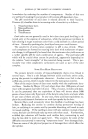
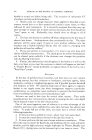
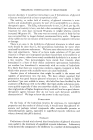
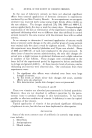
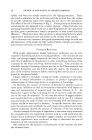
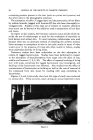
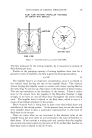
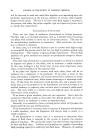
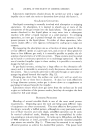
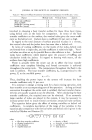
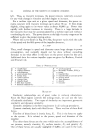
FLUID MIXING OF COSMETIC FORMULATIONS 349 HELICAL• COILS d (a) Helical coil installation. VERTICAL TUBES S½• .,.- • JACKETED TANK (b) Jacketed tank. (c) Vertical tube installation. Figure 15.--Basic types of heat transfer surfaces. 1. Helical coils (Fig. 15a). 2. Jackets (Fig. 15b). ß 3. Vertical tubes (Fig. 15c). On all of these surfaces, the effect of variables is essentially the same. However, the absolute value of the coefficient under certain conditions varies depending upon the type of surface. Table 1 shows the relationship between four of the important factors
Purchased for the exclusive use of nofirst nolast (unknown)
From: SCC Media Library & Resource Center (library.scconline.org)