332 JOURNAL OF THE SOCIETY OF COSMETIC CHEMISTS (22) Ridenour, G. M., and Armbruster, E. H.,/lm. y. Public Health 42, 138 (1953). (23) Ridehour, G. M., and Armbruster, E. H., Soap & San. Chem., 28, 83 (1952). (24) Lambert, J. M., Nucleonics, 12 (2), 40 (1954). (25) I.ambert, J. M., unpublished studies. (26) Hensley, J. W., et al., y./lm. Oil Chem.'Soc., 32, 138 (1955). (27) Nuclear--Chicago Corporation, Chicago, Ilk (28) Hensley, J. W., personal communication. (28) Harris, J. C., Kamp, R. E., and Yanko, "Application of the Radiotracer Technique to Metal Cleaning," ASTM Bulletin No. 158, May, 49 (1949). FLUID MIXING OF coSMETIC FORMULATIONS By J. Y. Onr)suE* Presented November 20, 1958, New York City EFFECTIVE VLUID MIXING is desired in every phase of cosmetic manufacture. Mixing is involved in a wide variety of processes and the principles and criteria of performance for each process have unique properties. It is desirable to first consider the type of flow pattern produced by mixing impellers and the fluid mechanics involved in these flow patterns. Then we may look at the requirements of various mixing processes to see which elements of the fluid regime produced by the mixer are most impor- tant in the particular process under consideration. One of the key factors in selecting a mixer is to accurately define the process specifications. Once the role of the mixer is established, then we may examine the various functions the mixer may have in the process and decide on the final process design. As an aid in setting up mixer specifications, it is of interest to review various quantitative specifications to examine the effects of mixing vari- ables in these processes. One of the basic classifications of mixing processes is into the number and type of phases being contacted. Thus, we may first classify mixing processes into the following areas: A. Single-phase systems 1. This includes blending of miscible liquids, homogeneous chemical reactions and other types of single-phase processes. B. Two-phase systems 1. Liquid-liquid contacting, which includes physical dispersions such as emulsification and liquid-liquid extraction. * Mixing Equipment Company, Inc., Rochester 11, N.Y.

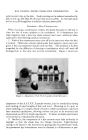
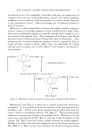
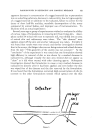
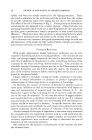
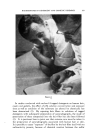
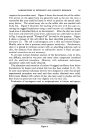
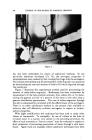
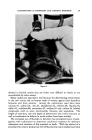
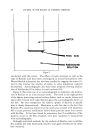
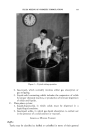
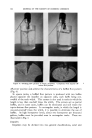
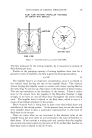
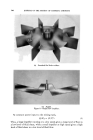
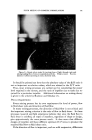
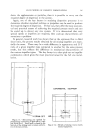
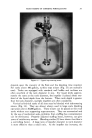
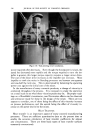
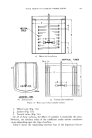
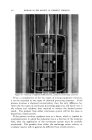
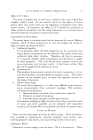
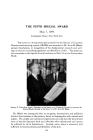
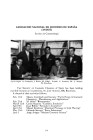
I•LUID MIXING OF COSMETIC FORMULATIONS 333 Figure 1.--Typical mixing operation. C. 2. Gas-liquid, which normally involves either gas absorption or gas-stripping. 3. Liquid-solid contacting which includes the suspension of solids for proper chemical reaction, or production of intimate dispersion of solids and liquids. Three-phase systems 1. Liquid-liquid-solid, in which solids must be dispersed in a liquid-liquid emulsion. 2. Gas-liquid solids, in which gas-liquid absorption is carried out in the presence of a solid catalyst or reactant. G•mv.^u M•x•rc T•ov.¾ Baffles Tanks may be classified as baffled or unbaffled in terms of their general
Purchased for the exclusive use of nofirst nolast (unknown)
From: SCC Media Library & Resource Center (library.scconline.org)