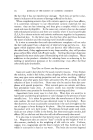
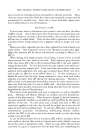
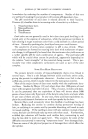
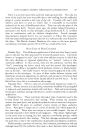
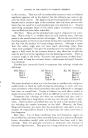
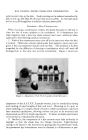
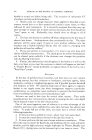
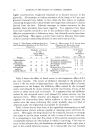
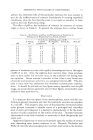
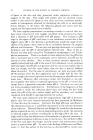
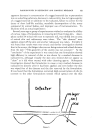
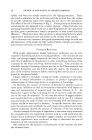
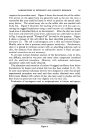
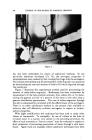
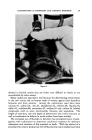
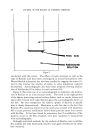
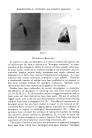
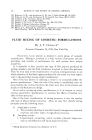
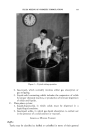
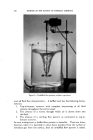
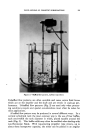
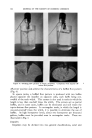
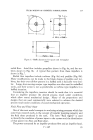
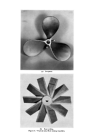
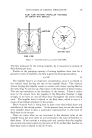
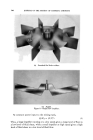
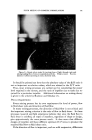
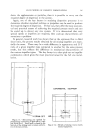
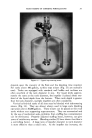
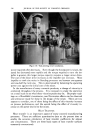
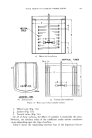
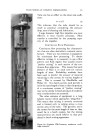
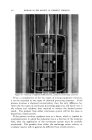
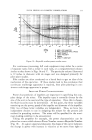
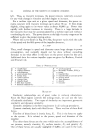
358 JOURNAL OF THE SOCIETY OF COSMETIC CHEMISTS are equipped with propellers ordinarily, but may be used with turbines for scale-up work. Various types of drives are available, constant speed and variable speed. Propeller Type, Portable or Permanently Mounted Top-Entering (Fig. Z) There are two types of units used, gear drive or direct drive. Gear drive mixers are often used in applications requiring high pumping capacities, such as blending and heat transfer. Direct drive mixers are used for op- erations not so sensitive to flow, such as solid dissolution, dispersions, emulsions and other similar types of operations. These units may be either permanently mounted on the side of the tank, or fixed-mounted with or without stuffing boxes or mechanical seals. Side-Entering Mixer, Propeller Type (Fig. 150 Side-entering mixers range in size up to 25 hp. and are equipped with propellers operating at 420 r.p.m. These mixers are very effective for blending operations and heat transfer, and in operations where high flow is desirable. They are normally permanently mounted on the side of the tank and are equipped with a stuffing box or a mechanical seal, and may be gear driven or belt driven depending upon the requirements of the plant. Top-Entering Turbine Type Mixers (Fig. 15) These mixers operate in ranges from three horsepower and up. Common speed ranges are from 56 to 125 r.p.m., although they can be used with any speed from 161/2 to 420 r.p.m. with 1750 motors. They are normally equipped with turbine type impellers, which give the mechanical characteristics desirable in a mixer of this size. By means of change gears, mixers of this type have much flexibility and can be adapted to many different process requirements. REFERENCES (1) MacMullin, R. B., and Weber, M., Jr., Chern. Met. Eng., 42, 5 (1935). (2) Oldshue, J. Y., and Gretton, A. T., Chern. Eng. Prog., 50, 12 (1954). (3) Oldshue, J. Y., Hirschland, H. E., and Gretton, A. T., Ibid., 52, 11 (1956). (4) Rushton, J. H., Costich, E. W., and Everett, H. J., Ibid., 46, Part l, 395 and Part lI, 467 (1950). (5) Rushton, J. H., and Oldshue, J. Y., ?bid., 49, 4 (1953).

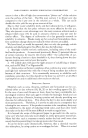
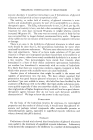
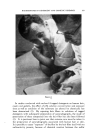
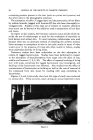
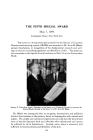
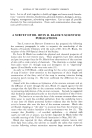
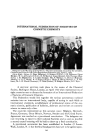
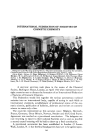
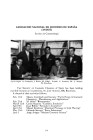
THE FIFTH SPECIAL AWARD May 7, 1959 Commodore Hotel, New York City THE SPECIAL AWARD presented annually by the Society of Cosinetic Chemists and carrying a prize of $1000, was awarded to Dr. Irvin H. Blank, eminent biochemist, in recognition of his fundamental research and writ- ings on factors controlling suppleness and flexibility of skin. The presenta- tion was made at the Special Award luncheon on May 7th at the Commodore Hotel. .- .. •.. -2. •,- ,• '•i•..L..'•'%, :..:.• •....t'...... ...... ,•: ':•Sg:'....... '" :" '"' ':'5:::•' ::' .... - . . '•: • . ½-- .:-': ß : ...• ..... ß. ' ...,•• :::, -' .: .•* .. ..... .: .- ß Savery F. Coneybear (right), President of the Soc•r¾ or Cos•nc C•s•s, presents the Annual Special Award of the SotleerY to Dr. Irvin H. Blank. Dr. Blank was among the first to recognize, demonstrate and publicize the fact that moisture is the primary factor in keeping skin soft, smooth and supple. His simple and conclusive experiments proved that the keratinized layer of the skin becomes hard and inflexible when dehydrated and cannot be softened by oil or humectants. Instead, water alone is necessary and sufficient to restore softness and flexibility of the skin. 359
Purchased for the exclusive use of nofirst nolast (unknown)
From: SCC Media Library & Resource Center (library.scconline.org)