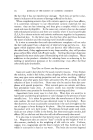
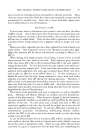
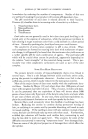
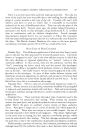
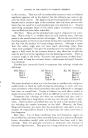
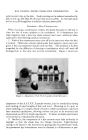
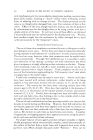
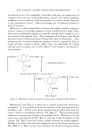
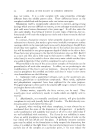
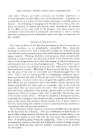
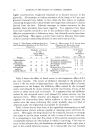
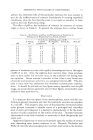
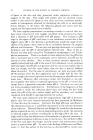
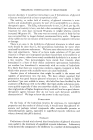
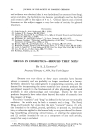
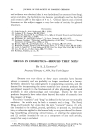
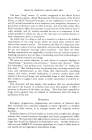
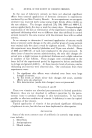
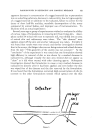
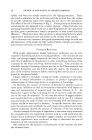
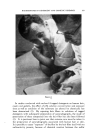
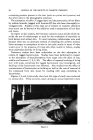
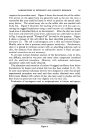
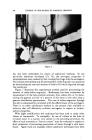
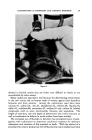
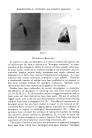
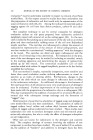
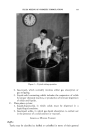
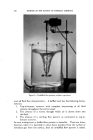
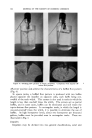
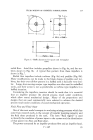
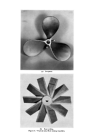
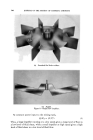
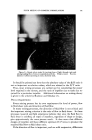
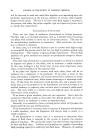
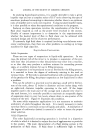
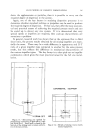
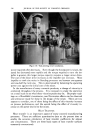
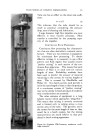
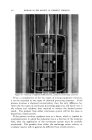
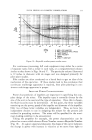
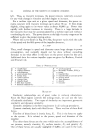
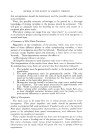
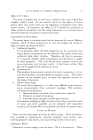
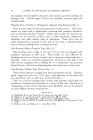
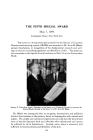
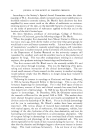
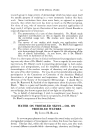
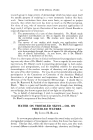
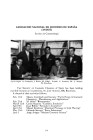
RADIOISOTOPES IN DETERGENT AND COSMETIC RESEARCH 325 stepwise the procedure used. Figure 3 shows the shaved skin of the rabbit. The section on the upper back was generally used as the test site since a reasonably flat area could be found on which to position the special radio- assay device. The actual assay site on the rabbit skin was marked with India Ink. Figure 4 illustrates the washing of the skin with the soap con- taining the tagged bacteriostat using a small section of a cellulose sponge (used since it adsorbed little or no bacteriostat). After the skin was rinsed with water and dried with a hair dryer, radioassay was undertaken as shown in Fig. 5 using the special "Flowgas Cell" devised for this purpose. Figure 6 shows a closeup of this cell which has been described previously in the literature (7). The cell is advantageous over a thin and window Geiger- Mueller tube in that it possesses much greater sensitivity. Furthermore, since it is placed in intimate contact with an adsorbing substrate such as skin, the distance from detector to radioactive source is fixed and geo- metrical corrections are not necessary. In all cases normal chemical analysis of the bacteriostat, even in vitro, was difficult, sensitivity was poor and many other compounds interfered with the analytical procedure. However, with radiotracer techniques, adsorption values were easily obtained. The adsorption and retention of carbon-14 tagged emollients from lotion formulations by human and animal skin has also been studied (5, 11, 12). In some cases special radioassay devices were designed in order that proper experimental procedure was used and that results obtained were valid. Cold cream labeled with carbon-14 has also been used in studies and has been found to penetrate only very slightly into the skin (12). Evaluation of astringents used as antiperspirants in lotions and sprays Figure 4.

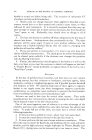
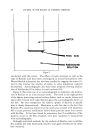
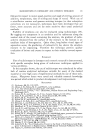
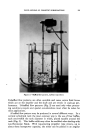
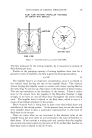
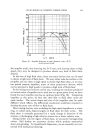
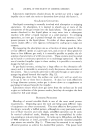
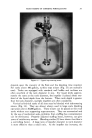
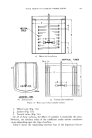
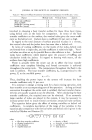
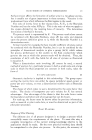
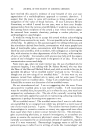
326 JOURNAL OF THE SOCIETY OF COSMETIC CHEMISTS Figure 5. 't has also been undertaken by means of radiotracer methods. In one particular technique developed (13, 14), the astringent properties of antiperspirants were studied by first treating live frogs with the astringent. The animals were pitbed and the permeability of the frog skin was measured by determining the rate and amount of iodine-131 which migrated through the membrane. Figure 7 illustrates the experimental method used for determining the amount of radio-iodine migration. Radioassay has been undertaken by measurement of the beta particle emission from iodine-131, or by deter- mining the gamma activity of a portion of the water in the tube using a gamma scintillation spectrometer. The rate of iodine migration through the skin is subsequently correlated with the effectiveness of the astringent. There is no other satisfactory method at the present time available to industry that will effectively evaluate astringents in respect to antiper- spirant properties. With slight modifications this technique has been used to study other classes of compounds. To exemplify: by use of tritium in the form of tritiated water in a manner very similar to the preceding procedure, the effect of such materials as "barrier creams" may be evaluated in respect to their properties of preventing penetration of water through a skin mem- brane. Again these are examples where radiotracer techniques have been
Purchased for the exclusive use of nofirst nolast (unknown)
From: SCC Media Library & Resource Center (library.scconline.org)