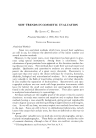
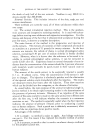
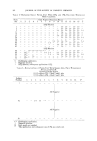
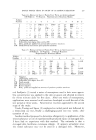
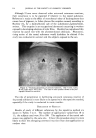
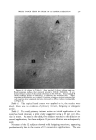
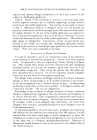
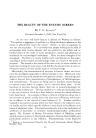
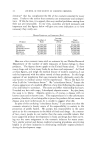
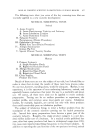
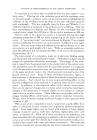
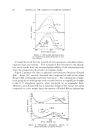
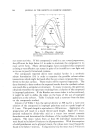
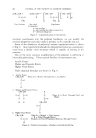
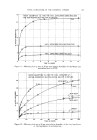
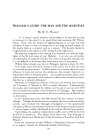
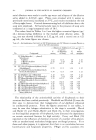
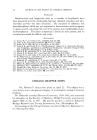
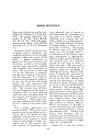
1NSULT PATCH TESTS IN STUDY OF CUTANEOUS REACTION 253 TAI•LE 4--REPEATED INSULT PATCH TEST WITH AN ANTIPEP, SPIll. ANT 100 Subjects: 91 Reacted. Representative Reactions Shown Subject Number 1 2 3 4 5 6 7 8 9 10 C 2 - lq- 2+ PMI+ 2+ PM- 1+ 2+ PM-- - -- 5 .... 1-4- 2+ PM- - - 15 - 1-½ 2+ 2+ PM- - 1-4- 1-4- lq- lq- - 26 F FF l-4- 1-4- 2+ PM .... 35 ..... 1-4- lq- lq- - 7l - - FF FF FF FF FF lq- - 75 - F 1+ 2+ PM-- FF 1+ 2+ R - - 94 FF 1+ 2+ 2+ PM- 2+ PM- -- -- C Challenging application. F Folliculitis, less degree than symbol FF. R Rest, patch not applied on account prior positive reactions. PM Patch moved on account prior positive reactions. TABLE 5--REPEATED INSULT PATCH TEST WITH AN ANTIPERSPlRANT 50 Subjects: 23 Negative. 3 Allergic Reactions Representative Reactions Shown Subject Number I 2 3 4 5 6 7 8 9 10 C 2 11 14 19 28 31 44 48 lq- 1+ 2q- PM - - 2+ 3+RP - 1+ lq- 1+ 1+ 1+ lq- -- - lq- lq- 1+ 2+ 2+ PM- -- - F F FF FF lq- 1+ - -- 2+ PM- 2+ PM2+ PMi+ 1+ 3+RP - - FF lq- 1+ lq- 1+ - 2+ PM- 1+ 2+ PM2+ R 1+ 1+ 2+RN 2+ PMI+ 1+ 1+ 1+ 1+ 2+ PM2+ 3+RP -- Negative. C Challenging application. F Folliculitis, less degree than FF. PM Patch moved. RP Retest positive. RN Retest negative. R Rest patch not applied on account of previous positive reactions. and Smiljanic (1) tested a series of mercaptans used in hair wave agents. Use concentration was applied to the skin on gauze and allowed to remain for thirty mh•utes daily fbr five days. After one week of nonexposure, applications were resumed until reactions developed or until the end of the test period at three weeks. Sensitization reactions appeared in the second stage of the study. Traub, Tusing and Spoor (2) employed an initial patch test followed by a three-week use test, finally a challenging patch test two weeks after cessation of use. Another method proposed to determine allergenicity is application of the tested substance at site of experimentally produced injm y or damaged skin. I have had no experience with this method. The rationale is that a damaged skin facilitates cutaneous allergy. It appears unrealistic since the tested substance may not be used on a damaged skin. Moreover,

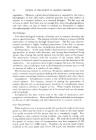
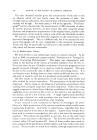
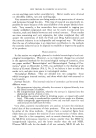
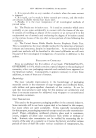
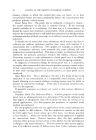
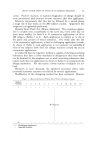
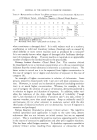
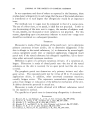
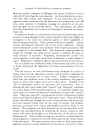
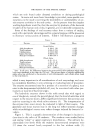
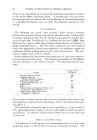
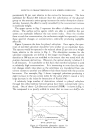
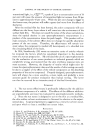
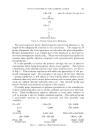
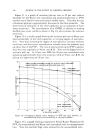
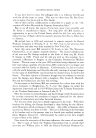
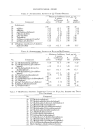
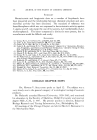
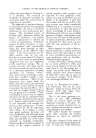
254 JOURNAL OF THE SOCIETY OF COSMETIC CHEMISTS TABLE 6--REPEATED INSULT PATCH TEST WITH AN AGRICULTURAL INSECTICIDE 5•O AquEous EMULSION of 50 Subjects Tested: 44 Subjects--Negative, 6 Showed Allergic Reaction Subject Number 1 2 3 4 5 6 7 8 9 10 11 12 C 21 ........... 44-* 26 .......... 24- 34- * 37 ......... 14- 24-PM 34-* 38 ........... 44-* 41 ........... 44-* 46 ........... 44- *# * Delayed positive appeared 24 hours after removal of patch. PM Patch moved to different site. # Re-tested 2 mos. later--open patch test 3 drops: 24-. what constitutes a damaged skin? Is it mild redness such as a sunburn, sca•ification or mild and transitory redness (freezing) such as caused by ethyl chloride or more severe reaction such as produced by a vesicant? It is not exactly known what degree of damaged skin facilitates develop- ment of cutaneous allergy. If severe reaction is required on an appreciable number of subjects the method would not be practicable. Primary Irritant Reaction Closed Patch Test. This reaction elicited by closed patch to (a) a minimum concentration or to (b) use concentration indicates that the tested substance is inherently a cutaneous irritant. The latter action in actual use is to be expected from higher concentration in the case of category (a) or degree and duration of exposure in the case of category (b). An example of higher concentration is solution of dichromate. Some persons tested by closed patch with 1 per cent will show cutaneous reac- tion. However, in actual use its dermatitis potential (excluding sensitiza- tion) is at much higher concentration. Whereas, for example, in the case of category (b) solution of soap or of kerosene, dermatitis potential is in relation to degree and duration of exposure. In addition, other vari- ables the tolerance of the skin--high threshold of irritability ("tough skin"), low threshold of irritability ("sensitive skin") dry skin, winter or summer weather, more than usual exposure. Soap as ordinarily used (3) and kerosene (4) (or other solvents) in moderate contact with the skin (the hands of industrial workers) are not dermatitic but are if exposure is excessive and prolonged. Fatigue Reaction (Cumulative primary irritant action): The repetitive method (provided each application is made to the same site), detects substances that are not irritants on initial contact but are on repeated contact. This is manifested by positive reactions appearing early or late in the comse of consecutive applications and after prior negative reactions. This has been called fatigue reaction. It doubtless represents cumulative primary irritant action resulting from depression or exhaustion of the
Purchased for the exclusive use of nofirst nolast (unknown)
From: SCC Media Library & Resource Center (library.scconline.org)