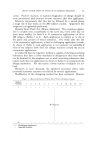
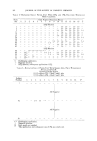
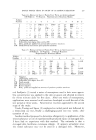
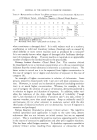
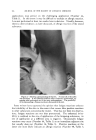
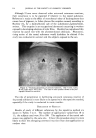
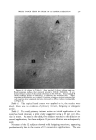
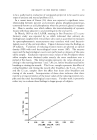
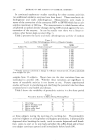
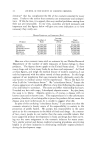
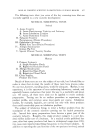
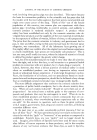
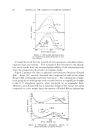
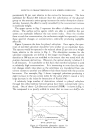
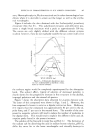
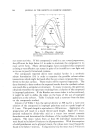
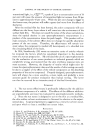
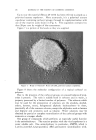
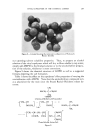
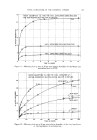
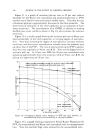
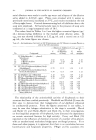
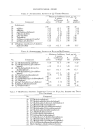
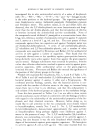
INSULT PATCH TESTS IN STUDY OF CUTANEOUS REACTION 257 Number 37, Table 6). I have frequently observed all negative reactions from many substances concomitantly tested with the fatiguing agent. Enhanced irritability of the skin is more likely to result from pronounced allergic reactions or from adhesive reactions at multiple sites of tests. Fatiguing reactions can be held back in the repetitive method by omit- ting an application (symbol R in Tables 4, 5) or by changing its location to an immediate adjacent site (symbol PM in Tables 4, 5, 6). Figure 2.--Showing 4 phis allergic reaction on subject in Table 6. The reac- tion was delayed appearing 48 hours after removal of the patch. It comprised pronounced redness wi th swelling and vesicles. Allergic Reaction: These usually comprise strongly positive reactions (Fig. 2). I do not believe a one plus reaction (Fig. 3--Site A) is likely to represent an allergic reaction. Allergic reaction may appear as early as the fifth application or later, or initially on the challenging application. They may appear gradually (Table 5) or suddenly (Table 6). Their ap- pearance before the challenging application (Table 6) makes unnecessary the latter application. In this event it is advisable to terminate the study. As aforementioned, additional evidence of allergic reaction may com- prise strongly positive reaction at site different than the prior test also a flare-up at prior sites of application or delayed reactions (Table 6). Other Unoward Cutanous Reaction: These reactions as elicited by the repetitive method are folliculitis and dryness of the skin, as shown in Fig. 4. Folliculitis is expressed as punctate areas of redness centering around a follicle. This reaction is represented in Tables 4 and 5 by the symbols F and FF.

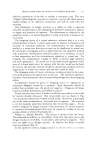
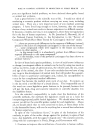
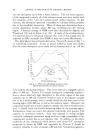
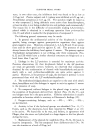
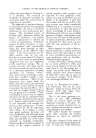
258 JOURNAL OF THE SOCIETY OF COSMETIC CHEMISTS Although I have never observed other untoward cutaneous reactions, their occurrence is to be expected if inherent to the tested substance. Reference is made to the effect of monobenzyl ether of hydroquinone that causes loss of pigment, to lichen planus-like eruption caused, according to Buckley (5), by a hydrochloride salt of the substituted p-phenylenedi- amines. This eruption is an occupational dermatosis occurring in workers exposed to developing solutions of color films. Buckley has reproduced this reaction by patch test with the aforementioned chemicals. Photosensi- tizing action of the tested substance would doubtless be elicited if the study was conducted in summer and the subjects exposed to the sun. Figure 3.--Snowing grac•auons ot posture reacuons. Site • was I plus, B was 2 plus and C was 3 plus. The sites of other patches shown in the pho- tograph showed no reaction. The role of perspiration in facilitating untoward cutaneous reaction of thq tested substance is more likely to be operative in the repetitive method, especially if the study is conducted in warm weather. DISCUSSION OF RESULTS Results of study of different substances by the repetitive method are shown in Tables 1 to 6. The number of applications varied from 10 to 15 the subjects used were 50 to 100. The application of the tested sub- stance was applied to the same site. I favor this procedure since it is more likely to elicit the aforegoing untoward reactions than does applications at random sites.
Purchased for the exclusive use of nofirst nolast (unknown)
From: SCC Media Library & Resource Center (library.scconline.org)