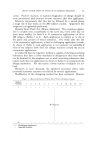
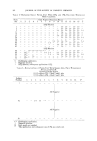
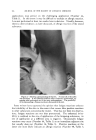
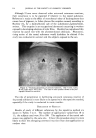
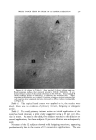
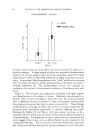
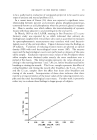
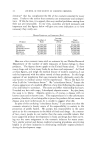
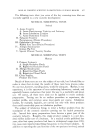
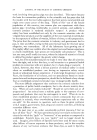
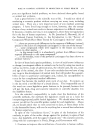
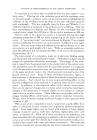
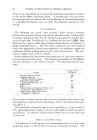
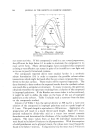
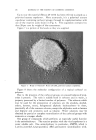
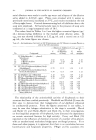
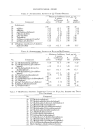
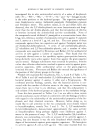
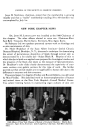
INSULT PATCH TESTS IN STUDY OI CUTANEOUS REACTION 259 Figure 4.--A subject in Tabl 4. Area marked A shows solitary and con- fluent punctate redness that centered around a follicle--folliculitis. It evi- denced irritant action of the tested substance on the follicles. Area marked B shows confluent lesions of fo!liculitis in addition, dry wrinkled skin. These reactions are distinctive, not typical, of primary cutaneous irritant reaction, but such reaction later appeared and was expressed as diffuse redness (comparable to Figure 3). Table I: The topical hand cream was applied as is, the results were ideal there was no evidence of primary initant, fatiguing or allergenic action. Table 2: To avoid primary irritant action on initial application of the waterless hand cleanser, a pilot study suggested using a 25 per cent dilu- tion in water. As seen in the table, five subjects reacted to this dilution on second application for these subjects 15 per cent dilution was subsequently used. Nineteen of the 52 subjects showed mild fatiguing reactions appearing predominantly late in the course of 15 consecutive applications. The one

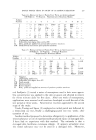
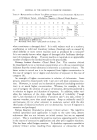
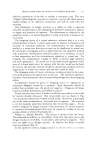
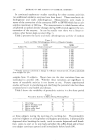
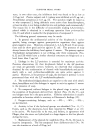
260 JOURNAL OF THE SOCIETY OF COSMETIC CHEMISTS plus reaction on the challenging application was not regarded suflqcient to designate allergic reaction. Moreover, prior reactions were of the same grade. Consistently, re-test two weeks later was negative. The fatiguing or dermatitis potential of some waterless hand cleansers in actual use is in relation to degree and duration of exposure and other circumstances already discussed the presence and amount of solvent usu- ally deodorized kerosene (contained in some). It is interesting that five subjects showed poor tolerance. The result of this study was more favorable than patch test study of several waterless hand cleansers reported by Goldman, Preston and Scheen (i3). Goldman observed primary irritant action from 8 per cent dilution and some allergic reactions. Table 3: Since sorbic acid is used as a bactericide 0.1 to 0.2 per cent in some cosmetics it was desired to know if it is allergenic and in what con- centration does it exert (under the test conditions) primary irritant action. On account of sparing solubility in water, hydrophilic petrolatum U.S.P. was selected as the vehicle for testing. Pilot study suggested using one per cent concentration. Forty-nine of 50 subjects showed no evidence of primary irritant, fati- guing or allergenic action. Only one subject reacted on the third applica- tion for this individual one per cent concentration is a potential primary irritant, this is doubtless consistent with results (in pilot study) using 2 and 4 per cent. These results suggest that in actual use, irritant potential is above one per cent and that there is a wide margin between its use con- centration in cosmetics and irritant potential. Table ¾: This study on 100 subjects of an antiperspirant fbr ten consec- utive applications showed unfavorable results. Fatiguing reaction ap- peared early and for some increased in intensity (Number 94 in table) this necessitated moving the site of the next application immediately ad- jacent to the prior one. A negative reaction at this new site (Number 94) opposed the 2 plus prior reaction as an allergic one. Other untoward reactions were folliculitis and dry wrinkled skin as already discussed and shown in Fig. 4. These reactions invariably eventuated into frank pri- mary irritant reactions. Negative reactions on challenging applications did not suggest allergenic action of the tested substance and was consistent with the aforementioned additional evidence. Table 5: Study of this antiperspirant was also unfavorable. The untoward cutaneous reactions were similar to the one studied in Table 4 although the incidence was less and they appeared later in the course of the consecutive applications. In addition, the study showed allergic reac- tion (subjects 2, 28, 48). Subject Number 44 is an instance where fati- guing reaction is not too clearly defined from allergic reaction. This necessitated re-test some weeks after challenging application. This was
Purchased for the exclusive use of nofirst nolast (unknown)
From: SCC Media Library & Resource Center (library.scconline.org)