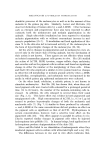
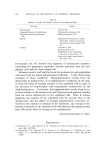
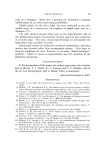
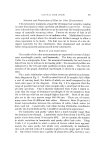
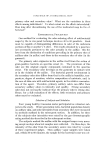
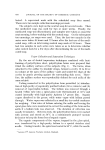
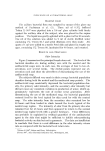
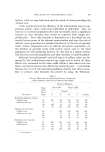
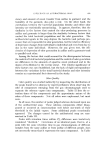
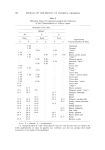
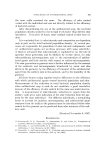
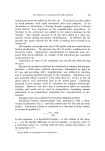
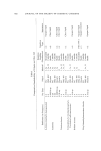
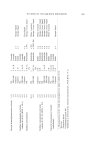
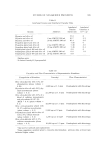
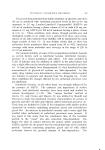
STUDIES ON NONAQUEOUS EMULSIONS 635 Table I1 Interfacial Tension and Interfacial Viscosity Data System Additives Interfacial Interfacial Tension Viscosity X (dynes/cm) 10 -4 s.p? Glycerin and olive oil Glycerin and olive oil Glycerin and olive oil Propylene glycol and olive oil Propylene glycol and olive oil Propylene glycol and olive oil Polyethylene glycol 400 and olive oil Polyethylene glycol 400 and olive oil Polyethylene glycol 400 and olive oil ß.. 17.2 0 2 mg AMPDb/100 ml 16.7 2.3 20 mg AMPD/100 ml 16.4 3.6 ß.. 7.55 0 2 mg AMPD/100 ml 7.45 5.0 20 mg AMPD/100 ml 7.45 6.4 ... 5.9 0 2 mg AMPD/100 ml 6.0 1.9 20 mg AMPD/100 ml 5.8 ... Surface poise. 2-Amin o-2-meth yl- l ,3-p r opaned iol. Table III Viscosities and Flow Characteristics of Representative E•nulsions Composition of Emulsion Viscosity a Flow Characteristics a Olive oil-in-glycerin with 1.0% tri- ethanolamine (phase volume = 0.58) Glycerin-in-olive oil with 5.0% gly- ceryl monostearate (phase volume = 0.5) Olive oil-in-glycerin with 5.0% of a blend of sorbitan monostearate and polysorbate 60 (87: 13) (HLB = 6.0) (phase volume = 0.5) Olive oil-in-propylene glycol with 10.0% sorbitan monostearate (phase volume = 0.5) Polyethylene glycol 400-in-olive oil with 2.0% sodium stearate (phase volume = 0.5) Olive oil-in-glycerin with 4,0% sorbitan monostearate (phase volume = 0.5) 4,800 cps at 1.5 rpm 22,200 cps at 1.5 rpm 32,600 cps at 1.5 rpm 2,900 cps at 12 rpm 1 • 340 cps at 12 rpm •' 10,600 cps at 1.5 rpm Pseudoplastic with thixotropy Pseudoplastic with thixotropy Pseudoplastic with thixotropy Pseudoplastic with thixotropy Pseudoplastic with thixotropy Pseudoplastic with thixotropy • See text for methods and explanations. b Some separation occurred prior to viscosity determination previous data at lower rpm indicated higher values.

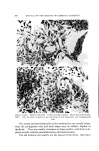
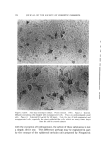
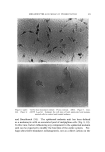
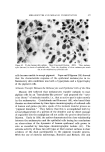
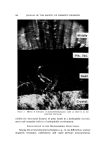
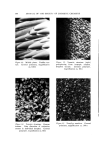
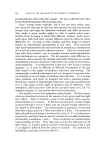
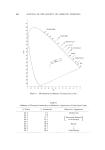
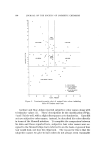
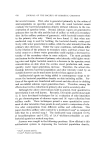
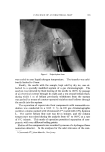
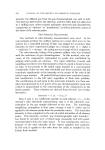
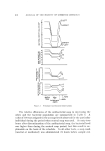
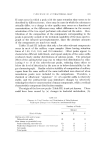
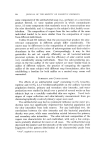
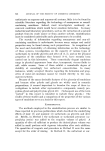
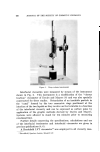
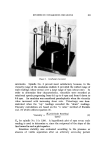
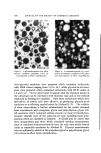
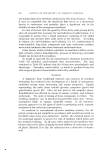
636 JOURNAL OF THE SOCIETY OF COSMETIC CHEMISTS !'... :"0---.. --/ -. .. :'•r ." •' .' •':•--,:'' :, i• • :.. qOoo:'o . ':!..:. ..... 0.---:(•_.•.'-.. . '. --::o--•-: : :.•::•:--:"'•o •. .... ' ' ' .? • ':'•i:" '. '. -: .... 30 •' "-"'•' .... ":: :":" :• -•---"•-' "• • "i. ' ..... Figure 3. A photomicrograph of an oil-in- glycerin emulsion containing 1.0% tri- ethanolamine at 240X magnification :{' '•,.. •: •. . ß ': ...•,,•}:•:•. .:'• .'!-':?: •!•:: .:.• ' •: •. _•. '"• •.•:.. :.•...• .•. •?' *"•.-.'r? 5': :.:.• •:• ...... .:.... . ::T• ' :' ' .::•:.. .:•. , .•. : . [•:• . ... ß '•' ': "'%:x:½ :C' :... - ":' •:"" ...... . .... '""' :.. :. :: .... :• • ,,•:•.., •'•'.:' ...2,• '".'•:' '•}:• ,..,::.• ...... .,y ...• ,, :,,:. ..•. '" ' .:::' ':5 .... . :.. - :• (- .... :• •..:: ,:. :.:•: .. Figure 4. A photomicro•aph of a glyc- erin-in-oil emulsion containing •.0% glyc- eryl monostearate at 240X magnification oil-in-glycerin emulsions were prepared which contained surfactants with HLB values ranging from 1.8 to 16.7, while glycerin-in-oil emul- sions were prepared which contained surfactants with HLB values of 4.0 and 11.0. On the other hand, it appears that the chemical nature of the surfactant can be correlated with emulsion type and/or the method employed in forming the emulsion. Only those surfactants which were derivatives of stearic acid were effective in producing glycerin-in-oil emulsions or in effecting emulsification by Method II (3). The validity of these observations is further substantiated by the results obtained from experiments with propylene glycol and polyethylene glycol 400. All emulsions which contained sodium stearate or stearyl trimethylam- monium chloride were of the polyol-in-oil type, including those prep- arations which are classified as unstable. It should also be noted that these preparations and those which contained sorbitan monostearate alone or combined with polysorbate 60 were the only ones which formed stable or semistable emulsions by Method II. Glyceryl monostearate was not sufficiently soluble in the propylene glycol or polyethylene glycol 400 systems to effect stable emulsification.
Purchased for the exclusive use of nofirst nolast (unknown)
From: SCC Media Library & Resource Center (library.scconline.org)