J. Soc. Cosmetic Chemists, 20, 109-111 (Feb. 5, 1969) Bath Oil Adsorption According to Formulation R. OGURA, M.D., Ph.D., D. W. OWENS, M.D., and J. M. KNOX, M.D.* Synopsis--Eight experimental bath oil formulations with various combinations and concentra- tions of emulsifiers were studied in vitro to determine their adsorption onto keratin. The most effective preparation was 10% alkyl aryl polyether alcohol in mineral oil. The impor- tance of utilizing a proper dispersing agent, in its optimum concentration, in an appropriate type of oil, when preparing a bath oil formulation, was emphasized. INTRODUCTION The use of bath oils for widespread dryness of skin has become generally accepted (1-5). These oils are practical, convenient, and rea- sonably effective. Formulations of this type were made commercially available after it was found that mixing an appropriate surface active agent with oil gave the oil self-emulsifying properties (6). Studies of the relative effectiveness of various formulations have been few. Almost no attention has been paid to the importance of the specific dispersing agent or the selected oil. This paper investigates the role these agents play in relative adsorption of several experimental bath oil formulations. EXPERIMENTAL AND RESULTS Eight experimental formulations? were compared for oil adherence to keratin. These formulations consisted of various combinations and * Department of Dermatology, Baylor University College of Medicine, Houston, Tex. • Prepared for this study by the Texas Pharmacal Co., San Antonio, Tex. 109

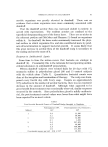
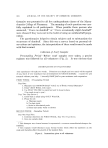
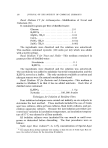
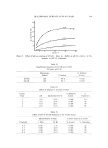
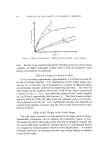
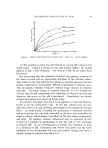
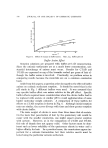
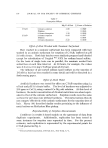
110 JOURNAL OF THE SOCIETY OF COSMETIC CHEMISTS concentrations of two emulsifiers (an alkyl aryl polyether alcohol* and polyethylene glycol 400 dilaurate$) in mineral oil or cottonseed oil. Table I Amount of Adsorption According to Formulation Oil Adsorbed Formulation mg/g Keratin 10% Alkyl aryl polyether alcohol •n mineral oil 15% Alkyl aryl polyether alcohol m mineral oil 10% Polyethylene glycol 400 dilaurate m cottonseed oil 15% Polyethylene glycol 400 dilaurate m cottonseed oil 10% Polyethylene glycol 400 dilaurate m mineral oil 15% Polyethylene glycol 400 dilaurate m mineral oil 10S Alkyl aryl polyether alcohol m cottonseed oil ] 5% Alkyl aryl polyether alcohol m cottonseed oil 63.3 -4- 2.? 58 9-4-3.0 51 3•2.0 4664--1.4 39 64--2.1 39 0-4-2.3 30 4•0.9 26.4 4-- 1.5 Average of four measurements :t:S.E. The amount of oil adsorbed by keratin was determined by the in vitro method described in a previous paper (7). Results are presented in Table I. Alkyl aryl polyether alcohol in mineral oil, the most adsorbed prepa- ration, was considerably superior to alkyl aryl polyether alcohol in cot- tonseed oil. Polyethylene glycol 400 dilaurate in cottonseed oil was more satisfactory than polyethylene glycol 400 dilaurate in mineral oil. None of the preparations containing polyethylene glycol 400 dilaurate was as effective as alkyl aryl polyether alcohol in mineral oil, but all were superior to alkyl aryl polyether alcohol in cottonseed oil. Both concentrations of the emulsifier produced similar results. Although 10% formulations were slightly better than 15% concentra- tions in all instances, the difference was not great. Five per cent con- centrations of the emulsifier were studied in some instances. They pro- duced irregular and inconsistent results that were usually inferior to the higher concentrations. * Triton X-45, Rohm & Haas Co., Washington Square, Philadelphia, Pa. • Polyethylene glycol 400 dilaurate, Armour Industrial Chemical Co., Philadelphia, Pa.
Purchased for the exclusive use of nofirst nolast (unknown)
From: SCC Media Library & Resource Center (library.scconline.org)