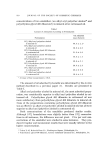
118 JOURNAL OF THE SOCIETY OF COSMETIC CHEMISTS pH Studies of the Scalp With the exception of the first six subjects, the pH of the scalp was determined with a Beckman Zeromatic pH meter equipped with a Beck- man 39182 combination electrode. This electrode has a flat tip which was pressed against the skin to record pH. Daily pH readings were ob- tained on each subject for five days. This was done before each scurf sample was taken. Three consecutive readings were made at equi- distant places on the scalp forming a straight line which began from the crown of the head and ended at a position just posterior to the frontal hairline. A drop of sterile saline was placed on the scalp, and the hair was parted to permit the electrode to make contact with the skin. For some subjects it was necessary to wait for one minute before a final read- ing could be made due to fluctuation of the needle. These studies were conducted to find out if any correlation exists be- tween scalp pH and dandruff. It also served as a basis for the pH of the isolation media. They were adjusted to the same pH as that of the individual scalp. If an organism were a member of the resident flora it should be able to grow better at the pH of the scalp upon which it was found. For the first six subjects pH 5.5 was used for isolation. It has been noted by Pillsbury and Rebell (14) that both normal skin organisms and skin pathogens grow well in the pH range of `5 to 6. This was also the estimated figure from a number of scalp pH surveys which were car- ried out using different methods and under varying scalp conditions (1,5- •8). Media for Isolation of Resident Flora Six basal synthetic media were used for isolation in all of the methods tried. The only variation in composition was the addition of a specific gelling agent for solid media. (See Techniques for Isolation of Resident Flora.) None of the media had a source of nitrogen. The only nitrogen available for the growth of resident flora was that present in the scurf. A simple source of carbohydrate was used in four of the media because it has been shown that 2% glucose is needed for optimum growth when keratin is the sole source of nitrogen (19, 20). The media were adjusted to pH `5.`5 or to that of the individual scalp as previously mentioned, using 0.1N H2SO4 or 0.1_N NaOH. The compositions of the six basal media were as follows: Basal Medium I for Yeasts--Modification of Kapica and Blank (19). It contained in grams per liter of distilled water:

FLORA OF SCALP AND DANDRUFF 11• Glucose ........................... 20.0 MgSO4' 7H•O ...................... 0. ,5 KH2PO4 .......................... 1.0 Novobiocin* ........................ 0.1 Griseofulvint ....................... 0. 025 To each liter was added 10 ml of a vitamin concentrate which con- tained in micrograms: Biotin ............................ 2.0 Thiamine hydrochloride ............ 400.0 Inositol ............................ 2000.0 The glucose salts and novobiocin were autoclaved in 980 ml of dis- tilled water. Griseofulvin (250 mg) was autoclaved in the dry form in a 100-ml volumetric flask. Sufficient water was added to make a volume of 100 and 10 ml was pipetted into the medium. The vitamin concen- trate was sterilized by filtration and was refrigerated until ready for use. Basal Medium II for Molds--Modification of Czapek Dox Broth (Difco). It contained in grams per liter of distilled water: Saccharose ........................ 30.0 K2HPO4 .......................... 1.0 MgSO4' 7H,,,O ...................... 0.5 KC1 ............................... 0.5 FeSO4 ............................ 0.01 Novobiocin ........................ 0.1 The ingredients were dissolved and the solution was autoclaved. Basal Medium III.for Bacteria--Modification of Czapek Dox Broth (Difco). The sugar and salts in this medium were the same as those in Medium II. The antibiotics used were 100 units of nystatin1: per ml and 0.025 g of griseofulvin per liter. The nystatin was added to the medium with a sterile syringe. * Novobio½in powder (Albamycin, sodium Lot. No. Sm-577) was supplied by the Upjohn Company, Kalamazoo, Mich. t Griseofulvin powder (Grifulvin, Lot No. 2214) was supplied by McNeil Laboratories, Fort Washington, Pa. • Nystatin (Mycostatin) was supplied by E. R. Squibb and Sons, New York, N.Y. It came in a sterile vial with 500,000 units of powder (List 5918).
Purchased for the exclusive use of nofirst nolast (unknown)
From: SCC Media Library & Resource Center (library.scconline.org)