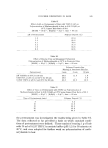
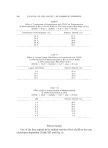
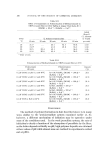
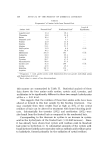
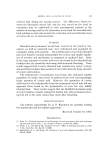
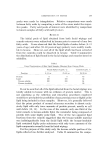
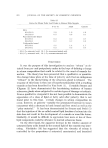
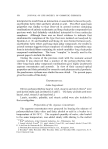
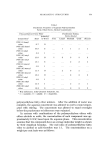
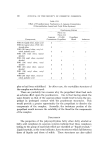
558 JOURNAL OF THE SOCIETY OF COSMETIC CHEMISTS Table II Frequencies a of Amino Acids from Frosted Hair Level of Amino Acid Frosted Hair •' Nonfrosted Hair • Significance Aspartic acid 17.4 18.4 Threonine 14.6 14.8 Serine 10.2 9.7 Glutamic acid 7.5 7.7 Proline 12.9 12.6 Glycine 18.2 17.8 Alaninc 21.1 21.7 Half-cystine 11.5 6.0 Valine 16.2 16.5 Methionine 201.0 162 Isoleucine 34.3 35.4 Leucine 15.6 15.8 Tyrosine 55.7 47.5 Phenylalaninc 58.6 57.5 Cysteic acid 11.5 298 Lysine 42.3 40.4 Histidine 137,0 123 Arginine 15.5 15.7 0.01 ß . . 0,01 ß . . ß . . 0.01 ß . , 0.01 ß . . ß . . ß . . Frequency = total /•moles amino acids found/gram dry hair/)•moles individual amino acid found/gram dry hair. Each value is a mean of two determinations. this manner are summarized in Table II. Statistical analysis of these data shows the four amino acids cystinc, cysteic acid, tyrosine, and methionine to be significantly different in these two sample hydrolyzates at the a = 0.01 level. This suggests that the residues of these four amino acids have been altered or formed in this hair sample by the frosting treatment. One may conclude from these results that as high as 50% of the cystyl residues of hair can be altered by treatment with home bleaching prod- ucts. Substantially less tyrosine (20%) and methionine (24%) were also found from the frosted hair as compared to the nonfrosted hair. Corresponding to the decrease in cystinc is an increase in cysteic acid in the hydrolyzate of the frosted hair (24-fold increase). Since it has already been shown that cysteic acid residues exist in bleached hair prior to hydrolysis (7, 8) substantial amounts of the cysteic acid found in these hydrolyzates must also exist as sulfonic acid residues prior to hydrolysis, formed primarily by the oxidation of cystyl residues.

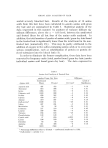
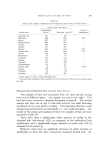
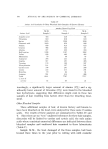
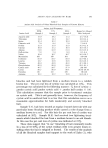
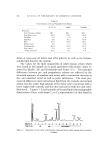
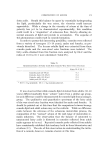
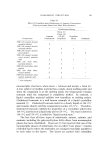
AMINO ACID ANALYSIS OF HAIR Table III A•nino Acid Analysis of Bleached and Unbleached Hair from the Same Person 559 umoles/Gram Dry Hair Nonbleached Amino Acid (Age 8? Level of Bleached (Age 15) • Significance •' Aspartic acid 452 447 Threonine 658 619 Serine •057 977 Glutamic acid 999 982 Proline 655 667 Glycine 471 474 AI anine 367 374 Half-cystine 1420 1283 Valine 496 493 Methionine 54 55 Isoleucine 244 244 Leucine 517 517 Tyrosine 184 181 Phenylalanine 132 137 Cysteic acid 40 131 Lysine 218 224 Histidine 64 68 Arginine 499 505 ß . 0 01 ß . ß . ß . 0 01 0 01 0.001 ß . . ß . . ß . . a Each value is a mean of four determinations. b The statistical analysis for these results is on the frequencies rather than on •moles/gram dry hair. Bleached and Unbleached Itair from the Same Person Two samples of hair were purchased from the same person, having been cut at different times. One sample was cut at age eight. This hair had never received a chemical damaging treatment. The second sample had been cut at age 15 and had received two mild bleaching treatments in the year prior to cutting. This bleaching effected a color change from ash brown to an ash blonde, i.e., very mild bleaching. The results of the amino acid analysis of these two samples of hair are sum- marized in Table III. These data show a significantly lower amount of cystinc in the bleached hair hydrolyzate (9%) as compared to the unbleached hair hydrolyzate, and a significantly larger amount of cysteic acid (131 as compared to 40 umoles/g). However, there were no significant decreases in either tyrosine or methionine as from the more extensively damaged frosted hair. In-
Purchased for the exclusive use of nofirst nolast (unknown)
From: SCC Media Library & Resource Center (library.scconline.org)