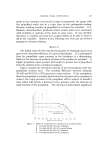
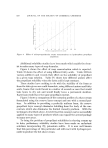
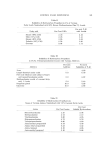
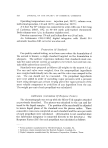
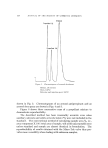
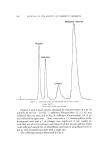
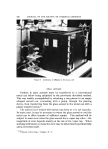
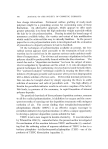
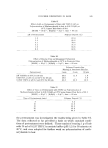
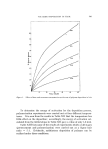
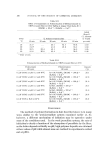
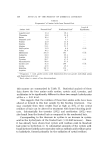
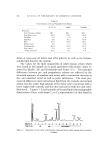
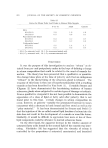
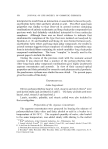
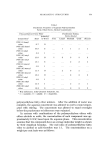
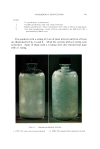
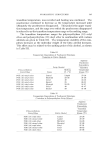
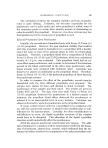
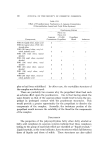
570 JOURNAL OF THE SOCIETY OF COSMETIC CHEMISTS Table II Fractionation of Lipid Samples from Males 6-11 Yr Adult Comedo Fraction Total hexane-soluble 100 100 Free fatty acids 24.0 24.0 Paraffins 2.6 1.3 Squalene 6.6 10.2 Wax 12.0 20.0 Stereol ester 4.9 2.2 Triglyeerides 36.0 31.3 Free sterol 1.0 0.6 "Polar material" 13.0 8.1 100 40.0 14 10 0 20 7 81 14 0 26 70 sition •f sebaceous oil before and after puberty as well as the hexane- soluble lipid found in the comedo. The values for the lipid components of adult human sebum which were found in this sample are in good agreement with similar values re- ported by Haahti (10) and Nicholaides and Foster (15). The principal differences bet•veen pre- and postpuberty sebums are reflected by the increased amounts of squalene and waxes witIt a concurrent decrease in free and esterified sterol as well as polar substances. The most pro- nounced difference observed between lipid from the comedo and normal sebum was the rather high amount of free fatty acid (concurrent with a lower triglyceride content) and the clear increase in both free and ester- ified sterol. Figures 1-3 are facsimiles of the gas-liquid chromatographic distribution of fatty acids from C• to C20 representative of that found in Figure 1. i C16:1 I• C14'0 • C16:1 C18:1 MINUTES 0 TEMP (C) 150 1•5 180 ISOTHERMAL Spectrmn of free fatty acid fraction obtained from adult human facial wipings (sebum)

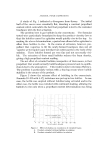
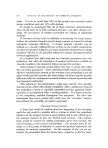
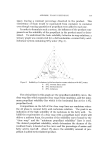
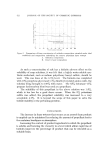
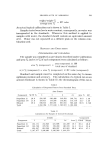
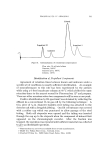
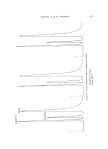
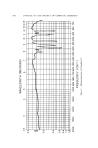
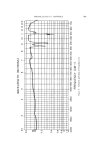
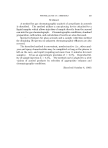
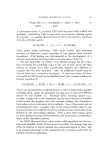
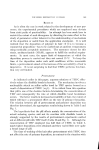
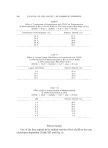
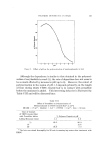
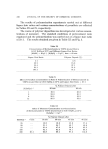
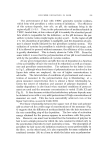
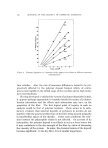
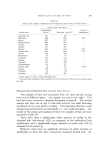
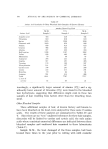
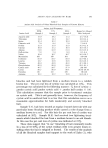
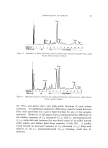
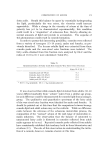
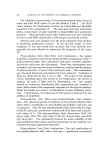
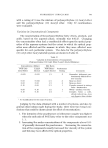
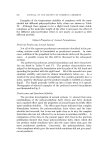
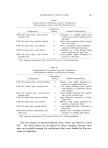
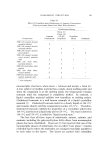
F•gure •. COMPOSITION OF SEBUM 571 C16:1 . C18=1 MINUTES 0 I 2 3 4 5 6 7 8 9 10 17 12 13 I , __• • 14 , • - [ i • • TE Mp (C) 150 165 180 • -- ISOTHERMAL •- Spectrum of fatty acids from the wax-sterol ester fraction obtained from adult human facial wipings (sebum) F•gure 3. C16:, C$6.. 1 C18:1 MINUTES 0 I 2 3 4 5 6 7 8 9 10 11 12 13 14 TEMP (C) 150 165 180 ISOTHERMAL Spectrum of fatty acids from the triglyceride fraction obtained from adult human facial wipings (sebum) the FFA, wax-sterol ester, and triglyceride fractions of each sebum analyzed. No significant qualitative differences could be found between fatty add spectrums for a given lipid fraction for any of the samples analyzed. However, it did appear that a semiquantitative difference in the relative amounts of C16 saturated (C16:0) and C•6 monounsaturated (C•6:1) adds did exist between the wax-sterol esters of so-called normal adult sebum and similar lipid from comedos (Table III). A similar trend toward an increased amount of C18 saturated (C•8:0) fatty add relative to its C18 monounsaturated (C•8:•) homolog could also be detected.
Purchased for the exclusive use of nofirst nolast (unknown)
From: SCC Media Library & Resource Center (library.scconline.org)