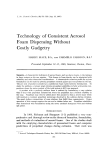
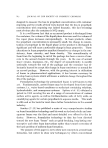
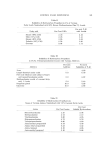
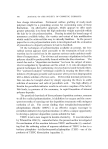
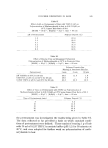
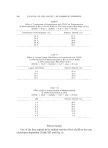
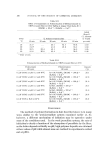
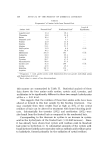
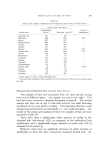
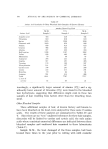
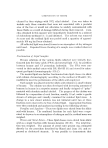
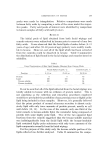
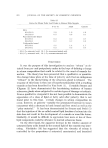
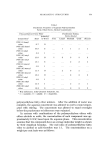
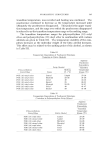
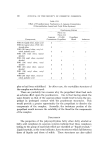
,569 JOURNAL OF THE SOCIETY OF COSMETIC CHEMISTS Table IV Amino Acid Analysis of Other Bleached Hair Samples of Known History /•moles/Gram Dry Hair M.M. T.N. M.K. Amino Acid Sample 1 Sample 2 Sample Aspartic acid 453 428 441 Threonine 640 616 620 Serine 1025 1006 1008 Glutamic acid 1020 950 968 Proline 659 623 623 Glycine 483 453 471 Alanine 377 353 363 Half-cystine 1289 1187 1082 Valine 490 466 462 Methionine 50 49 47 Isoleucine 248 231 231 Leucine 517 491 495 Tyrosine 178 185 187 Phenylalanine 144 137 141 Cysteic acid 200 291 286 Lysine 222 211 201 Histidine 70 64 61 Arginine 551 514 486 Total 8141 7797 7717 c/ loss of cystine 13 20 21 terestingly, a significantly larger amount of alanine (2%) and a sig- nificantly lower amount of threonine (6%) were found in the bleached hair hydrolyzate, suggesting that differences might exist in these two samples of hair resulting from factors other than the bleaching treat- ment. Other Bleached Samples Three additional samples of hair, of known history and known to have been bleached on the head, were analyzed for these same 18 amino acids. The results of these analyses are summarized in Tables IV and V. Since there are no "true" unaltered references for these hair samples, discussion will be limited to cystine and cysteic acid, the only amino acids where consistent numerical differences are indicated between these bleached samples and unaltered hair examined in these laboratories (Table V). Sample M.M., the least damaged of the three samples, had been treated three times in the year prior to cutting with mild cosmetic

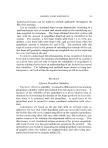
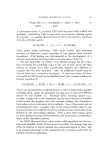
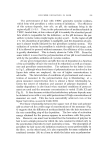
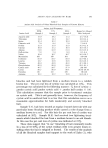
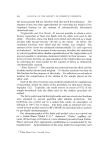
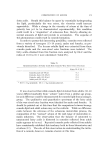
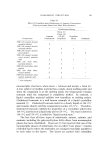
AMINO ACiD ANALYSIS OF HAIR Table V Amino Acid Analysis of Other Bleached Hair Samples of Known History 561 Amino Acid Amino Acid Frequency M,M. T.N. M.K. Range for Altered Sample 1 Sample 2 Sample 3 Hair Analyzed Aspartic acid 17. Threonine 14 Serine 10 Glutamic acid 7 Proline 12 Glycine 16 Alanine 21 Half-cystine 7 Valine 16 Methionine 163 Isoleucine 32 Leucine 15 Tyrosine 49 Phenylalanine 56 Cysteic acid 40 Lysine 36 Histidine 116 Arginine 16 18.2 14.4 10.2 8.2 12.5 17.2 22.0 7.4 16.7 159 33 7 15 8 45 6 56 9 26 7 36 9 122 15.2 17.5 17.7-18.8 14.2 13.9-14.4 10.0 9.6-10.3 7.9 7.9-8.3 12.3 11.9-12.5 16.4 16.4-16.7 21.3 21.6-22.0 8.0 6.1-6.4 16.7 16.0-16.7 164 149-163 33.5 32.0-33.2 15.6 15.5-16.2 46.3 47.2-50.1 54.9 55.1-61.1 27.0 202-367 38.4 36.81-39.04 128 99-129 15.8 14.6-16.1 bleaches and had been lightened from a medium brown to a reddish brown hue. The per cent loss of cystine was calculated at 13%. This percentage was calculated in the following manner: % loss of cystine = /•moles cysteic acid/umoles cysteic acid q- umoles half-cystine X 100. This calculation assumes that the sample prior to treatment contains no cysteic acid. This is not generally true however, the frequency of cysteic acid in unaltered hair is so low that this calculation serves as a reasonable approximation for both moderately and severely bleached hair. Sample T.N. had been treated at regular 2-month intervals with one particular home bleaching product which caused a color change from a medium brown to a red. For this hair the per cent loss of cystine was calculated at 20%. Sample M.K. had received two lightening treat- ments which bleached the hair from a medium brown to an ash blonde. In this case the per cent loss of cystine was indicated at 21%. These data suggest that "in use" bleaching of hair commonly results in a loss of 10-20% of the cystyl residues with even greater losses re- sulting when the hair is stripped or frosted. The results of the analysis of all the bleached samples lend support to the work of Zahn (1), who
Purchased for the exclusive use of nofirst nolast (unknown)
From: SCC Media Library & Resource Center (library.scconline.org)