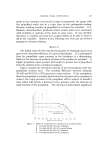
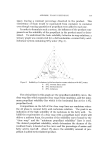
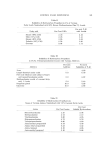
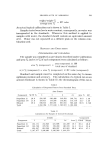
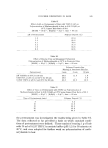
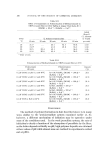
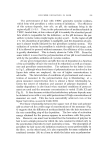
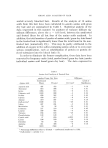
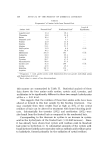
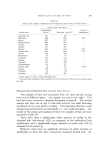
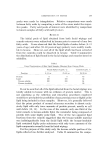
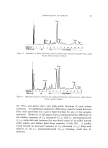
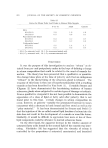
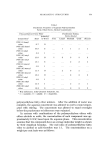
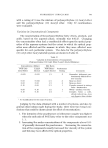
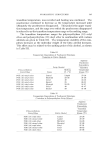
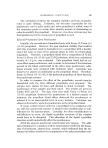
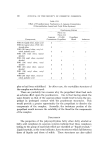
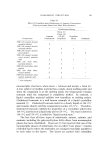
PEARLESCENT STRUCTURES 583 with a rating of 3 was the mixture of polyoxyethylene (4) lauryl ether and the polyoxyethylene (10) stearyl ether. Only 22 combinations were evaluated. Variation in Concentration of Components The concentration of the polyoxyethylene fatty ethers, alcohols, and acids, based on the aqueous phase, normally was 0.053/. Changing the concentration often had a considerable effect upon the optical prop- erties of the aqueous systems but the extent to which the optical prop- erties were affected and the manner in which they were affected were specific for each particular system. The data for the polyoxyethylene (10) cetyl ether-lauryl alcohol system are shown in Table II. Table II Variation in Concentration of Components (Polyoxyethylene (10) Cetyl Ether/Lauryl Alcohol Mixtures) Concentration (Molar) Mol Ratio POE (10) Lauryl POE Ether- Pearlescence Cetyl Ether Alcohol Lauryl Alcohol Rating Comments 0.025 0.025 1/1 3 Somewhat iridescent--pre- dominantly bluish silver- low viscosity 0.05 0. 025 2/1 3 Same as above 0.05 0.05 1,/1 3 Same as above 0.10 0.05 2/1 1 Complex present in stringy form--unattractive 0.05 0.10 1/2 1 White--medium viscosity 0.10 0.10 1/1 • Complex forms a solid, silvery cake at top--does not disperse when shaken a No classification for this type of system. Judging by the data obtained with a number of systems, and also by general observations made during the study, there were two broad con- clusions that could be drawn about the effect of concentration: 1. The intensity of the pearlescence or iridescence usually was highest when the tool ratio of POE fatty ether to the other components was 1:1. 2. Increasing the molar concentrations of the components above 0.05- M generally decreased the pearlescence. Increasing the concentra- tion of the components usually increased the viscosity of the system and this may have affected the optical properties.

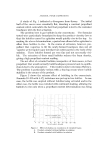
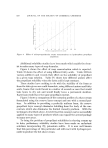
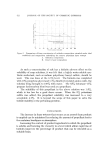
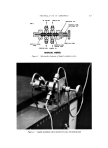
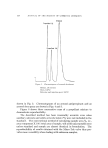
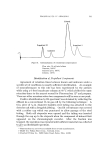
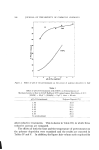
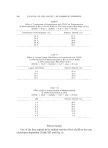
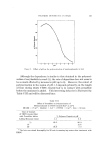
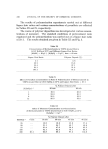
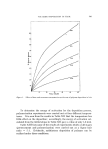
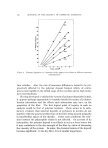
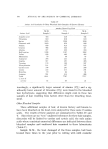
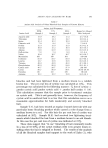
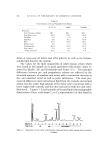
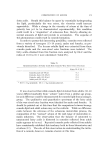
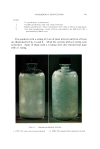
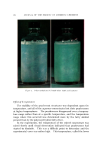
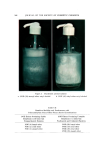
584 JOURNAL OF THE SOCIETY OF COSMETIC CHEMISTS Figure 2. P•dyoxyethylcne (4) lauryl ether lauric acid systems Effect of Temperature The stability of the peadescent structures was dependent upon the temperature, and all of the aqueous concentrates lost their pearlescence at higher temperatures. The pearlescence disappeared over a tempera- ture range rather than at a specific temperature, and the temperature range where this occurred was determined more by the fatty alcohol present than by the polyoxyethylene fatty ether. In the experiments, the temperature of the stirred concentrate was raised slowly until visual observation indicated that pearlescence had started to diminish. This was a difficult point to determine and the experimental error was rather high. This temperature, called the lower
Purchased for the exclusive use of nofirst nolast (unknown)
From: SCC Media Library & Resource Center (library.scconline.org)