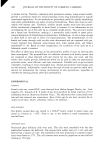
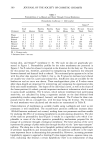
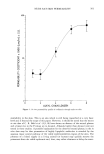
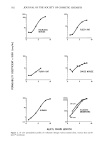
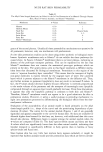
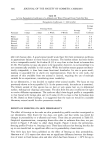
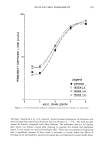
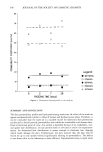
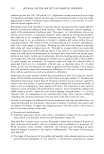
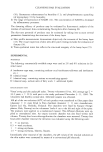
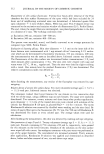
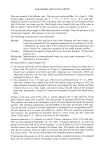
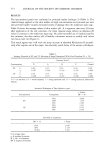
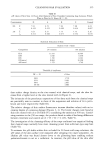
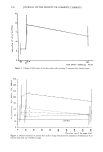
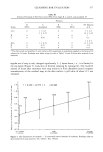
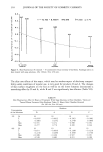
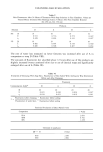
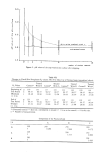
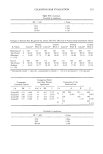
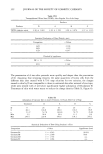
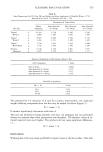
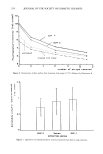
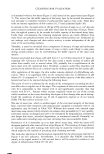
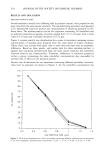
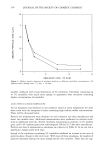
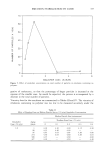
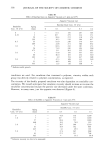
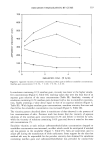
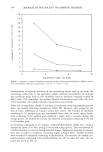
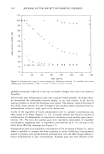
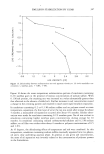
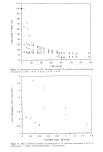
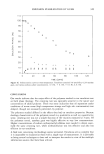
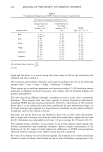
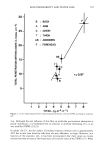
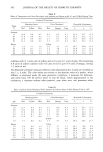
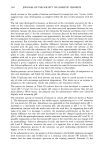
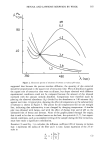
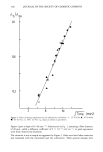
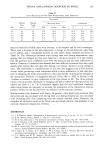
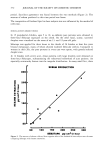
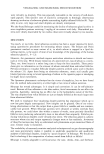
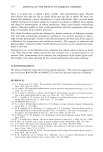
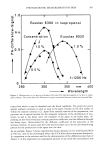
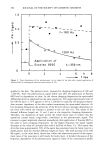
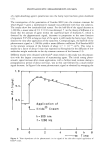
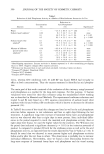
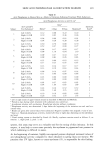
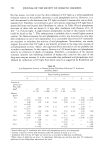
CLEANSING BAR EVALUATION 315 Table II pH values of Skin Sites 24 Hours After Removal of Finn Chambers Containing Soap Solutions Which Were in Place for 24 Hours (N -- 20) Concentration D A B C Control 8% • 7.93 6.53 7.94 7.98 6.24 Sx 0.419 0.453 0.490 0.434 0.607 2% • 7.63 6.37 7.75 7.75 6.16 sx 0.472 0.420 0.473 0. 354 0.615 Statistical Evaluation of Data Student t-test t values Comparison 2% solution 8% solution D/A 11.555 10.404 D/B 1.040 0.038 D/C 1.156 0. 363 D/Control 8.884 10.298 A/Control 1. 179 1.749 Thresholds of signijqcance: DF = 20 t Value 90% 1.729 95% 2.093 99% 2.861 99.9% 3.883 dent surface charge density at the sites treated with classical soaps, and the slow de- crease from a higher level at the sites treated with A (Figure 2). The irritancies of the petrolatum suspensions of free fatty acids from the classical soaps are practically zero in contrast to those of the suspension and solution of A in petro- latum and water respectively (Table III). The relative changes of skin surface fluorescence increase (absolute values) with an in- creasing degree of cutaneous damage (Figures 3, 4). The lowest changes were found at skin sites treated with A or D (Table IV), considering the emission at 450 nm. Consid- ering emission in the 350 nm range, the products listed in order of declining differences between treatment and control are A B D • C (2%, Table V). The investigation of the cleansing efficacy of the soaps confirmed our empirical finding that classical soaps normally have more cleansing power than surfactant-type soap bars (Table VI). To estimate the pH shifts within skin occluded for 24 hours with soap solutions, the pH values of the skin surface were measured after stripping (two male volunteers). An alkaline pH value was found almost down to the glistening layer enabling sodium palmirate/stearate to act as a surfactant. In contrast, the pH value of the skin after

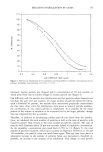
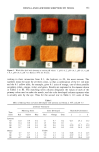
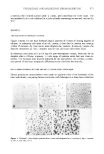
316 JOURNAL OF THE SOCIETY OF COSMETIC CHEMISTS I Figure 1. Change of pH values of the skin surface after washing 5 minutes with classical soaps. S20 • 2@0 24• • 2• • 16• o • 12• o o B• D A J . . . . --,--,-_ _.____. ß .~ ,T "- D B .............. - '-.... ½ • - .... _-- CONTROL 4• Figure 2. Relative densities of anionic skin surface charge determined by adsorption of Rhodamine B on forearm skin after use of different soaps.
Purchased for the exclusive use of nofirst nolast (unknown)
From: SCC Media Library & Resource Center (library.scconline.org)