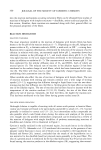
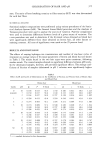
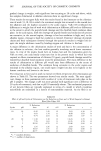
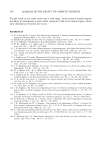
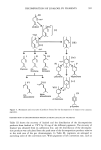
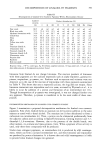
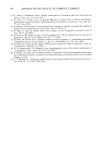
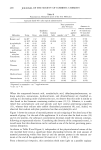
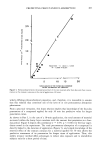
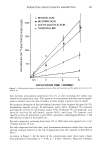
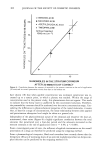
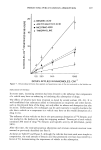
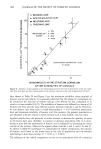
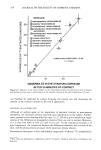
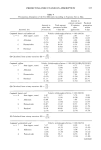
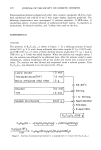
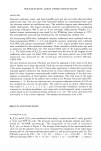
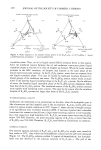
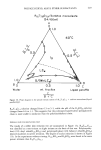
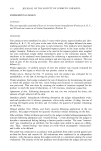
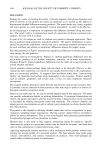
DECOMPOSITION OF LINALOOL BY PIGMENTS 391 •L -H+ Myrcene cis- trans- Ocimene Ocimene (i) OH +H + ß (iii) (ii) IV ,1- Limonene • VII _ cis- trans- X AIIoocimene AIIooclmene •-Terpinene p-Cymene !1 iv) -H+ V Terpinolene Figure 3. Mechanism and structures of products formed by the decomposition of linalool over cosmetic pigments. DISTRIBUTION OF DECOMPOSITION PRODUCTS FROM LINALOOL BY PIGMENTS Table III shows the recovery of linalool and the distribution of the decomposition products from linalool at 178øC by 10 mg of the different pigments. The recovery of linalool was obtained from its calibration line, and the distribution of the decomposi- tion products was calculated from the peak areas of the decomposition products relative to the total area of the gas chromatogram. In Table III, pigments are arranged in ascending order of the conversion rate. With pigments of low conversion rate, such as

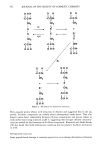
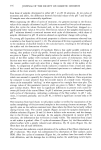
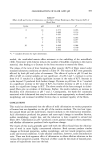
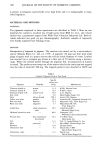
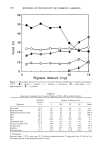
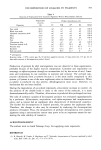
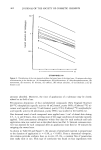
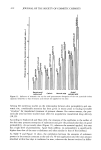
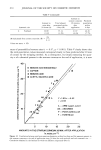
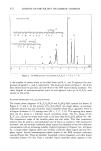
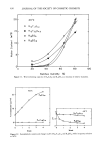
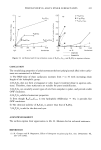
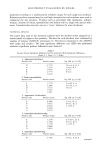
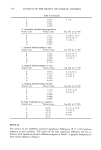
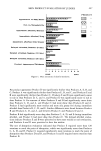
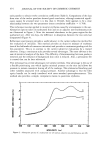
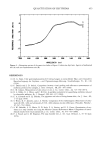
392 JOURNAL OF THE SOCIETY OF COSMETIC CHEMISTS linalool (A) III VIII , (B) . • II V •1 Figure 4. Decomposition of linalool over ultramarine blue and red iron oxide with microcatalytic reactor at 178 ø C. (A) Ultramarine blue. (B) Red iron oxide. black iron oxide or hydrated chromium oxide, only cis-ocimene, trans-ocimene, and myrcene were formed. With those pigments of moderate conversion rates, such as silica and mica, limonene and terpinolene were also formed. With pigments of high conver- sion rates, such as prussian blue and red iron oxide, cis-alloocimene, trans-alloocimene, alpha-terpinene, and p-cymene were also formed. AMOUNT OF THE PIGMENT AND THE DISTRIBUTION OF THE DECOMPOSITION PRODUCTS Figure 5 shows the variation in the yield of the decomposition products from linalool by changing the amount of talc. Myrcene plus ocimene gradually decreased as the amount of talc increased. On the other hand, limonene plus terpinolene and alpha-terpinene showed less change, while alloocimene and p-cymene generally increased, which corre- sponds well with the fact that alloocimene and p-cymene are formed over the pigments at high conversion rates. REACTION OF LIMONENE AND TERPINOLENE Table IV summarizes the reaction of limonene by these cosmetic pigments. Examina- tion of the data of Tables III and IV suggests that those pigments that do not produce
Purchased for the exclusive use of nofirst nolast (unknown)
From: SCC Media Library & Resource Center (library.scconline.org)