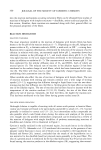
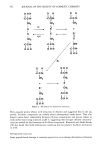
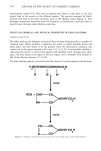
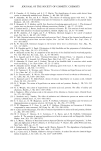
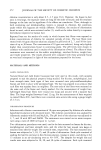
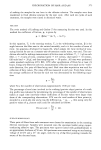
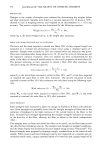
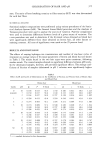
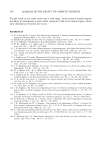
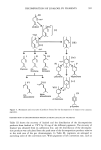
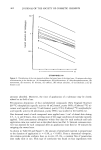
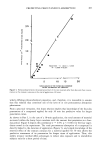
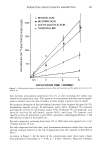
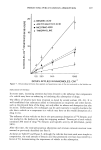
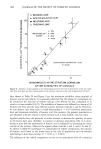
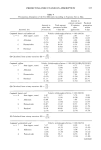
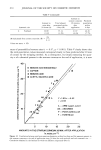
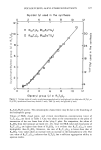
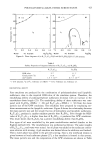
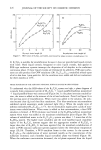
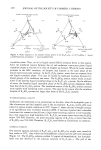
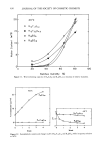
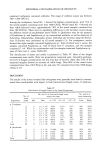
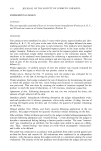
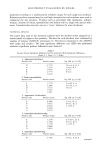
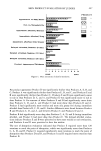
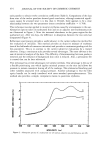
PREDICTING PERCUTANEOUS ABSORPTION 405 I o o z z 200 150 100 - 50 o BENZOIC ACID ß NICOTINIC ACID , ACETYLSALICYLIC ACID ß THEOPHYLLINE O,S 2 4 6 APPLICATION. TIME (HOURS) Figure 5. Relationship between the penetration levels of the test materials and the application time in the hairless rat. skin increases percutaneous penetration (5,6,17), as does increasing the surface area treated or the application time. This question of concentration may have special signifi- cance in infants, since the ratio of surface to body weight is greater than in adults. Percutaneous absorption of four radiolabeled materials (New England Nuclear) [(8-•4C) theophylline (specific activity 40 mCi/mmol, purity 98%) (Carboxyl-•4C) nicotinic acid (specific activity 55 mCi/mmol, purity 97%) (Carboxyl-•4C) acetylsalicylic acid (specific activity 60 mCi/mmol, purity 98%) and (ring •4C) benzoic acid (specific activity 45 mCi/mmol, purity 98%), dissolved in ethyleneglycol/Triton X 100 (90/10)] was studied in the hairless rat. For each compound, increasing doses from 125 to 1000 nmol were applied onto 1 cm 2 of dorsal skin for 30 min. For each compound and each dose, total percutaneous absorption within four days and stratum corneum reservoir at the end of application time were assessed as described in Part I. As shown in Figure 7, for the limits of the concentrations used, there exists a linear dose-penetration relationship (r = 0.98, p 0.001). However, Skog and coworkers

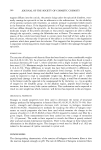
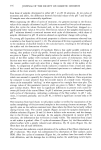
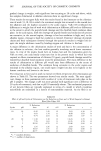
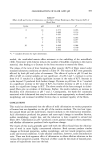
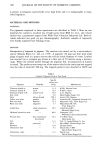
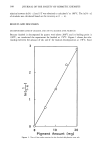
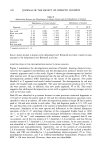
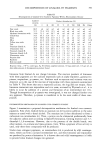
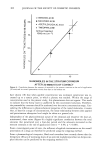
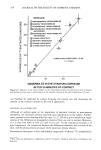
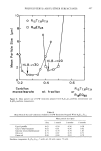
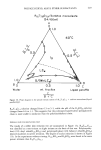
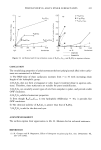
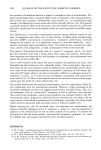
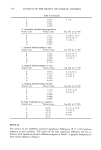
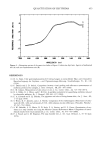
406 JOURNAL OF THE SOCIETY OF COSMETIC CHEMISTS z z z lo o BENZOICACID ß NICOTINIC ACID * ACETYLSALICYLIC ACID ß THEOPHYLLINE {amount applied 1000 nm.cm -2 ) s NANOMOLES IN THE STRATUM CORNEUM AFTER 30 MINUTES OF CONTACT Figure 6. Correlation between the amount of material in the stratum corneum at the end of application (30 min) and its overall penetration within four days in the hairless rat. have shown (18) that when applied concentration was increased, penetration was in- creased up to a certain point, at which a plateau was reached. Within the range of concentration used in the present study, this phenomenon does not appear. This tends to indicate that the horny layer is unaffected by the concentrated solutions. Therefore, the permeability constant should be unaltered over the entire concentration range. Con- sidering the differences in physicochemical properties of the tested molecules, it seems that, at least for a range of concentrations, the linear relationship between dose applied and percutaneous absorption level might be taken as a general rule. Independent of the physicochemical nature of the chemical and whatever the dose ad- ministrated, there exists (Figure 8) a highly significant correlation between the total amounts that penetrated over a four-day period and the amounts recovered in the stratum corneum at the end of application time (r = 0.98, p 0.001). From a toxicological point of view, the influence of applied concentration on the overall penetration of a drug can therefore be predicted using the stripping method. From a pharmacological viewpoint, Sheth and coworkers have recently shown that the therapeutic efficacy of increasing doses of an antiviral (iododeoxyuridine) on herpes sim- plex infection can be predicted by the stripping method (19).
Purchased for the exclusive use of nofirst nolast (unknown)
From: SCC Media Library & Resource Center (library.scconline.org)