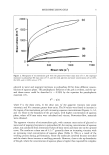
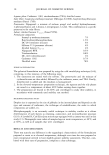
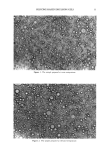
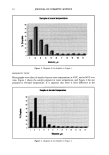
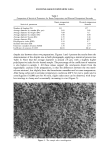
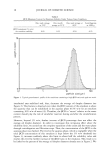
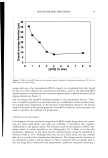
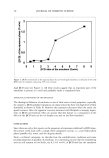
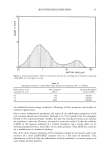
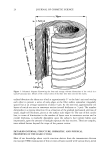
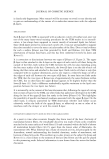
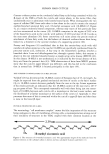
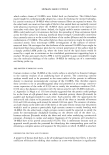
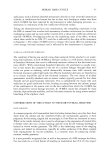
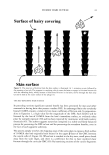
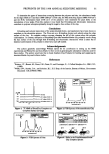
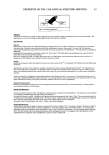
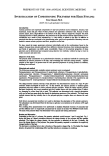
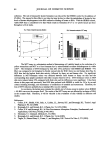
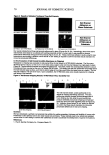
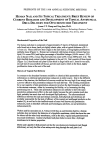
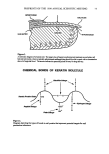
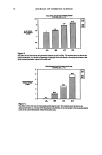
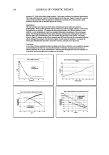
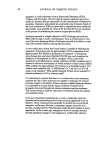
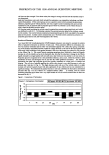
HUMAN HAIR CUTICLE 41 Surface of hairy covering Skin surface Figure 9. The rejection of detritus from the skin surface is illustrated. At 1, irritation occurs, followed by the sensation of an itch. The response is scratching, which causes the hairs to engage in frictional interaction with the offending body, which, because of directional friction in the hairs, moves through the hair array (2) and is shed at the outer surface of the pelage (3). THE SELF-REPAIRING HAIR SURFACE In preceding sections significant natural benefit has been presented for man and other mammals in having hairs that possess a surface DFE. In undamaged hairs the covalently bound 18-MEA ensures a relatively low mean coefficient of friction and, by proportion- ality in Equation 1, a high value for the magnitude of the DFE. Such benefit will be lessened by the loss of 18-MEA from the hair's immediate surface, as evidently takes place by sunlight exposure (50) and has been reported for treatments with harsh toiletry chemicals (45). The author suggests nature has conspired in a subtle and finely balanced process for preserving the DFE in hair and for preserving the attendant benefits, even in the face of such apparent adversity. The process simply involves the chipping away of the scale edges to expose a fresh surface of 18-MEA that had originally been located in the upper [B-layer of the CMC between the cuticle cells (cf. Figure 10). When hair is combed in the dry state, small pieces break away from the scale edges, and there is a preference for this to have involved shear fracture through the cuticular CMC (65). By examining sections of the cuticle fragments

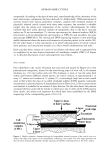
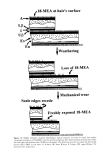
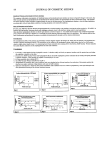
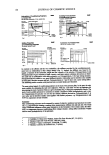
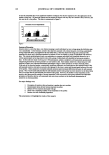
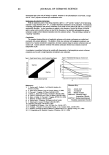
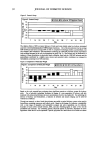
• 18-MEA at hair's surface Ex En Weathering Loss of 18-MEA Scale edges recede • Mechanical wear Freshly exposed 18-MEA Figure 10. Highly schematic diagram illustrating a typical sequence of events in which hair surface 18-methyl eicosanoic acid (18-MEA) is lost by natural weathering, after which mechanical interaction erodes the scale edges and discloses fresh 18-MEA at the surface. The latter process serves to sustain the directional friction effect (DFE) in the hairs. A: A-layer L[3: lower [3-layer 8: 8-layer U[3: upper [3-layer Ex: exocuticle En: endocuticle.
Purchased for the exclusive use of nofirst nolast (unknown)
From: SCC Media Library & Resource Center (library.scconline.org)