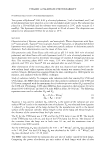
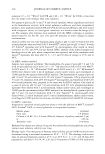
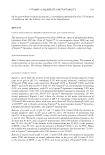
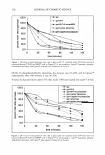
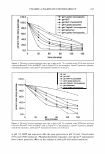
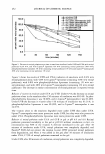
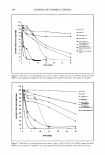
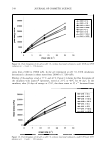
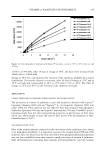
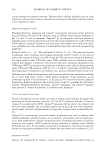
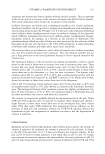
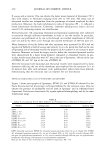
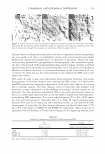
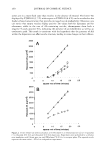
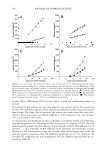
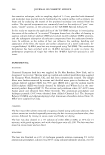
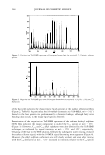
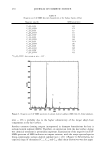
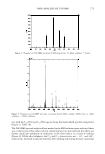
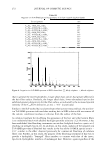
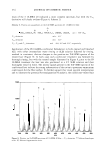
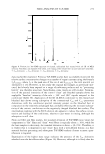
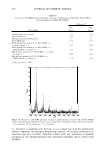
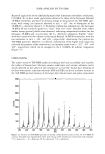
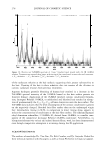
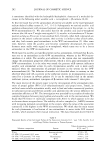
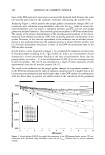
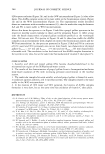
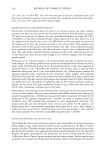
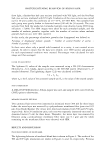
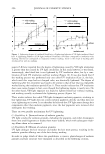
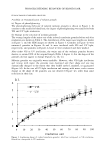
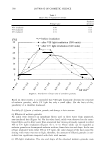
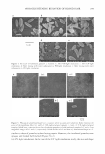
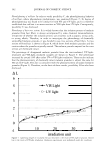
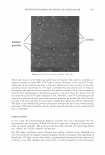
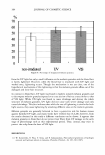
PHOTOLIGHTENING BEHAVIOR OF BLOND HAIR PHOTOCHANGE OF MELANIN GRANULES Possibility A: Denaturalization of melanin granules (a) Degree of photolightening 297 The photolightening behavior of isolated melanin granules is shown in Figure 2. In contrast to the results for blond hair, the degree of photolightening was similar for both VIS and UV light irradiation. (b) Change in the structure of melanin granules The average lengths of the major axis of the isolated eumelanin granules before and after irradiation are shown in Table I. The distribution of the major axis lengths are shown in Figure 3, and the SEM images are shown in Figure 4. Granules in Figure 4a were untreated, granules in Figures 46 and 4c were irradiated with VIS and UV light, respectively, and granules in Figures 4d and 4e were irradiated and then washed. After either VIS or UV irradiation, the major axis of the melanin granules became shorter, to around 90% of the original length (Table I, Figure 3), but the shapes of the granules did not appear to change (Figures 4a, 46, 4c). Melanin granules are originally water-insoluble. However, after VIS-light irradiation and rinsing with water, the granules were destroyed and their shape and size was dramatically changed to the extent that they looked melted, smashed, or aggregated (Figure 4d). In the case of UV-light irradiation and rinsing with water, such a severe change in the shape of the granules was not observed (Figure 4e), other than some reduction in their size . .ll L 6 --11-VIS 5 - - o- - UV 4 3 2 1 0 0 10 20 30 40 50 60 70 80 90 100 irradiation unit Figure 2. Lightening degree of isolated eumelanin granules. Solid line corresponds to VIS irradiation. Dotted line corresponds to UV irradiation.

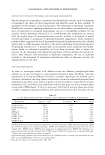
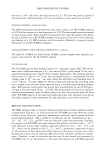
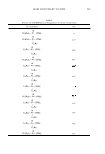
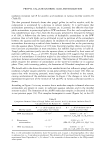
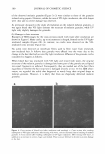
298 JOURNAL OF COSMETIC SCIENCE Table I Major Axis of Eumelanin Granules Average (µm) Non-irradiated VIS-irradiated UV-irradiated 0.80 0.73 0.72 (%) 35 30 25 20 15 10 5 --o- before irradiation ....---------•-- after VIS light irradiation (380 units) ____ - + - after UV light irradiation (620 units) J...�---.... - - - - ��/�1' '''' " / . / : I-- -- - -----✓- - _._· --- ,. I I I I --- ,--I Standard deviation 0.13 0.13 0.10 0 ' -- ..... ' * :_·.:.:..:_ ·...: - --, io �- �- �- �- Figure 3. Distribution of major axis of eumelanin granules. Based on these results, it is concluded that VIS light drastically destroys the structure of melanin granules, while UV light has only a small effect. On the basis of this, possibility A is therefore dismissed. Possibility B: Effusion of meLmin granules and damage to hair structure (a) Effusion of melanin granules No solids were detected on membrane filters used to filter water from immersed, non-irradiated hair (Figure 5a). On the other hand, solids were observed on the mem brane filters used to filter water from immersed hair tresses previously exposed to either VIS or UV light irradiation (Figures 56-1, 5c-l). Those solids can be regarded as melanin granules or decomposed melanin residues, from their size and shape. In the case of hair irradiated with either VIS or UV light, the color change of the hair caused by rinsing with water was not so high therefore, the amount of effused granules is con sidered not significant compared with their total amount. (i) VIS-light irradiation. The size and shape of the observed melanin granules were
Purchased for the exclusive use of nofirst nolast (unknown)
From: SCC Media Library & Resource Center (library.scconline.org)