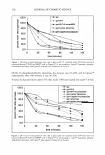
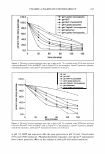
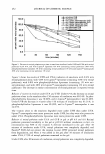
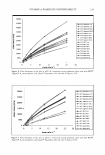
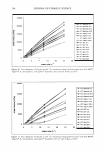
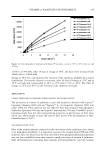
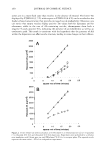
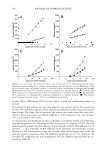
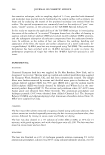
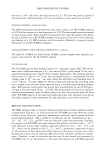
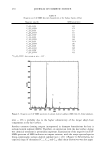
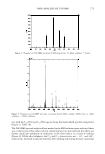
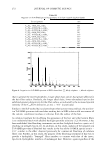
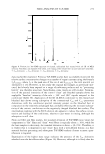
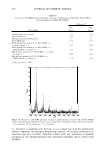
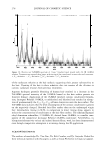
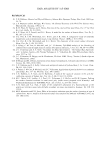
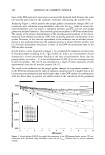
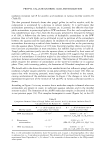
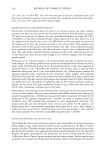
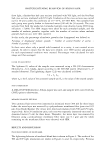
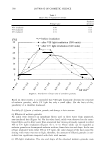
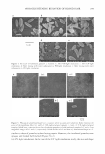
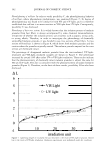
120,0 m 100,0 .E a. 80,0 60,0 L.. m 0 40,0 E c � 20,0 a. 0,0 0 VITAMIN A PALMITATE PHOTOSTABILITY 30 60 -+-gel+Lipotec nanocapsules ---gel+BHT --.-gel+BHT+Eusolex9020 _._ gel+Lipotec liposomes _._ gel+ TagraA 1 microcapsules --gel+liposomes ---gel+Lipotec nanocapsules 90 120 150 time (minutes) 241 Figure 3. Decrease in retinyl palmitate over time in gels at pH 7 .0 irradiated under UV A alone and with sunscreen (Eusolex® 9020) and BHT®, and in Tagravit® A 1 microcapsules, Lipotec® liposomes, phospha cidylcholine liposomes, and Liporec® nanocapsules introduced in the gels. 120, 0 t 100. 0 .E 80, 0 a. � 60, 0 40, 0 c � G.J 20, 0 a. 0 , 0 0 30 60 90 time (minutes) -+-gel -e-gel+BHT _,..... gel+BHT +Eusolex9020 -♦-gel+Lipotec liposomes _.,_gel+TagraA1 microcapsules --gel+liposomes -----gel+Lipotec nanocapsules 120 150 Figure 4. Decrease in recinyl palmirace over rime in gels at pH 7 .0 irradiated under UVB alone and with sunscreen (Eusolex® 6300) and BHT®, and in Tagravit® A 1 microcapsules, Lipocec® liposomes, phospha cidylcholine liposomes, and Lipotec® nanocapsules introduced in the gels. at pH 7.0. BHT and sunscreens offer the same protection at pH 5.6 and 7.0 and under UV A and UVB irradiation. Phosphatidylcholine liposomes and Lipotec® nanocapsules have a more protective effect on the vitamin at both pHs and under irradiation.

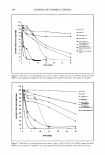
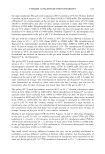
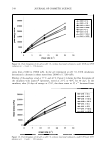
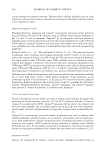
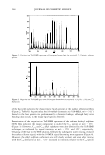
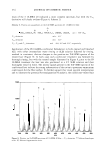
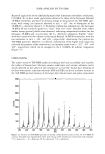
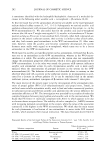
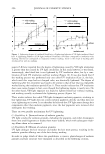
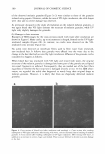
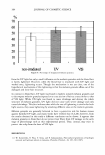
242 120,0 � 100,0 E a. 80,0 - - c :;:::: I!! 60,0 .... E 40,0 i 20,0 a. JOURNAL OF COSMETIC SCIENCE _.,_emulsion UVB -emulsion UVA _.,._ em Lipotec nanocapsules UVB em Lipotec nanocapsules UVA � em Lipotec liposomes UVB -em Lipotec liposomes UVA ---em liposomes UVB � em liposomes UVA 0,0 -+------,--------,------,-------,-------, 0 30 60 90 time (minutes) 120 150 Figure 5. Decrease in recinyl palmitate over time in emulsions irradiated under UVB and UV A with recinyl palmitate 0.2% w/w, and with Lipotec® liposomes 4% w/w (containing retinyl palmitate 5.0% w/w), phosphatidylcholine liposomes 3% w/w (containing recinyl palmitate 1 % w/w), and Lipotec® nanocapsules 20% w/w (containing retinyl palmitate 1 % w/w). Figure 5 shows the results of UVB and UVA irradiation of emulsions with 0.2% w/w retinyl palmitate alone, with 4.0% w/w Lipotec® liposomes (containing 5.0% w/w retinyl palmitate), with 6.0% w/w phosphatidylcholine liposomes (containing 1 % w/w reti nyl palmitate), and with 20% w/w Lipotec® nanocapsules (containing 1 % w/w retinyl palmitate). The decrease in molar concentration of retinyl palmitate is reported versus time. Behavior of vitamin in emulsions under UVA and UVB. Under UVA the decrease in retinyl palmitate alone in the emulsion after 150 minutes of irradiation was 80.54%. In phos phatidylcholine liposomes it was 78.09%, and in Lipotec® nanocapsules it was 61.46%. Under UVB the decrease in vitamin after 150 minutes of irradiation was 93.21 % in phosphatidylcholine liposomes it was 40.30% and in Lipotec® nanocapsules it was 42.67%. The vitamin alone in the emulsion degraded more under UVB than under UVA. Lipotec® nanocapsules were more protective under UVB, but they were also protective under UVA. Phosphatidylcholine liposomes were more protective under UVB. Behavior of retinyl palmitate under UVA and UVB in gels at pH 4.0 and 8.0. Retinyl palmitate presented instability in the gel at pH 8.0 without irradiation in fact, its concentration was 40% of the vitamin A derivate introduced in the gel. After 30 minutes of irradiation under UV A, retinyl palmitate was completely degraded, and Eusolex® 9020 did not protect the vitamin A ester. BHT protected retinyl palmitate from degradation, and when it was added in the gel, after 30 minutes of irradiation under UV A, 1 7 .9% of retinyl palmitate remained in the gel. Under UVB, after 60 minutes of irradiation, retinyl palmitate was completely degraded,
Purchased for the exclusive use of nofirst nolast (unknown)
From: SCC Media Library & Resource Center (library.scconline.org)