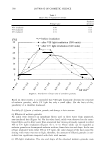
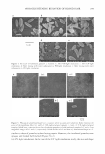
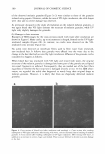
ABSTRACTS 315 chapping. Using scanning electron microscopy, villus like projections were observed on the inner surfaces of most corneocytes from normal lips, whereas those with flatter surface were predominantly found in chapped lips. Furthermore, cell surface area increased with the severity of lip chapping. Cathepsin D-like and chymo trypsin-like proteinase, which are also present in skin as desquamation-regulating proteinases, were detected in lip comeocytes, though only cathepsin D-activity was found to decrease in severely chapped lips. Hydration was also lower in areas of lip chapping. Sequential topical application of apricot extract essence increased cathepsin D-activity and improved chapping severity. Our results suggest that lip chapping can be characterized as similar to senile xerosis rather than dry skin such as winter xerosis, as it shows a delayed transition of corneocytes through the stratum comeum, and the reduced cathepsin D-activity may be one of the mechanisms that is further decreased by low hydration. We propose that an enhancement of both cathepsin D activity and lip moisture may be effective to improve lip chapping.
Purchased for the exclusive use of nofirst nolast (unknown)
From: SCC Media Library & Resource Center (library.scconline.org)