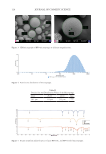
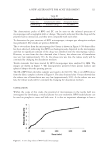
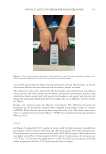
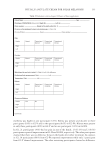
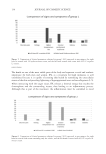
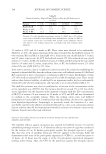
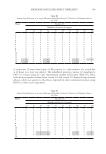
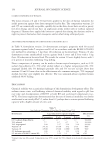
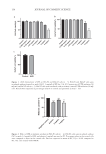
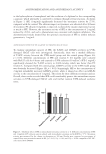
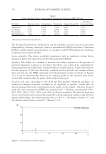
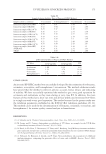
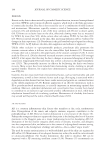
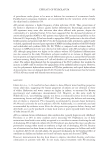
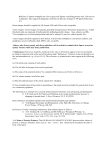
131 PHYSALIS ANGULATE CREAM FOR SOLAR MELANOSIS was verified and classified as absent, present and discrete, present and moderate, or present and intense. Blisters were also observed and classified as present or absent. The subjective criteria were reported by the participants and included pain (classified as absent, present and mild, present and moderate, and present and intense), pruritus (also classified as absent, present and mild, present and moderate, and present and intense), and asking the participant which hand felt better (right, left, or no difference between them). See Table I. Results were analyzed using the Bioestat 5.0 program. The differences between the treatments for the parameters analyzed were compared using simple analysis of variance (ANOVA). When relevant, the means were compared by the t-test. The results, expressed as mean ± standard error of the mean (Mean ± SEM), were considered statistically significant when p ≤ 0.05. RESULTS G1 (Figure 5) compared 0.5% P. angulata L. extract with 1% hydrocortisone. In G1-PA, five participants (16.6%) reported mild pain and three participants (10%) had mild pruritus. Pain and pruritus were not reported on the hands of G1-H participants. Skin temperature was higher in G1-PA in 20 participants (66.6%), and in 5 participants, the elevation was 0.5°C but 1°C and was not significant (p = 0.261). In G1-H, six participants (20%) had higher temperature and four (13.3%) participants had no changes. Figure 3. G2 participant with an illustration of the amount of cream to be applied marked according to the colors of bracelets and bottles as well as the soap offered to wash their hands.

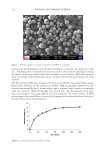
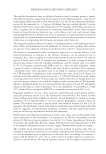
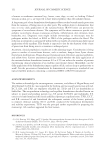
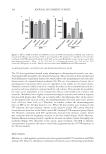
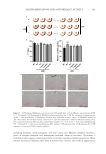
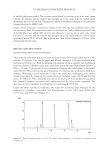
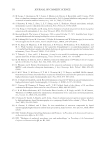
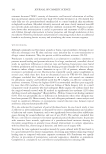
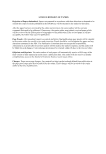
132 JOURNAL OF COSMETIC SCIENCE In G1-PA, the perilesional erythema was larger in 12 participants (40%), and this increase in diameter ranged from 1.2 to 1.4 mm. In 13 participants, there was no difference in the size of the erythema in both hands in 2 participants (6.6%), it was not possible to measure the erythema because it was very diffuse and not possible to delimit the surrounding halo. In two participants (6.6%), no erythema was noticed. In G1-H, the perilesional erythema was smaller than in G1-PA with a significant difference (p = 0.001) and with size of 1 mm in 25 participants. In two participants (6.6%), diffused erythema obstructed the measurement as it was not possible to delimit the surrounding halo while in two participants (6.6%), no erythema was evidenced. Edema was present and discrete in four participants (13.3%) of G1-PA and in three participants (10%) of G1-H. Blisters were present in three participants (10%) of G1-PA and four participants (13.3%) of G1-H. In this group, 24 participants (80%) reported no pain in either hand. In G2 (Figure 6), which compared 0.5% P. angulata extract L. with the vehicle, mild pain and pruritus were reported by nine (30%) and two (6.6%) G2-V participants, respectively. In G2-PA, no participants reported pain and pruritus. The temperature in 28 participants (93.3%) was higher in G2-V, and in 13 participants (43.3%), this difference was 1°C, thus being seen as significant (p = 0.000). In two participants, the temperature was the same in both hands. In G2-V, perilesional erythema was higher in 20 participants (66.6%) with a significant difference (p = 0.0001). In 12 participants (40%), this difference was 1 mm, while in 6 participants (20%) it was 2 mm in the same hand. In G2-PA, eight participants (26.6%) showed no difference, erythema could not be measured in one participant (3.3%), and the Figure 4. Measurement of the perilesional erythematous halo with a portable dermatoscope (Dermlite 3Gen®).
Purchased for the exclusive use of nofirst nolast (unknown)
From: SCC Media Library & Resource Center (library.scconline.org)