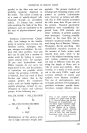
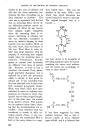
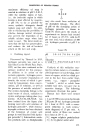
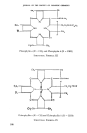
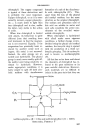
jOURNAL OF THE SOCIETY able to all the techniques of textile production, but supplement the properties of natural fibres in im- portant respects. Now, I should very much have enjoyed putting a jar of cold cream in front of this audience and declar- ing it to be totally synthetic, other than the contained water. Apart from the obvious economic diffi- culties, one reason why this is not as yet feasible is that cosmetic found- ations are very often long straight chain carbon compounds of the type of the harder fats and waxes. Synthetic aliphatic chemistry branches off into side chains, iso- compounds and the like after the first six carbons or so. These com- pounds, like the unsaturated long chain compounds, are usually much more fluid in quality than the straight chain bodies. FISCHER - TROPSCH SYNTHESIS. The only synthetic process which spontaneously produces really long straight chain carbon compounds is the Fischer-Tropsch synthesis. This process was largely directed to the production of synthetic fuels, though under the exigences of war- time Germany some remarkable derivatives were produced, includ- ing straight chain saturated acids of high molecular weight, either dir- ectly or by oxidation of waxes by oxygen in presence of potassium permanganate. These acids were used in soaps, detergents and auxi- liaries, and it is on record that they were esterified with synthetic pro- pylene glycol to produce a com- 130 OF COSMETIC CHEMISTS pletely artificial cooking fat or butter substitute, said to be excel- lent for diabetics. Whether it ap- proached anything like excellence for anybody else is perhaps very doubtful, but like Dr. Johnson's talking dog, it may not have been done well, the wonder was that it was done at all. One way to make a long chain compound from synthetic olefinic derivatives is' to. condense higher aldehydes and ketones. The method of building these constituent alde- hydes and ketones is by the aldol condensation from butyraldehyde butyraldehyde itself being similarly prepared from acetaldehyde, and this in turn from ethylene oxide or acetylene. The eight-car- bon compounds are dehydrated and hydrogenated to yield 2 - ethyl hexanal. Methyl isobutyl ketone is made from propylene through isopropyl alcohol, acetone, diacetone alcohol ß and mesityl oxide. PRIl•IARY AND SECONDARY ALCOHOL SVLPr•^TES. A polar group may be formed at the junction to the con- stituent chains and the resultant is a higher secondary alcohol. By sul- phating and neutralising a valuable series of surface active agents of the R type CHOSO•Na is derived. R • They are usually better wetting and penetrating agents than emulsifying .agents and detergents, and the higher the molecular weight the stronger the effect, provided the com-

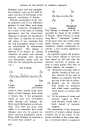
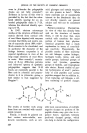
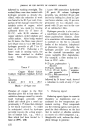
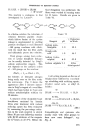
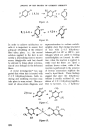
INFLUENCE OF ALIPHATIC CHEMISTRY DEVELOPMENT• pound is soluble enough. With 17 carbon atoms, the compound is only just soluble in water and there is a marked tendency for its solutions to spread laterally along a surface be- fore it penetrates inwardly. With 14 carbon atoms the compound is much more soluble in water and solutions penetrate inwardly rather than later- ally. For that reason such com- pounds have been valuable in fire fighting equipment, especially for such articles as cotton bales and stuffed furniture. When, however, the agent is added to salt solutions or other electrolytes, the solubility decreases rapidly, especially when heavy or polyvalent metals are pre- sent near the limit of solubility the wetting action reverts to lateral spreading. In the cosmetic and related fields agents of this sort are used in soap shampoos and shaving preparations to accelerate rinsing, and in phar- maceutical and household products they are used with phenolic disin- fectants and germicides, serving to intensify the effort both by promot- ing intimate contact, and by a specific synergistic action. Wetting agents of this type are also useful in hair waving and bleaching reagents to ensure full and uniform contact. In the field of detergency primary alcohol sulphates are better than secondary, and it is generally found that 12 carbon chains represent an optimum condition. Synthetic com- pounds have been produced on a commercial scale having this struc- ture for example the synthetic primary alcohol 2-butyl octanol C•H9 CHCH2OH CoHla This compound will yield detergents which can be called sodio isolauryl sulphates. The triethanolamino salt would be more soluble and furnish a fluid and emo]lient hair shampoo. Butyl octanol could also be con- verted into a genuinely and entirely synthetic non-ionic detergent by etherifying with ethylene oxide. GREATER PRECISION WITH SYN- THETICS. One of the virtues of syn- thetic organic materials is that to a far greater extent than in nature a single compound is produced. It is not part of nature's laboratory tricks to make single oils, fats and waxes. Nature can, of course, be amazingly selective: for example, in optically active compounds of edible type, nature makes only the dextro varieties. However, the only chemi- cally pure compounds occurring in nature are some of the simple crystalline inorganic compounds such as calcium carbonate. If it suited the vital system of plants and animals to be equipped with single fats instead of mixed ones, then the cosmetic chemist, the soap maker, the hairdresser, the tanner, the chandler, the makers of margarine, cooking fats, condiments, textile finishing agents, agricultural pesti- cides, speciality lubricants and a hundred and one other things would be able to get pure fats straight from the seed farm or slaughter house. Except for materials produced by the latest distillation processes, stearic and other fatty acids and al- 131
Purchased for the exclusive use of nofirst nolast (unknown)
From: SCC Media Library & Resource Center (library.scconline.org)