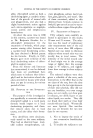
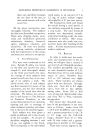
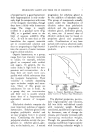
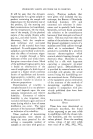
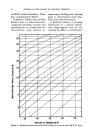
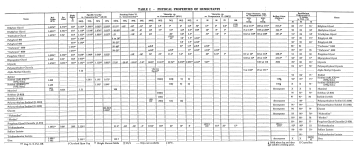
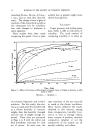
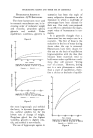
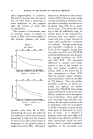
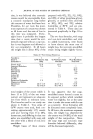
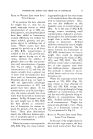
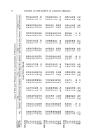
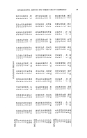
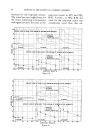
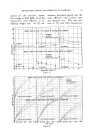
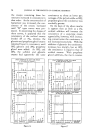
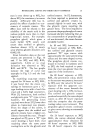
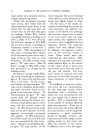
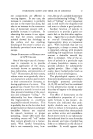
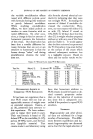
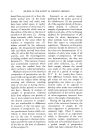
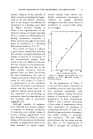
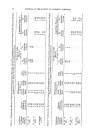
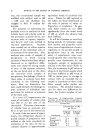
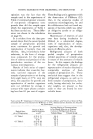
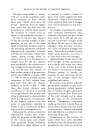
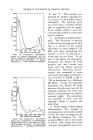
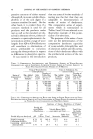
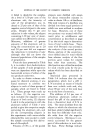
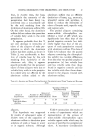
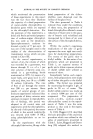
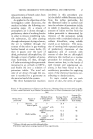
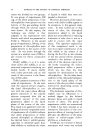
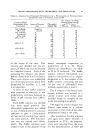
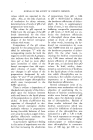
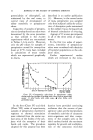
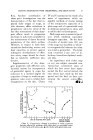
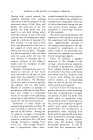
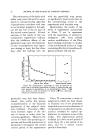
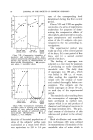
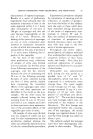
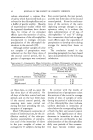
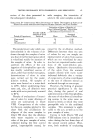
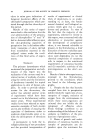
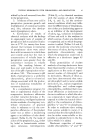
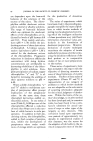
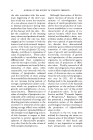
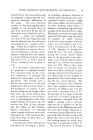
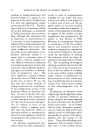
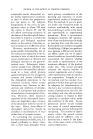
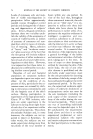
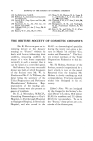
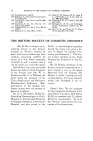
12 JOURNAL OF THE SOCIETY OF COSMETIC CHEMISTS including 50 min., 10 min., 2.5 ram., 1 ram., and on sand (less than 0.1 min.). The change of rate of gain of moisture of the two polyols as well as the subsequent loss by volatiliza- tion with changes in thickness is quite apparent. Rate studies have been made comparing the speed of loss or gain sorbitol lost or gained weight more slowly than glycerin. VOLATILITY Vapor pressure and boiling point data, Table 1, offer an indication of volatility. The usual method of comparing volatility is to allow an 5o I Sand 0 0 10 20 30 1+0 •0 60 70 8 .Time - Hours Figure &--Effect of Variation of FilmDepth ofSampleOain in Weight of Samples at 65% R.H. at 70øF. Glycerin--- Sorbitol.-- of moisture of glycerin and sorbitol solutions. For this study, the solu- tions, on sand, were first conditioned at a chosen humidity to constant weight, then the humidity changed and the rate of weight change ob- served. These data are presented in Figs. 4 to 8 with the initial and final humidities indicated for each set of curves. In each case, the open container of the test material to stand at the chosen conditions. Many factors influence the results obtained in this manner, among them, temperature, humidity (con- stancy as well as average value), water content of product, chemical composition (whether or not the components of the sample are all equally volatile), and others.

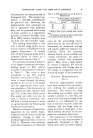
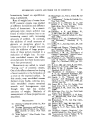
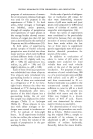
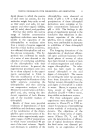
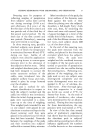
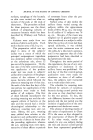
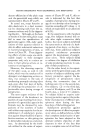
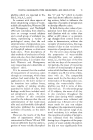
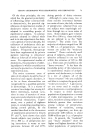
HYGROSCOPIC AGENTS AND THEIR USE IN COSMETICS 13 HYGROSCOPIC AGENTS IN COSMETICS•/W EMULSIONS The three humectants most used in cosmetic manufacture are, in in- creasing order of molecular weight and viscosity, propylene glycol, glycerin and sorbitol. Under equilibrium conditions, glycerin is Figure 4 o /-/•, d0 ½ 1•0 3O Tlme- Minutes ¾el•t Q&la by Solutions when •ansf•rred fromanatl. off• R,H. toanatl. of3• n.H. 61ycer• .... $orbltol -- Figure 5 the most hygroscopic and sorbitol the least in dynamic hygroscopic- ity, sorbitol exhibits by far the lowest rate of change of weight. Propylene glycol has the highest volatility, glycerin is slightly vola- tile, and sorbitol is non-volatile. The use of hygroscopic agents in cosmetics has been the topic of many subjective discussions in the literature in which a multitude of advantages have been claimed for their use. Our study was proposed as an effort to determine the hygro- scopic value of humectants in cos- metics. It is generally thought that a humectant has two major uses in a cosmetic. The first of these is the reduction in the loss of water during times when the cap is removed. Humectants have been chosen for this use on the basis of equilibrium hygroscopicities with the idea that because these materials tend to hold water under equilibrium condi- tions they will prevent "drying out" of a cream. However, drying out is a rate phenomenon rather than a state of equilibrium, there- fore a choice on the basis of equilib- 30- i////• /I/ T•.ma o !•nutee Weight Gain by Soluteoho when Tl-ausferred from •tn •tm. of 5• R.H. to am arm. of 7• R.•. Glycerin .... Sorbi•l FlOr= 6
Purchased for the exclusive use of nofirst nolast (unknown)
From: SCC Media Library & Resource Center (library.scconline.org)