34 JOURNAL OF THE SOCIETY OF COSMETIC CHEMISTS 0 • o o I o • ...•._• • 000 000',4) 0oooo 0• •0

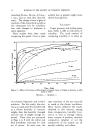
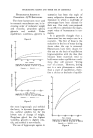
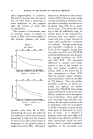
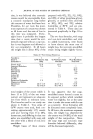
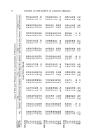
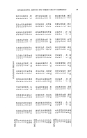
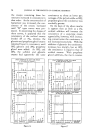
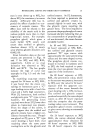
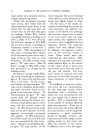
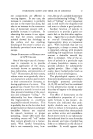
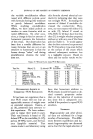
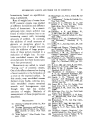
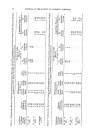
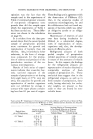
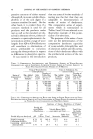
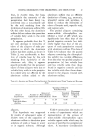
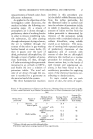
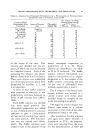
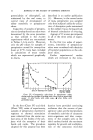
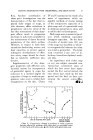
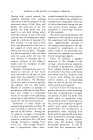
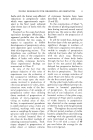
TESTING DEODORANTS WITH CHLOROPHYLL AND DERIVATIVES 35 purposes of maintenance of anaero- bic environments whereas hydrogen was used for this purpose in the experiments of Table 2. In both series, either nitrogen or hydrogen was bubbled, under pressure, through all samples of perspiration until specimens of vapor phases in the storage bottles showed concen- trations of oxygen less than 0.1 per cent as determined by the method of Carpenter and his collaborators (13). In both series of experiments, pooled samples of freshly collected perspiration were divided into three major portions which were buffered at three different levels of acid-base balances, viz. (1) slightly acid, i.e., pH = 4.00, (2) approximate neu- trality, i.e., pH = 7.00, and (3) slightly alkaline, i.e., pH = 8.00. Each of these three major portions was subdivided into three aliquots. Two aliquots were introduced into gas-washing bottles in contact with air. One of these was maintained in a refrigerator at 8 ø C. for forty- eight hours whereas the other was incubated at 37øC. during the same period. Immediately after intro- duction of the third aliquot into a gas-washing bottle, the air over the sample was displaced by either nitrogen (Table 1) or hydrogen (Table 2). These aliquots in con- tact with either nitrogen or hy- drogen were stored in incubators at 37øC. for periods' of forty-eight hours. In all experiments included in the two tables, the volume of the gas was 11 times the volume of the sample of perspiration in the gas- washing bottle. At the ends of periods of refrigera- tion or incubation pO values for odor were determined, measure- ments of pH were made and pour plates were prepared for differential counts of colonies of aerobic and anaerobic microiSrganisms (14). These two series of experiments were considered to be particularly instructive because they are repre- sentative of several attempts which have been made within the last two or three years to supplement purely organoleptic tests with quan- titative chemical procedures for sources of the odors. In addition to evaluations of odors in terms of pO units, all samples were analyzed for total volatile base and total volatile acids at the end of the period of incubation. For purposes of deter- minations of total volatile base, 100 c.c. of a stored sample were acidified with sulfuric acid to pH = 2.00 and then concentrated to 10 c.c. Sodium hydroxide was added to the concentrated sample in amounts sufficient to raise its pH to a level = 12.00. Then, the sample was distilled with steam and the dis- tillate was trapped in a known volume of 0.01 N acid. Excess acid was determined by electro- metric titration to neutrality. For determinations of total vola- tile acids, this procedure was modi- fied as follows. Before concentrat- ing the original 100-c.c. sample to one-tenth of its volume, it was alkalinized to pH = 12.00 by the addition of sodium hydroxide. Secondly, before the steam distilla-
Purchased for the exclusive use of nofirst nolast (unknown)
From: SCC Media Library & Resource Center (library.scconline.org)