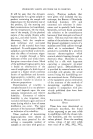
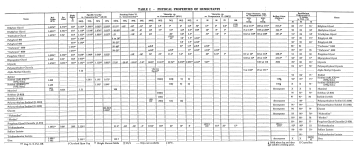
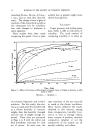
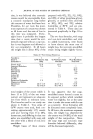
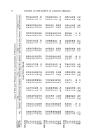
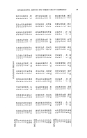
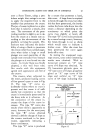
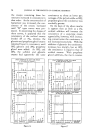
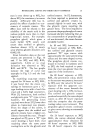
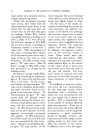
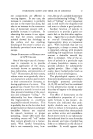
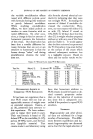
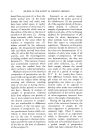
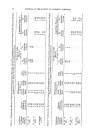
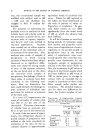
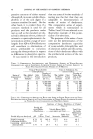
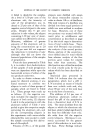
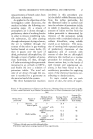
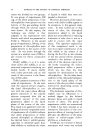
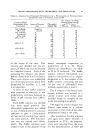
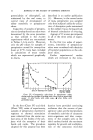
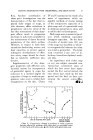
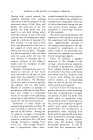
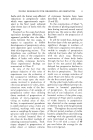
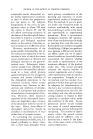
16 JOURNAL OF THE SOCIETY OF COSMETIC CHEMISTS tion, it was believed that cosmetic creams would be unacceptable from a cosmetic standpoint long before this amount of water had been lost. Therefore, for our tests the maxi- mum exposure of a cream was chosen as 48 hours and the rate of loss in this time was compared. Forty- eight hours is probably the longest time that a cream would be acci- dentally exposed without a cap (un- less it was forgotten and allowed to dry out completely). In 48 hours the weight loss is about 10% of the prepared with 0%, 2%, 5%, 10%, and 20% of either propylene glycol, glycerin, or sorbitol were observed at 30%, 50%, and 70% relative humidities at 80øF. and are pre- sented in Table 4. These data are presented graphically in Figs. 10 to 13. The two base formulas, with soap and non-ionic emulsifiers and with no added humectants, were found to have almost the same rate of weight loss, the non-ionic emulsified cream losing weight slightly faster. CREAM FORMULAS Number--• Type--• Emulsifier--• 1 2 3 o/w Stearic Acid O/W Stearic Acid W/O Emollient Soap Non-ionic Non-ionic Stearic Acid Isopropyl Palmirate Paraffin Petrolatum Mineral Oil Lanolin Arlacel 60 Tween 60 G-1500 Potassium Hydroxide Magnesium Sulfate Humectant Water 15.0 2.0 1'.0 20.62 '0.0 62.0-82.0 15.0 ... 1.0 ... 516 ß.. 40.0 oo. 5.0 4.0 1.5 ... i16 '" 61i 2o .6-'o .o -o .o 60.5-80.5 --34.8 total weight of the cream which is from 15 to 25% of the net water content and represents an adequate loss from which to estimate rates. The formulas used in our study are shown in Table 3. Two series of O/W creams were used, both con- taining approximately 15% stearic acid and varying from 0 to 20% humectant, and differing in that one series was emulsified with soap and the other with a blend of non-ionic emulsifiers. Weight losses of these creams It was apparent that the soap- emulsified cream formed a crust on its exposed surface which retarded water loss slightly, but at the same time it made the cream unfit for use as a cosmetic. Crust formation will be discussed more completely later. In 48 hours, the maximum exposure time, the weight loss observed for the creams was 10-20% of the total weight of the composition. Since the soap type and non-ionic type formulas behaved differently, they will be discussed separately.

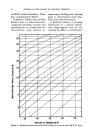
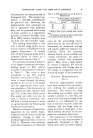
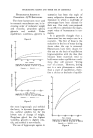
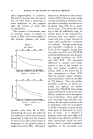
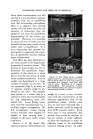
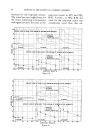
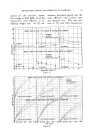
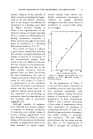
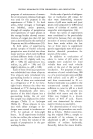
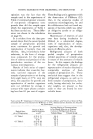
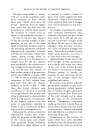
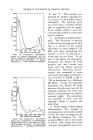
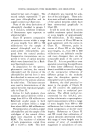
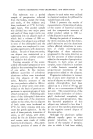
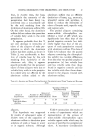
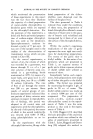
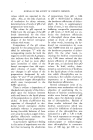
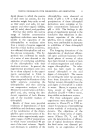
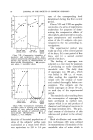
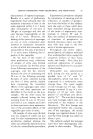
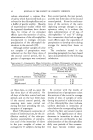
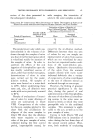
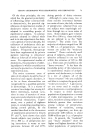
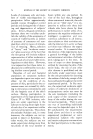
HYGROSCOPIC AGENTS AND THEIR USE IN COSMETICS 17 RATE OF WEIGHT Loss vaoM SOAP- TyPE C•,EAMS If we examine the data obtained for weight loss rs. time for ex- posed soap-type creams to which concentrations of up to 20% sor- bitol, glycerin, and propylene glycol have been added as humectants, marked differences are evident be- tween sorbitol, glycerin, and pro- pylene glycol in inhibiting loss of water. Where creams have been exposed for periods up to 48 hours at 30% R.H., concentrations of sorbitol as low as 2% provide pro- tection against drying out of the cream, whereas the addition of glycerin does not offer any protec- tion until concentrations of greater than 5% are added. At glycerin concentrations of 5% and less, the creams actually show a greater loss of water with increasing time than those with no humectant present. Propylene glycol does not begin to offer any appreciable advantages until concentrations of 10% and greater have been added. At low concentrations, as in the case of glyc- erin, the creams actually lose more water than those with no humectant present. In Fig. 10 (upper row), the per cent weight loss at 30% R.H. has been plotted rs. concentra- tion of humectant for creams ex- posed for periods of 8, 24, and 48 hours. These plots demonstrate clearly the difference between glyc- erin or propylene glycol rs. sorbitol at the low concentrations. Where the creams were exposed at 50% R.H. (Fig. 11), those contain- ing propylene glycol lost more water at all concentrations than the cream with no humectant present. Glyc- erin was also ineffective at this humidity even at concentrations of 20%. As in the case of 30% R.H. storage, creams containing small concentrations of glycerin and pro- pylene glycol lost considerably more weight than a similar cream con- taining no humectant. Sorbitol additions reduced the rate of weight loss at all concentrations. The ref- erence formula (no humectant) at 50% R.H. showed more of a loss in weight than would be expected when comparing the values at 30%, 50%, and 70% R.H. The 50% reference cream value is representa- tive of nine separate tests with later triplicate checks. Apparently this anomaly is related to uncon- trolled factors such as rate of crust formation, etc. Where the soap-type creams were exposed at 70%- R.H. (Fig. 12), data similar to that obtained for 30% and 50% R.H. storage were obtained with propylene glycol being ineffective at concentrations of 5% and less and with glycerin being in- effective at concentrations below 10%. Sorbitol inhibited water loss at all concentrations. Weight loss data are also plotted rs. time. These data, at a humectant content of 5%, are presented in Fig. 13. RATE Or WEIGHT Loss fRoM No•- Iomc TYPe CREAMS In the case of the weight losses for the non-ionic type creams, the data were much more erratic than those
Purchased for the exclusive use of nofirst nolast (unknown)
From: SCC Media Library & Resource Center (library.scconline.org)