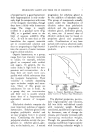
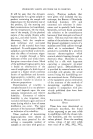
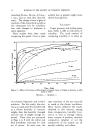
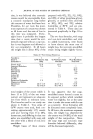
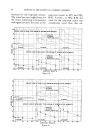
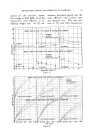
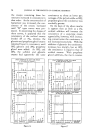
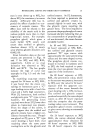
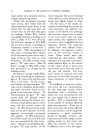
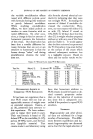
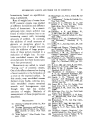
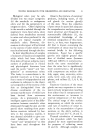
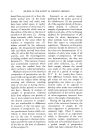
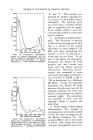
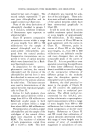
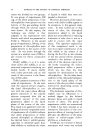
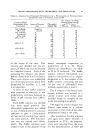
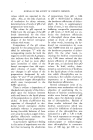
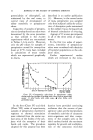
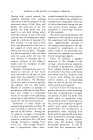
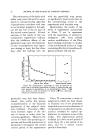
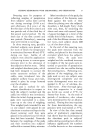
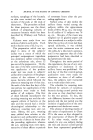
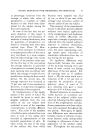
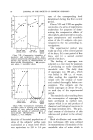
52 JOURNAL OF THE SOCIETY potentialities of chlorophyll• ad- ministered by the oral route, to control rates of development of either metabolic or perspiratory odors. Capacities of samples of perspira- tion to develop obnoxious odors were determined by the same procedure as that utilized in the in-vitro experiments which are summarized in Tables 3, 3-A, and 6. However, only the pO values for samples of perspiration stored for twenty-four hours at 37øC. have been included in calculations of mean results which are represented graphically in charts. OF COSMETIC CHEMISTS described in an earlier publication (5). However, in the second series of tests, perspiration was sampled only from subjects' axillas by utiliza- tion of absorption pads maintained in the axillary fossas during periods of thermal stimulation of sweating. A group of 15 women participated in all of the three series of experi- ments. In the first two series of experi- ments, intensities of perspiratory odors were correlated with densities of bacterial populations on the sub- jects' skins. Earlier experimental studies which are reviewed in the intro- ø11\ I I I I I I i •-2o•t ox z•. It \ 0 o• I[ O• •'o I% ", •' .AI • •0 •-•oo/• • I I • I t 2 5 4 7 8 9 DAYS OF WASHINGS WITH SOAPS I I I $ 4 5 6 DAYS OF SECOND CONTROL PERIOD Chart IV.--Comparative reductions in perspiratory odors during and after periods of bathing with either plain or germicidal soaps. O after baths with plain soap, ß after baths with germicidal soap. In the first (Chart IV) and third (Chart VII) series of experiments, samples of perspiration excreted in response to thermal stimulation were collected from the entire sur- face areas of the bodies of the sub- jects with the exception of their heads and necks. The procedure adopted for this purpose has been duction have provided convincing evidences that the sources of'per- spiratory odors are the end products of metabolic activities of cutaneous micro-organisms and that compo- nents of the complex soils on the skin's surface furnish the nutriment requisite for growth and multiplica- tion of the cutaneous microbial

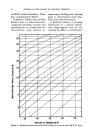
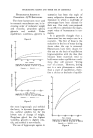
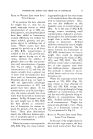
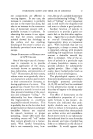
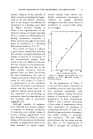
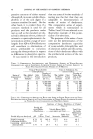
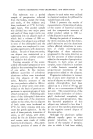
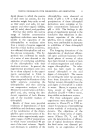
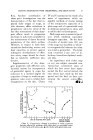
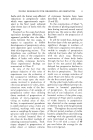
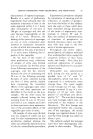
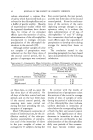
TESTING DEODORANTS WITH CHLOROPHYLL AND DERIVATIVES 53 flora. Another contribution of these prior investigations was the demonstration of the fact that re- peated daily usages of soaps, as skin cleansers, effect reductions in perspiratory odors by virtue of the fact that summations of their deter- gent effects result in progressive decreases in substrates available for the maintenance of dense bacterial populations of the skin's surface. However, in respect to both their immediate deodorizing actions and their capacities to protect against subsequent developments of offen- sive odors, soaps should be classi- fied as relatively ineffective deo- dorants. Supplementation of the deter- gent properties with effective anti- bacterial actions by incorporation of germicidal agents in soaps has enhanced to a marked degree the capacities of soaps to eradicate per- spiratory odors and to inhibit their resurgescence on the skin. Charts IV and V summarize the results of a series of experiments which ex- emplify methods of in-vivo testing of the comparative capacities of a plain soap and of a germicidal soap to eliminate perspiratory odors and to inhibit their re-development. Both soaps were commercial prod- ucts which exhibited equivalent detergent capacities. On the basis of results of in-vitro tests (21) one of the soaps was classified as "plain" or non-germicidal whereas the other was rated as germicidal. The latter soap contained 2 per cent of di- hydroxy hexachloro-diphenyl-meth- ane (22). An experiment with either soap on any one subject extended over twenty-four consecutive days of which the first seven days repre- sented the first control period, the next eleven days made up the test period and the final six days con- stituted the second control [pe- riod. I•/ L I' I I I I f I I I • o o // o_ .a -20 •-o O •- O • -80 -•oo I I I I I I I I I I 2 • 4 T 8 9 10 11 OAYS OF WASHINGS WITH SOAPS I i I I 0 •"0 I I I I 3 4 5 6 OAYS OF SECONO C ON TROt PERIO0 Chart V.--Comparative changes in numbers of viable cutaneous bacteria effected by washings with either plain or germicidal soaps. O after baths with plain soap, ß after baths with germicidal soap.
Purchased for the exclusive use of nofirst nolast (unknown)
From: SCC Media Library & Resource Center (library.scconline.org)