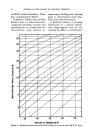
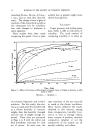
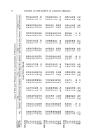
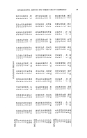
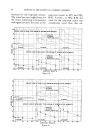
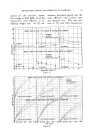
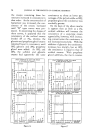
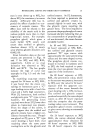
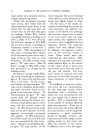
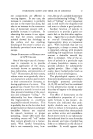
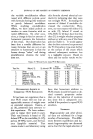
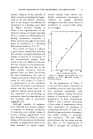
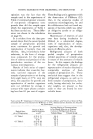
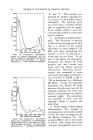
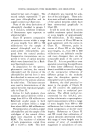
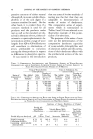
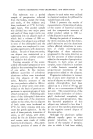
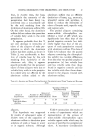
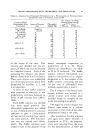
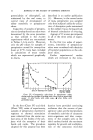
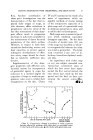
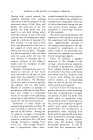
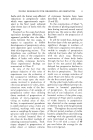
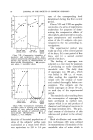
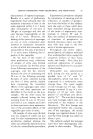
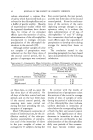
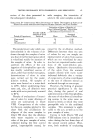
58 JOURNAL OF THE SOCIETY OF COSMETIC CHEMISTS surfaces, samplings of the bacteria on skin were carried out after re- movals of the pads at the ends of these tests. The procedure utilized for these purposes was the direct method of preparing cultures of cutaneous bacteria which has been described by Pillsbury and Nichols (26). Cultures were made oerom two sections of skin in each axilla. Each section had an area of 13.3 sq. cm. The preparation which was ap- plied to skins of the subjects' axillas was a cream of which the principal antiperspirant ingredient was aluminum sulfate constituting, as the anhydrous salt, about 12 per cent of the preparation. On the last day of the first control period, one application of the product under test was made to subjects' axillas after completion of the prepa- rations of the cultures of cuta- neous bacteria which followed the afternoon sweating test of that day. On each of the first five days of the test period, two applications of the preparation were made to both axillas of all subjects. The first of these followed immediately the morning sweating test and the sub- sequent culture of bacteria on the skin and the second had a similar chronological relationship to the afternoon sweating tests and cul- tures. Hence, the p.m. sweating tests yielded data relative to the deodorant and antibacterial actions at intervals ooe about six hours after the preceding application whereas the a.m. sweating tests were repre- sentative of these effects at periods of seventeen ]•ours after the pre- ceding application. Surface areas of skin within the axillary fossas varied among the subjects within the approximate limits of 60 to 84 sq. cm. the mean for all axillas of 15 subjects was 76 sq. cm. One gm. of the cream was weighed out on glassine paper and then transferred to a subject's axilla. After this portion of cream had been spread uniformly, it was rubbed over the entire cutaneous area of the axilla, by a laboratory assistant, until it was apparent that all of the preparation had been absorbed or had penetrated the skin. Throughout the entire period of the experiment, the use of any anti- perspirant or deodorant in the axillary fossas was prohibited. On each day of the first control period, qualitative tests were made for aluminum on skins of all axillas. Also, the subjects were instructed not to wash under their arms. .The schedule for sweating tests followed by cultures of cutaneous bacteria during control periods was the same as that described above for the test periods. In fact, the sole difference between the control periods and the test period was the omission of applications of the anti- perspirant and deodorant cream. The scheme of plotting results of this series of experiments in Chart VI is the same as that adopted in the construction of Charts IV and V. In other words, results ob- tained• for any one subject, during the test and second control period have been represented graphically

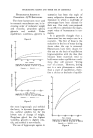
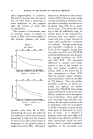
TESTING DEODORANTS WITH CHLOROPHYLL AND DERIVATIVES 59 as percentage variations from the average of either odor values of perspiration or numbers of viable bacteria on skin which were deter- mined for the subject during the first control periods. In view of the fact that the pri- mary objective of this report is the presentation and discussion of methods of testing deodorants, data for quantities of perspiration col- lected in sweating tests have been omitted from Chart VI. How- ever, a brief statement in reference to antiperspirant effect of the cream may contribute to a more compre- hensive understanding of the modes of action of the product under test. On the first day of the test period, the average reduction in quantities of perspiration excreted during one hour sweating tests was 60 per cent below the average of results of com- parable tests during the first control period. On the second day, the average reduction was increased to 75 per cent and it was sustained at the level, 4-5.1 per cent, throughout the remainder of the test period. In interpretations of the signifi- cances of the curves in Chart VI, it should be borne in mind that samples collected from the two axillas of any one subject were combined in tests of the capacities of perspiration to develop offensive odors. Also, sums of the numbers of viable bacteria cultured from two areas in each of two axillas were recorded as representative of the bacterial populations of skin. In other words, the sum of the areas of the axillary skin from which bacteria were sampled was 53.2 sq. cm., or about 35 per cent of the average total cutaneous surface of the two axillas of any one subject. The summary of the experimental results in the Chart presents definite evidence that topical applications of the antiperspirant and deodorant cream do inhibit effectively the capacities of samples of perspiration, collected from the treated axillas in response to thermal stimulation• to produce offensive odors. More- over, the curve representing aver- age results gives indications of cumulative reductions from day to day during the test period. No significant differences were demonstrable between the results of the morning sweating tests and those of tests carried out during afternoons of the test period. For all morning tests on 15 subjects (total = 90), the mean result was a reduction of 63 4- 9.5 per cent in capacities for production of per- spiratory odors. A total of 75 p.m. sweating tests gave a mean reduction of 65 q- 8.4 per cent. Marked reductions in numbers of viable bacteria on cutaneous sur- faces of the subjects' axillas were observed following the first applica- tions of the antiperspirant and deo- dorant preparation and these reduc- tions were sustained throughout the test period. Here again, no signifi- cant differences were demonstrable between results of cultures of cuta- neous bacteria made during either mornings or afternoons of days of application of the product under test. Throughout the test period,
Purchased for the exclusive use of nofirst nolast (unknown)
From: SCC Media Library & Resource Center (library.scconline.org)