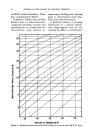
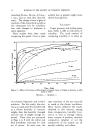
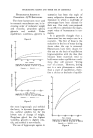
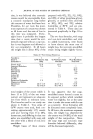
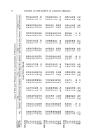
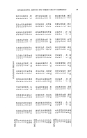
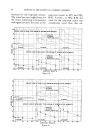
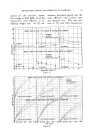
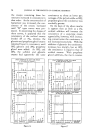
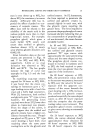
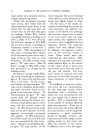
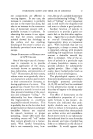
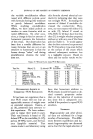
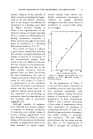
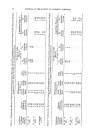
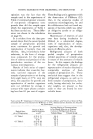
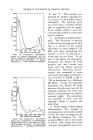
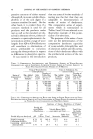
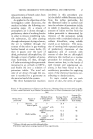
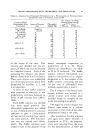
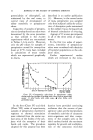
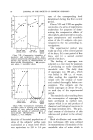
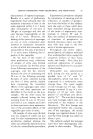
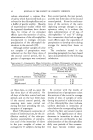
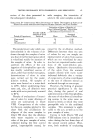
66 JOURNAL OF THE SOCIETY OF COSMETIC CHEMISTS are dependent upon the base-acid balances of the solutions of the sources of the odors. The chloro- phyllins exhibit deodorant actions only in neutral or alkaline solutions. The range of base-acid balances which are optimum for deodorant effects of the chlorophyllins are in- dicated by levels of pH between 8.0 and 10.5. Even weakly acid solu- tions (pH = 5.70) inhibit the de6- dorizing actions of these derivatives of chlorophyll. A hydrion concen- tration equivalent to pH = 5.30 is critical for the deodorant actions of the chlorophyllins. Progressive reductions in deodorant efficiencies concomitant with rising hydrion concentrations are attributable to decreasing solubilities of the chloro- phyllins in acid solutions. Com- plete precipitation of sodium-copper chlorophyllins "a" and "b" is ef- fected by increasing the a6idities of their aqueous solutions to pH = 4.50. Water-soluble chlorophyllins "a" and "b" added to malodorous sam- ples of perspiration effect prompt eradications of the perspiratory odors. At the same time, these chlorophyll derivatives exhibit an- tibacterial actions. In one series of tests (Table 3), 0.100 per cent of the chlorophyllins effected a reduction of more than 99 per cent in the num- bers of viable bacteria in stale per- spiration. In addition to their deo- dorizing actions, the chlorophyllins, added to fresh samples of perspira- tion, inhibit the development of perspiratory odors under condi- tions of storage which are optimum for the production of obnoxious odors. The series of experiments which have been cited in the preceding par- agraphs exemplify the types of prob- lems to which in-vitro methods of testing may be adapted and concern- ing which the intelligent utilization of these procedures may yield basic information of practical value, par- ticularly in the formulation of deodorant preparations. However, limitations of in-vitro techniques necessitate the adoption of in-vivo methods for purposes of either evalu- ating the deodorant efficiency of the final product or in comparative studies of two or more preparations on the market. Three series of experiments have been included in this report with the objective of directing attention to some of these limitations of in-vitro methods. The first of these series of experiments (Charts IV and V) is representative of one category of problems to which in-vitro methods are not adaptable as the sole means of acquiring information adequate for the critical judgment of deodor- ants. Within the limits of the au- thor's knowledge, no in-vitro method has been developed and, in extensive trials, has been found to be a satis- factory substitute for actual use- tests of soaps or other types of d•- tergents as skin cleansers. This conviction based upon experiences over periods of approximately two decades in experimental studies of skin cleansers, was the reason for the adoption of tub baths in the se- ries of comparative tests of the deo-

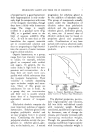
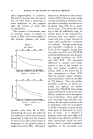
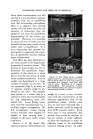
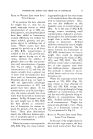
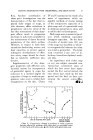
TESTING DEODORANTS WITH CHLOROPHYLL AND DERIVATIVES 67 dorant efficiencies of the plain soap and the germicidal soap which are summarized in Charts IV and V. In actual use, soaps function as skin deodorants in a dual manner: (a) by cleansing soils from the cu- taneous surfaces and (b) by degerm- ing the skin. Although, on the basis of results of in-vitro tests, plain soaps fail to meet the specifications of germicidal agents (30), daily appli- cations of their aqueous solution to skin do effect substantial reductions in bacterial populations of skin, as shown in Chart IV. These degerm- ing effects of plain soaps are attrib- utable largely to their detergent properties and, only to a minor ex- tent, to their adverse actions on cu- taneous micro6rganisms. However, the cleansing capacity of the plain soap, as used in tub baths, which was the resultant of its detergent and degerming actions on skin, was unequal to the task of eradicating promptly existing odors and, even after four days of baths, of inhibiting the production of ob- jectionable odors during storage of perspiration. The most cogent evidence of the enhancement of the deodorant ca- pacities of soap resulting from incor- poration of a germicidal agent in the formula may be obtained by com- parisons of the numbers of baths with either soap requisite for the es- tablishment of satisfactory protec- tion against the probability of putre- factlye reactions on skin giving rise to detectable malodorous end prod- ucts. As determined by the meth- ods utilized in the series of experi- ments of Charts IV and V, this re- suit is indicated by the fact that samples of perspiration during stor- age do not develop odors having in- tensities exceeding pO values = 2, which are equivalent to air-dilutions of•, (31). In the experiments with the plain soap, five subjects showed thii re- sult after eight consecutive daily baths four more subjects exhibited the same result at the end of a bath- ing period of ten days on the elev- enth day, three additional subjects acquired satisfactory protection against the d•velopment of perspir- atory odors. Three subjects failed to achieve this degree of inhibition of odor-producing reactions in sam- ples of their perspiration. On the other hand, in the experi- ments with the germicidal soaps, the number of subjects exhibiting satis- factory protection against the de- velopment of perspiratory odors during the consecutive days of bathing were: (1) on the second day, five subjects (2) on the third day, a total of 10 subjects, and (3) on the fourth day, a total of 15 subjects. No subject failed to acquire satis- factory protection against the proba- bility of production of offensive per- spiratory odors during the first four days of the bathing period. Satisfactory protection against the development of offensive perspir- atory odors, as defined above, rather than complete deodorization of per- spiration has been adopted as the ultimate esthetic objective of skin cleansers in view of the fact that even a complete removal of soil from
Purchased for the exclusive use of nofirst nolast (unknown)
From: SCC Media Library & Resource Center (library.scconline.org)