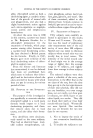
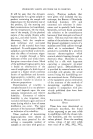
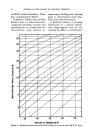
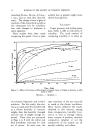
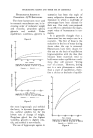
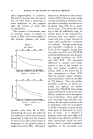
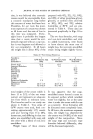
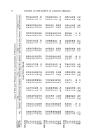
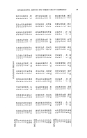
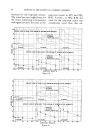
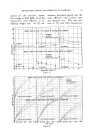
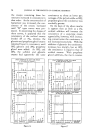
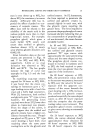
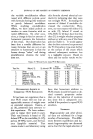
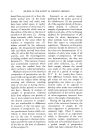
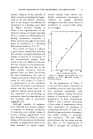
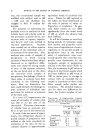
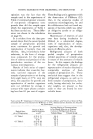
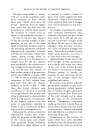
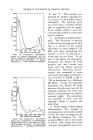
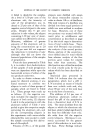
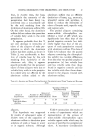
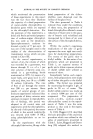
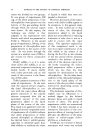
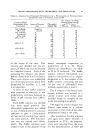
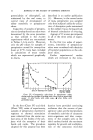
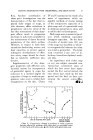
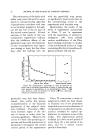
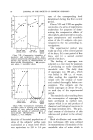
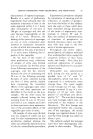
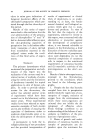
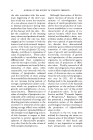
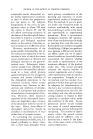
24 JOURNAL OF THE SOCIETY OF COSMETIC CHEMISTS the creams containing these hu- mectants increased in consistency in that order. As the concentration of humectant was increased, the con- sistency of the creams increased until "B" type curves were pro- duced. In examining the shapes of these curves, it appeared that the consistency of the sorbitol creams leveled off at 5%, whereas the glycerin and propylene glycol creams remained lower in consistency until 10% glycerin and 20% propylene glycol were added. At 10% and 20% the sorbitol and glycerin creams had apparently the same consistency as those at lower per- centages of the polyols while at 20% propylene glycol the consistency was markedly greater. On the basis of the above results it appears that as little as a 2% sorbitol addition will increase the consistency of a soap-type cream appreciably however, with increas- ing concentration the consistency is not increased excessively. With the addition of glycerin the consistency increases less sharply, but at 10% the consistency is equal to that of sorbitol creams. With propylene glycol additions, the rise in consist- CRUST FORMATION OF SOAP TYPE CREAM AT 30% RELATIVE HUMIDITY 2c I ,,vo •' 5 I0 2O •' 5 I0 2O 2 5 I0 20 PROPYLENE •Ot.•'OL SOEBITO• •/• GLYOERIN • GLyOOL CRUST FORMATION OF NON-IONIC TYPE CREAM AT 30% RELATIVE HUMIDITY 2C UNOXPOSED I0 • • • • r• rn n n 20 EXPOSED •,l HOUR5 • 15 oeXPOS• 4G HOUR • •0 NO 2 5 I0 20 2 5 I0 20 2 5 I0 20 PROP}•LENE ß EXGEECEO CAPACITY OF MACHINE Figure 16 CRUST FORMATION OF SOAP TYPE CREAM AT 50% RELATIVE HUMIDITY Iõ No 2 5 I0 20 2 5 I0 20 2 5 I0 •RUST FORMATION OF NON-IONIC TYPE CREAM AT 50% RELATIVE HUMIDITY 2c I UNOXPOSED 15 • 15 EXPOSED 24 HOURS • ,o • 15 ExPo•O • •OUR• •0 0 •OLYOL SORBI•OL • GLYGERI• • GLYCOL • -,• EXCEEDED CAPACITY OF MACHINE Figure 17

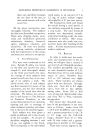
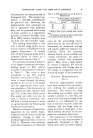
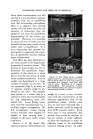
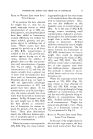
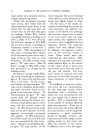
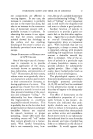
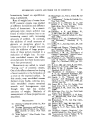
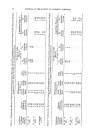
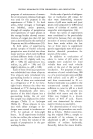
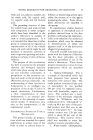
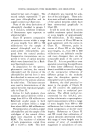
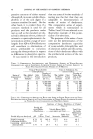
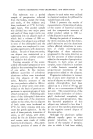
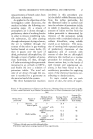
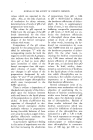
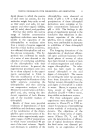
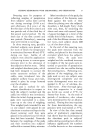
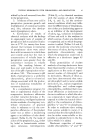
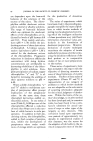
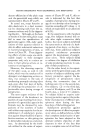
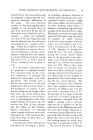
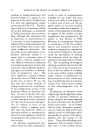
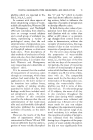
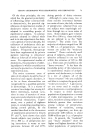
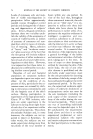
HYGROSCOPIC AGENTS AND THEIR USE IN COSMETICS 25 ency is even slower up to 10%, but above 10% the consistency increases sharply. deNavarre (22) has re- ported the effect of polyol on con- sistency of cosmetic creams. This effect may well be related to the solubility of the stearic acid in the various polyols more than to their hygroscopic nature. For example: propylene glycol, which gives a much harder O/W stearic acid cream than sorbitol or glycerin, dissolves almost 1.1% of stearic acid, whereas glycerin dissolves only 0.04% (4). Crust formation data on the test creams are presented in Figs. 16 and 17 for 30% and 50% R.H., respectively. Little or no crust formation was observed at 70% R.H. and 80øF. The bar graphs indicate the type of curve (see examples in Fig. 15) and the load applied. In examining soap-type creams exposed for 24 hours at 50% R.H., it was found that the cream con- taining no humectant gave a "C" type loading curve with a hard thin crust and a fairly high consistency. With 2% humectant, both sorbitol and glycerin gave "C" type curves however, the penetrating forces required were about 25% lower than where no humectant was present. From the shape of the curves, it would appear that the sorbitol and glycerin creams have a higher con- sistency beneath the crust. Propyl- ene glycol at 2% gave a "D" type curve showing a hard thick crust requiring about the same pene- trating force as for the glycerin and sorbitol creams. At 5% humectant, the force required to penetrate the sorbitol and glycerin creams in- creased slightly in each case, with the glycerin cream requiring the greater force. The force required to penetrate the propylene glycol cream increased sharply indicating that, as the concentration of propylene gly- col was increased, the cream became decidedly harder. At 10 and 20% humectant on 24 hours' exposure at 50% R.H., the sorbitol and glycerin creams produced "D" type curves with approximately the same penetrating values and the same shaped curves. The propylene glycol creams con- tinued to increase in hardness until at 20% the load required to pene- trate the crust was greater than the capacity of the instrument. On 48 hours' exposure at $0% R.H., the penetration value, where no humectant was present, increased by 28% over the value for 24 hours' exposure with the apparent con- sistency of the cream beneath the crust showing only a 10% increase. The sorbitol and glycerin creams produced essentially the same shaped curves as after 24 hours' exposure with the exception that the pene- trating values were increased. The propylene glycol creams continued to give curves showing an extremely hard crust. On 24 hours' exposure at 30% R.H., the curves obtained closely approximated those obtained for 48 hours' exposure at 50% R.H. On 48 hours' exposure the same
Purchased for the exclusive use of nofirst nolast (unknown)
From: SCC Media Library & Resource Center (library.scconline.org)