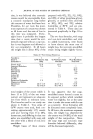
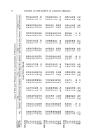
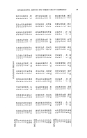
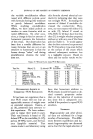
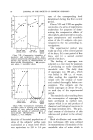
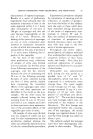
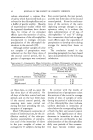
36 JOURNAL OF THE SOCIETY OF COSMETIC CHEMISTS tion, the concentrated sample was acidified with sulfuric acid to pH = 2.00 and the distillate was trapped in 0.01 N sodium hy- droxide. For purposes of estimating the probable errors in analyses for both volatile bases and volatile acids by the procedure outlined above, am- monium salts of caproic, caprylic, and burytic acid were utilized in recovery experiments. Analyses were carried out on either aqueous solutions of the individual salts or of mixtures of the three salts. Also, analyses were made of samples of perspiration to which varying amounts of the salts had been added. Inasmuch as no significant differ- ences were observed among results of tests of the aqueous solutions, on the one hand, and, on the other, the recoveries from samples of perspiration, the findings of both of these series of analyses have been combined in the following sum- mary. Also, no distinction has been made between the findings for pure solutions of individual salts and those for solutions of mixtures of the three salts. In a total of 13 experiments, the mean of recoveries of volatile acids was 102 4- 3.3 per cent of the theoretical. Themean of recoveries of volatile base as ammonia was 92 4- 3.5 per cent of the theoretical. In each of the two series of experi- ments, the refrigerated aliquots of pooled samples of perspiration were utilized as the basic standards for evaluation of the data for the in- cubated aliquots of approximately equivalent levels of acid-base bal- ances. Values for pH reported in the tables are those determined at the ends of periods of either re- frigeration or incubation. In gen- eral, the•se results do not differ significantly from the initial levels of pH at which the aliquots had been buffered. It will be of interest to note that, during periods of incubation under both aerobic and anaerobic condi- tions, rates of reproduction of micro- organisms in the pooled sample of perspiration used in the second series of experiments were enor- mously greater than were the com- parable rates determined for the composite sample of perspiration utilized in the first series (Table 1). Also, the increments in pO values of aliquots of the former sample which had been buffered at pH levels of 7.00 or above prior to storage in contact with air exceeded the in- creases in intensities of odors of the latter sample under similar test conditions. The probable explana- tion for these two differences be- tween the pooled samples of per- TABULATION A--COMPARATIVE CONCEN- TRATIONS OF NITROGENOUS COMPOUNDS IN POOLED SAMPLES OF PERSPIRATION BEFORE INCUBATION Constituent Concentration as Mg. per 100 c.c. In Sample In Sample of Table of Table 1 2 Total N 71.4 98.9 Non-protein N 59.1 78.6 Urea N 40.5 54.4 Ammonia N 4.2 5.6 Amino N 0.6 4.0

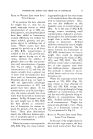
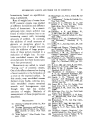
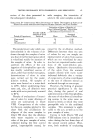
TESTING DEODORANTS WITH CHLOROPHYLL AND DERIVATIVES 37 spiration was the fact that the sample used in the experiments of Table 2 contained greater amounts of non-protein nitrogenous com- pounds than did the sample upon which the experiments of Table 1 had been carried out. These differ- ences are shown in the tabulation on page 36. It is evident from the data pre- sented above that the second pooled sample of perspiration provided more nutriment for growth and reproduction of bacteria than did the first. Also, it furnished a richer substrate, in the form of nitroge- nous compounds for the produc- tion of odorous end products of the putrefactive reactions of the cu- taneous micro6rganisms. Results of both series of experi- ments indicate that anaerobic bac- teria survived exposure of the samples of perspiration to air during forty-eight hours at 37øC. and, vice versa, the capacities for growth and reproduction of aerobic organisms were not inhibited by storage in contact with vapor phases contain- ing less than 0.1 per cent of oxygen. These findings are in agreement with the observation of Pillsbury (15) that, in the extensive studies of cutaneous microiSrganisms, he and his collaborators had not found any species of bacteria which was either an obligative aerobe or an obliga- tire anaerobe. Maintenance of reserves of acid over base during incubation in- hibited, to a substantial degree, rates of reproduction of micro- organisms and, also, the develop- ments of offensive odors. Refrigerated aliquots of both pooled samples of perspiration yielded quantities of volatile acids in excess of the amounts of volatile bases. In this respect, the findings for the refrigerated aliquots are representative of results obtained in comparable analyses of fresh samples of perspiration (5). These analytical data suggest that in the refrigerated aliquots, as well as in fresh samples of perspiration, fatty acids, having relatively low molec- ular weights, are present as free acids or they are bound by non- volatile bases. TABULATION B--COMPARATIVE INCREASES IN VOLATILE BASES AND VOLATILE ACIDS OF PER- SPIRATION DURING INCUBATION FOR 48 HouRs A•r 37øC. UNDER ErrHER AEROBIC OR ANAErO- BIC CONDITIONS Range of Reac- Pooled Sam- ticns of Aliquots ple of Perspiration as pH Average Ratios of Concentrations in Incubated Aliquots to Concen- trations in Refrigerated Aliquots Volatile Bases Volatile Acids Of Table 1 Of Table 2 4.32-4.76 40,0 1 ß 80 7,16-7.21 102.5 2.46 8.45 80.0 2.76 4.19-4.98 13.5 1.27 7.34-7.37 32.5 2.97 7.97-7.99 38.5 2.14
Purchased for the exclusive use of nofirst nolast (unknown)
From: SCC Media Library & Resource Center (library.scconline.org)